How to Use Tactical Gear for Law Enforcement
Tactical gear is an essential aspect of modern law enforcement operations, providing officers with the tools and protection necessary to perform their duties effectively and safely. From body armor to communication devices, tactical equipment enhances situational awareness, operational efficiency, and officer survivability. Understanding how to properly use tactical gear is critical for law enforcement professionals who face dynamic and high-risk environments daily.
This article explores the key elements of tactical gear used in law enforcement, practical applications, best practices, and case studies demonstrating the importance of proper equipment usage. Whether you are a new recruit or a seasoned officer looking to update your knowledge, this comprehensive guide will provide valuable insights into maximizing tactical gear for law enforcement purposes.
The Importance of Tactical Gear in Modern Law Enforcement
In today’s complex policing environment, tactical gear serves multiple purposes beyond basic protection. It enables officers to respond quickly and effectively to various scenarios such as active shooter incidents, hostage rescues, crowd control, and high-risk arrests.
According to the National Law Enforcement Officers Memorial Fund (NLEOMF), approximately 60% of law enforcement fatalities occur during violent encounters where protective gear could make a significant difference. Tactical gear mitigates these risks by providing:
- Enhanced Protection: Body armor and helmets reduce injuries from ballistic threats and blunt force trauma.
- Improved Mobility: Lightweight materials allow officers to move swiftly without being hindered by cumbersome equipment.
- Operational Efficiency: Integrated communication systems improve coordination during critical incidents.
- Increased Officer Confidence: Knowing they are well-equipped reduces stress and improves decision-making under pressure.
The evolution of tactical gear reflects lessons learned from past conflicts and field operations worldwide. Agencies continually adapt their equipment based on emerging threats and technological advancements.
Essential Components of Tactical Gear for Law Enforcement
Tactical gear encompasses a wide range of equipment tailored to different mission requirements. Below are some of the core components commonly used by law enforcement officers:
1. Body Armor
The cornerstone of tactical protection is body armor, typically consisting of ballistic vests that shield vital organs from gunfire and shrapnel. The National Institute of Justice (NIJ) classifies body armor into levels based on the type of threats it can withstand:
- Level II-A & II: Protection against most handgun rounds (e.g., 9mm, .40 S&W).
- Level III-A: Stops higher velocity handgun rounds including .44 Magnum.
- Level III & IV: Provides rifle protection against high-powered rounds such as 5.56mm and .30-06 armor-piercing bullets.
Choosing the appropriate level depends on the operational context; patrol officers may use Level II or III-A vests, while SWAT teams often require Level III or IV plates for rifle protection.
2. Helmets
Tactical helmets protect against ballistic threats, blunt force trauma, and fragmentation. Modern helmets feature modular designs allowing attachments like night vision goggles (NVGs), cameras, or communication headsets. The Advanced Combat Helmet (ACH) model is popular among tactical units due to its balance between protection and weight.
3. Load-Bearing Equipment (LBE)
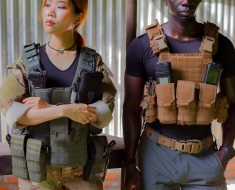
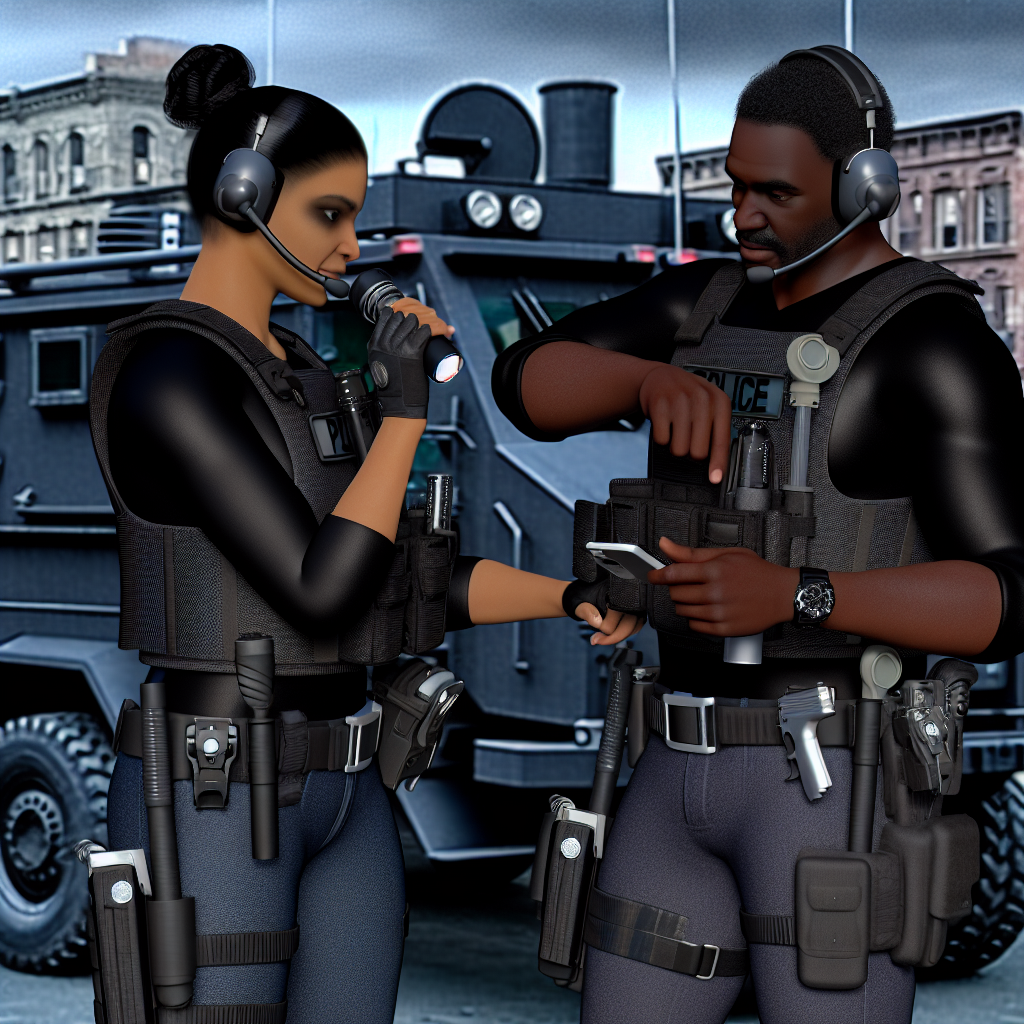
LBE includes vests or belts designed to carry essential tools such as ammunition magazines, flashlights, handcuffs, medical kits, radios, and less-lethal weapons. Proper organization ensures quick access during critical moments.
4. Communication Devices
Reliable communication is vital during coordinated operations. Tactical radios with encrypted channels allow discreet information exchange among team members. Some systems integrate GPS tracking for real-time location awareness.
5. Specialized Tools
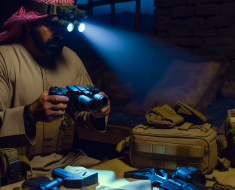
This category includes breaching tools (e.g., battering rams), ballistic shields for cover during entries, tactical gloves for hand protection without sacrificing dexterity, and infrared/thermal imaging devices for low-visibility conditions.
Best Practices for Using Tactical Gear Effectively
Mere possession of tactical gear does not guarantee safety or success; proper training and maintenance are equally important. Below are some best practices that law enforcement agencies should implement:
Regular Training and Drills
Tactical proficiency requires continuous practice under realistic conditions. Training should focus on:
- Donning/Doffing Gear Efficiently: Officers must be able to quickly equip or remove items as situations evolve.
- Tactical Movement: Maneuvering with full gear during foot pursuits or building entries without compromising balance or speed.
- Shooting Accuracy: Maintaining marksmanship skills while wearing body armor and carrying weapons.
- Crisis Scenario Simulations: Role-playing active shooter or hostage rescue scenarios enhances decision-making under stress.
Adequate Fit and Comfort
Poorly fitted gear can impair mobility and cause fatigue or injury over extended periods. Agencies should ensure:
- Sizing options that accommodate diverse body types within the force.
- Padded straps and adjustable components for ergonomic comfort.
-
Sizing options that accommodate diverse body types within the force are essential for ensuring optimal performance.
By prioritizing proper training and gear fit, law enforcement officers can enhance their effectiveness in the field.