How to Use Tactical Training for Confidence Building
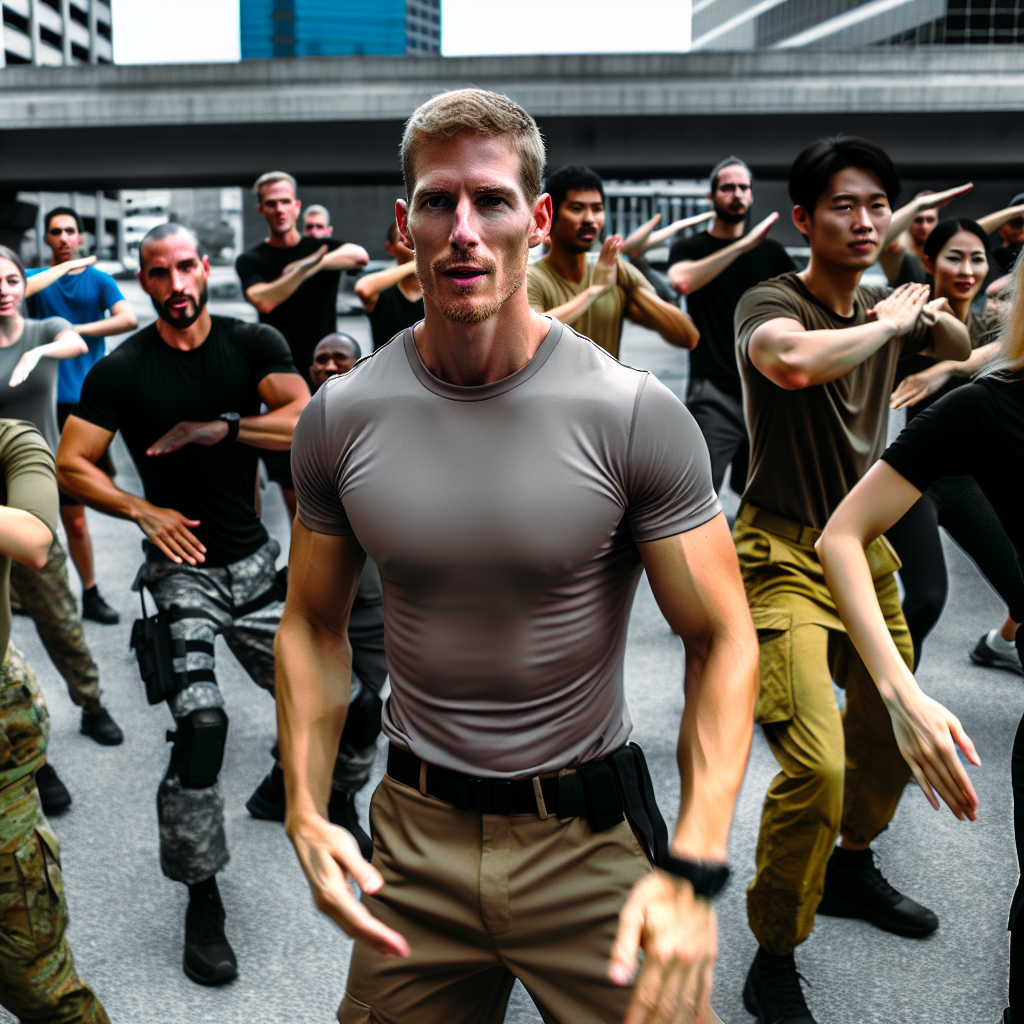
Confidence is a critical component of success in many areas of life, from professional settings to personal relationships. While some people seem naturally confident, confidence can also be cultivated and strengthened through deliberate practices. One powerful but often overlooked method is tactical training—a discipline typically associated with military, law enforcement, or self-defense professionals. However, beyond its physical and strategic benefits, tactical training offers profound psychological advantages that can significantly boost self-confidence.
In this article, we will explore how tactical training can be used as an effective tool for confidence building. We’ll examine the core elements of tactical training that contribute to mental resilience and self-assurance, supported by research, case studies, and practical advice on how anyone can leverage these techniques to become more confident.
Understanding Tactical Training: More Than Just Physical Skills
Tactical training encompasses a variety of disciplines designed to prepare individuals for high-pressure situations that require quick thinking, precision, and control. Traditionally linked with military and law enforcement sectors, tactical training includes skills such as situational awareness, stress management, decision-making under duress, and physical conditioning.
While the physical aspects are evident—learning defensive maneuvers or firearms handling—the mental conditioning involved is equally important. Tactical training builds:
- Situational Awareness: The ability to assess your environment quickly and accurately.
- Stress Management: Techniques to maintain calmness under pressure.
- Decision-Making Skills: Making rapid yet sound decisions during critical moments.
- Self-Discipline: Cultivating habits that foster consistency and control.
These mental skills translate directly into improved confidence because they train you to trust your instincts and capabilities even in challenging circumstances.
The Psychological Benefits of Tactical Training for Confidence
Tactical training impacts the brain and psychological state in several ways that are conducive to confidence building. Here’s how:
- Mastery Through Repetition: Repeated drills reinforce competence. When you repeatedly practice a skill until it becomes second nature, your brain builds neural pathways that enhance both performance and self-belief.
- Overcoming Fear: Tactical exercises often simulate stressful or threatening scenarios in a controlled environment. Facing these scenarios reduces fear responses over time—a phenomenon known as desensitization—leading to greater courage in real-life situations.
- Empowerment Through Control: Tactical training teaches individuals to take control of their actions and surroundings rather than feeling helpless or reactive. This sense of empowerment is fundamental for developing confidence.
- Mental Toughness: Exposure to physically demanding and mentally challenging tasks strengthens resilience—an essential trait for maintaining confidence when facing adversity.
A study published by the Journal of Applied Sport Psychology in 2019 found that participants engaged in tactical-style high-intensity interval training reported a significant increase in self-efficacy—the belief in one’s ability to succeed—after just eight weeks of consistent practice.
How Tactical Training Builds Confidence: Practical Examples
The following real-world examples illustrate how tactical training contributes directly to confidence building across different demographics:
- Military Personnel: Soldiers undergo rigorous tactical drills that prepare them for combat scenarios. This intense preparation not only improves their technical abilities but also fosters immense confidence in their capacity to handle threats effectively. For instance, Navy SEAL trainees undergo extreme stress inoculation exercises designed specifically to build mental fortitude alongside physical endurance.
- Civilians Learning Self-Defense: Many civilians take up martial arts or self-defense classes with tactical components such as situational awareness and threat assessment. As they progress from beginner levels where they feel vulnerable to advanced stages where they can confidently protect themselves, their overall self-esteem increases dramatically. A survey conducted by the National Self-Defense Association showed that 78% of respondents reported feeling more confident after six months of consistent self-defense training.
- Law Enforcement Officers: Police officers regularly train tactically not only for proficiency but also to reduce anxiety during unpredictable encounters. This preparation translates into higher confidence levels when performing duties such as crowd control or suspect apprehension under pressure.
- Crisis Management Professionals: Firefighters and emergency responders use tactical drills that simulate emergencies. These simulations increase their preparedness and boost their belief in their ability to manage crises effectively without panic or hesitation.
Tactical Training Techniques That Enhance Confidence
If you’re interested in using tactical training as a tool for confidence building, here are some key techniques and practices you can incorporate into your routine regardless of your background or experience level:
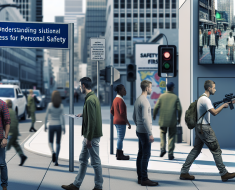
- Situational Awareness Drills: Practice observing your surroundings intentionally—note exits, potential hazards, people’s behavior patterns—to sharpen your perception skills. Improved situational awareness reduces uncertainty which naturally boosts confidence.
- Stress Inoculation Training (SIT): Gradually exposing yourself to stressors in a controlled manner helps build tolerance to anxiety-inducing situations. For example:
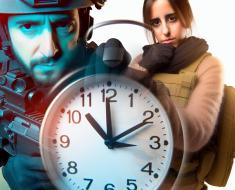
- Mental rehearsal under time pressure
- Shooting drills with distractions (noise or movement)
- Cognitive tasks combined with physical exertion
These
exercises help you develop the ability to stay focused and composed in high-pressure scenarios, ultimately enhancing your confidence in real-life situations.
Incorporating these techniques into your routine can lead to significant improvements in both your confidence and crisis management skills.