How to Use a Tactical Belt for Carrying Gear
Tactical belts have become an essential tool for military personnel, law enforcement officers, outdoor enthusiasts, and everyday carriers who require reliable and accessible gear storage. Unlike traditional belts, tactical belts are designed to support heavy loads, provide quick access to equipment, and enhance overall comfort during extended wear. But how exactly should one use a tactical belt effectively? This comprehensive guide explores the fundamentals of using a tactical belt for carrying gear, offering practical tips, examples, and insights to maximize its potential.
Understanding Tactical Belts: What Sets Them Apart
Before diving into the practicalities of using a tactical belt, it’s important to understand what makes these belts unique. Tactical belts differ significantly from conventional belts in terms of design, materials, and purpose.
- Material Strength: Tactical belts are typically made from durable materials such as nylon webbing or reinforced leather. These materials can handle significant weight without stretching or breaking.
- Load-Bearing Capacity: Unlike fashion belts, tactical belts are engineered to carry heavy equipment like holsters, pouches, magazines, radios, flashlights, and more.
- Stiffness and Rigidity: Many tactical belts feature stiff cores or internal frames that prevent sagging under load. This rigidity helps distribute weight evenly around the waist.
- Attachment Systems: Tactical belts often incorporate MOLLE (Modular Lightweight Load-carrying Equipment) compatibility or other attachment points to secure various gear efficiently.
- Adjustability: High-quality tactical belts offer easy adjustment mechanisms for a secure fit and quick donning/doffing.
The combination of these features makes tactical belts highly functional tools that improve operational efficiency and wearer comfort in demanding scenarios.
Selecting the Right Tactical Belt for Your Needs
The first step in effectively using a tactical belt is choosing the right one tailored to your specific requirements. Considerations include the intended use case, type of gear you need to carry, and comfort preferences.
- Purpose: Are you in law enforcement needing quick access to a firearm? Or an outdoor adventurer wanting space for survival tools? The belt should match your mission profile.
- Belt Width and Thickness: Wider belts (1.5–2 inches) generally provide better support but may be less comfortable under certain clothing. Thicker belts offer increased durability but can add bulk.
- Buckle Type: Metal buckles provide strength but may be heavier; polymer buckles offer lighter weight with sufficient durability for many users.
- MOLLE Compatibility: If you plan on attaching pouches or accessories with MOLLE webbing, ensure the belt supports this system or has compatible loops.
- Adjustability Range: Look for belts with fine adjustment capabilities to accommodate layering clothing or changes in waist size during prolonged activities.
A study conducted by the U.S. Army Natick Soldier Research Center found that soldiers equipped with properly fitted tactical belts experienced significantly less fatigue during extended missions due to better weight distribution (Natick Tech Report #2007-01). This highlights the importance of selecting an appropriate belt upfront rather than compromising on comfort or functionality later on.
How to Properly Wear a Tactical Belt
The effectiveness of a tactical belt depends heavily on how it is worn. An improperly worn belt can lead to discomfort, restricted movement, or even loss of critical gear during action. Follow these guidelines for optimal wear:
- Sizing: The belt should fit snugly around your waist or hips without excessive tightness that restricts breathing or movement. Most tactical belts come with adjustable sizing—utilize this feature fully.
- Belt Positioning: For most users carrying heavy gear such as holsters or magazine pouches, wearing the belt just above the hips provides stability and prevents sagging. However, some may prefer waist-level placement depending on body shape and task requirements.
- Buckle Orientation: Position the buckle so it does not interfere with your dominant hand movements or equipment draw angles. For instance, law enforcement officers often place buckles centered at the front for easy access control but some prefer offset buckles for holster clearance.
- Liner Use: Many tactical users employ inner “battle belts” worn beneath outer pants which integrate with outer duty rigs—this layered approach reduces pressure points while enhancing modularity.
An example from SWAT team training manuals emphasizes that consistent practice wearing a fully loaded tactical belt helps build muscle memory necessary for rapid gear retrieval under stress (SWAT Magazine Issue #128).
Organizing Gear on Your Tactical Belt
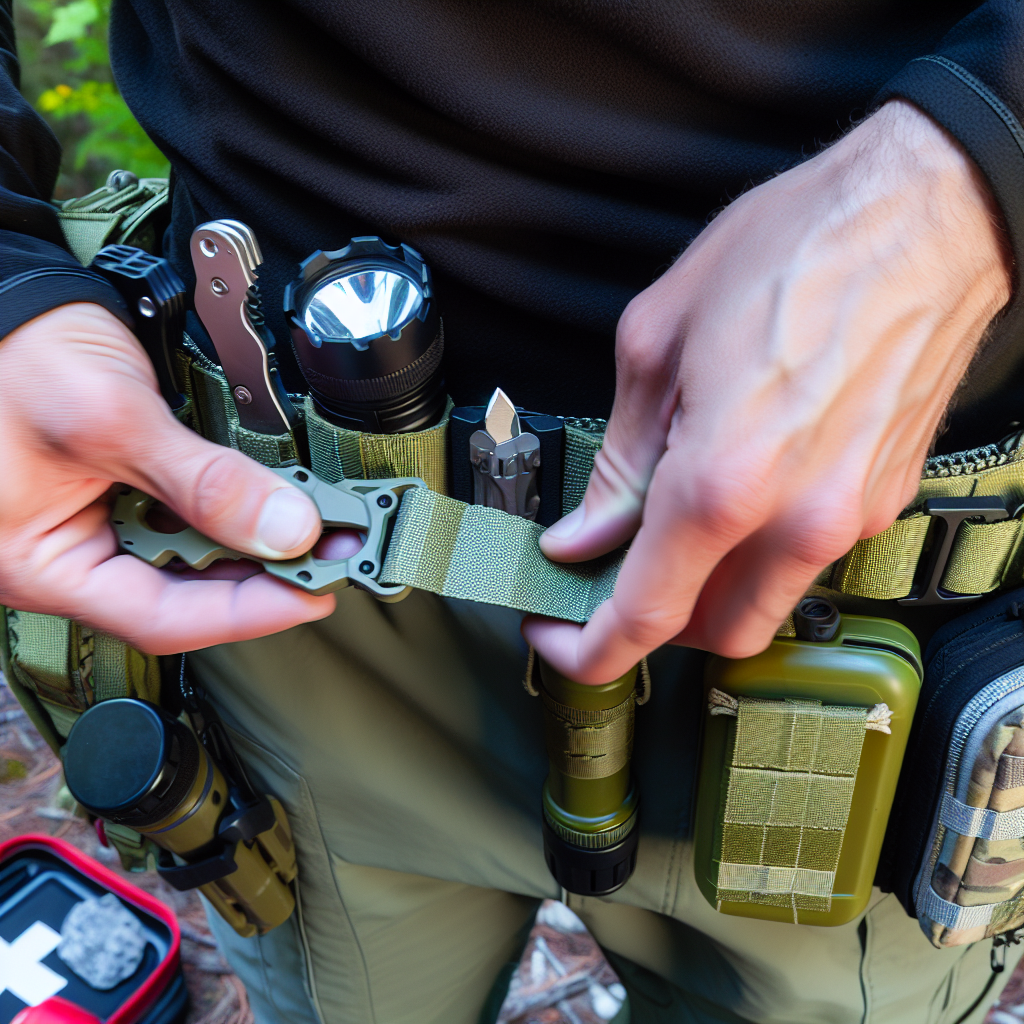
The core purpose of a tactical belt is to serve as an efficient platform for carrying essential gear safely and accessibly. Strategic organization is key to avoid clutter and ensure rapid deployment when needed.
- Create Zones Based on Priority:
Categorize items by frequency of use: place high-priority items like handcuffs or firearms within immediate reach (dominant side), secondary items like multi-tools or flashlights just behind them, and less urgent tools further back or opposite side.
This ergonomic layout minimizes time spent searching for equipment during critical situations, allowing for quicker responses. Remember, a well-organized tactical belt can significantly enhance your efficiency in the field.