How to Use Tactical Flashlights to Disorient Attackers
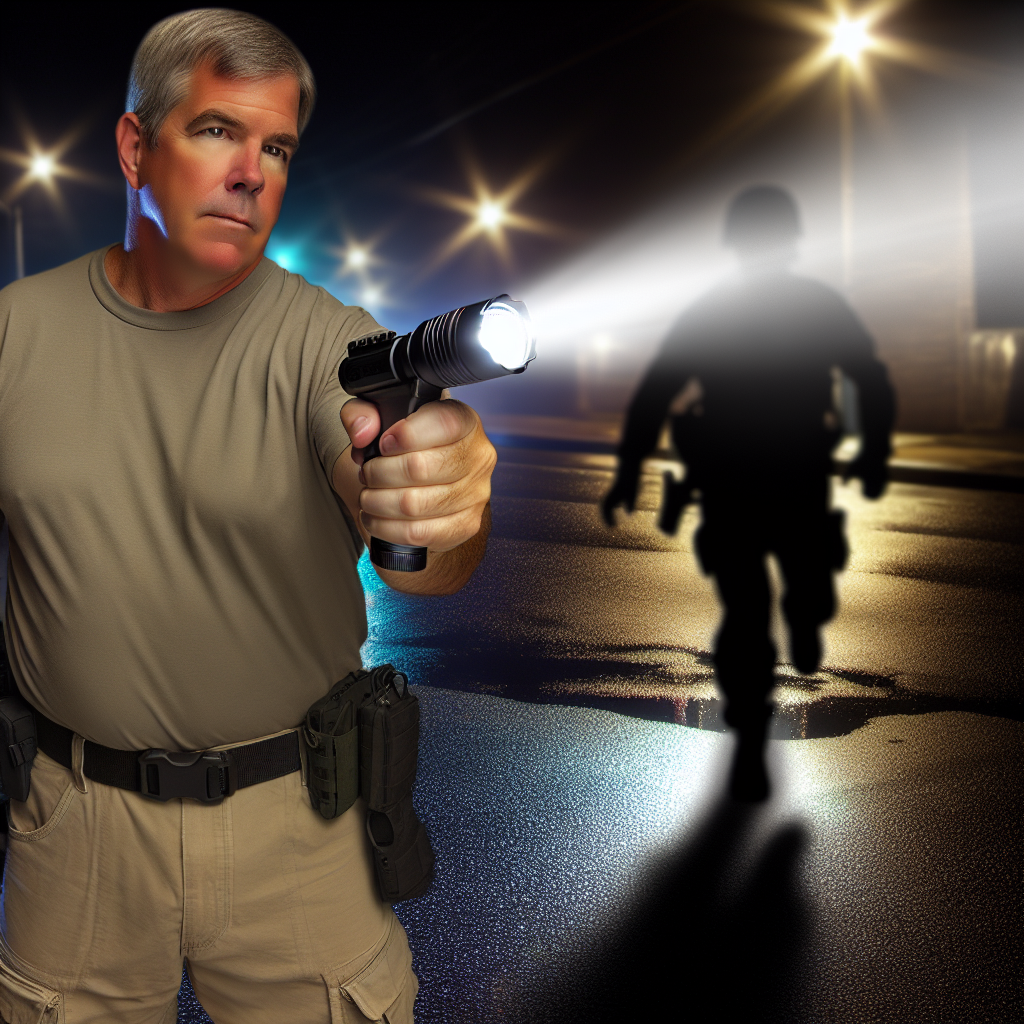
In today’s unpredictable world, personal safety is a priority for many individuals. One often overlooked yet highly effective tool for self-defense is the tactical flashlight. Beyond simply illuminating dark areas, tactical flashlights can be used strategically to disorient and incapacitate attackers, providing critical seconds to escape or gain control of a threatening situation. This article explores how to effectively use tactical flashlights as a defensive weapon, supported by research, expert advice, and real-world examples.
Understanding Tactical Flashlights: More Than Just Light
Tactical flashlights differ significantly from regular household or camping flashlights. Designed with durability, brightness, and user control in mind, these tools are built to withstand harsh conditions and deliver intense illumination when needed most.
- Brightness: Tactical flashlights typically produce between 300 to over 1000 lumens of light, much brighter than standard flashlights.
- Beam Focus: They offer adjustable beams that can be focused into a tight spot or widened for area illumination.
- Durability: Often constructed from aircraft-grade aluminum with shock resistance and waterproofing features.
- Ergonomics: Designed for easy one-handed operation with features like tail switches and textured grips.
The combination of brightness and design allows tactical flashlights to serve as both an illumination device and a non-lethal defensive tool. The intensity of the light can temporarily blind or confuse an attacker, giving the defender an advantage in close quarters.
The Science Behind Disorientation: How Bright Light Affects Human Vision
When a sudden bright light hits the eyes, it triggers several physiological responses that can disorient a person. Understanding these effects is crucial for effectively using a tactical flashlight in self-defense scenarios.
- Pupil Constriction and Dilation: Exposure to intense light causes the pupils to constrict rapidly. When the light source is removed or moved away, the pupils dilate slowly. This process temporarily reduces visual acuity and depth perception.
- Afterimages: Bright flashes create afterimages—visual spots or streaks—that linger even after looking away from the light source. These can confuse attackers during critical moments.
- Sensory Overload: Sudden brightness stimulates photoreceptors intensely, causing discomfort and distraction, which impairs focus on other stimuli.
A study published in the Journal of Forensic Sciences highlights that temporary blindness induced by bright lights can last from one second up to several seconds depending on the intensity and duration of exposure. This window can be pivotal in self-defense situations where reaction time is vital.
Techniques for Using Tactical Flashlights to Disorient Attackers
Simply shining a flashlight at an attacker is not enough; proper techniques maximize its effectiveness as a defensive tool. Here are some tried-and-true methods recommended by security professionals and law enforcement trainers:
Aim for the Eyes
The primary target when using a tactical flashlight defensively should be the attacker’s eyes. A direct beam into the eyes creates instant glare and confusion.
- Tip: Use short bursts of light rather than continuous beams to maximize disorientation without draining battery life quickly.
- Caution: Avoid prolonged shining which may allow attackers time to adjust or shield their eyes.
Use Strobe Features if Available
Many modern tactical flashlights come with strobe modes—rapidly flashing lights—that are particularly effective at disrupting vision and balance.
- The strobe effect mimics disorienting lights used in law enforcement crowd control tactics.
- This feature can create confusion and dizziness in attackers due to sensory overload.
Maneuver While Illuminating
Maneuvering your flashlight while simultaneously moving yourself creates dynamic visual confusion for attackers trying to focus on you.
- Kinetic movement combined with flashing light makes it harder for an attacker to target vital areas accurately.
- This tactic also buys you time to reposition or escape while the attacker struggles with impaired vision.
Combine Flashlight Use with Verbal Commands and Other Defensive Actions
A tactical flashlight should not be your only line of defense but part of a broader strategy that includes verbal deterrence and physical defense tactics if necessary.
- Loudly command your attacker (e.g., “Stop!” or “Back off!”) while shining the flashlight into their eyes—this combination increases psychological intimidation.
- If trained, use your free hand for defensive strikes or prepare other tools like pepper spray while maintaining visual disruption with your flashlight.
Case Studies: Real-World Applications of Tactical Flashlight Defense
The effectiveness of tactical flashlights in self-defense has been documented through various incidents involving law enforcement officers as well as civilians. Here are some notable examples:
Law Enforcement Success Stories
A study conducted by the International Association of Chiefs of Police found that officers equipped with high-lumen tactical flashlights reported increased confidence during night encounters.
In one documented case from Texas, an officer used a strobe-enabled flashlight to disorient a suspect during a nighttime pursuit, allowing for a successful apprehension without physical confrontation.
Utilizing tactical flashlights effectively can enhance personal safety and empower individuals to handle threatening situations with greater confidence.