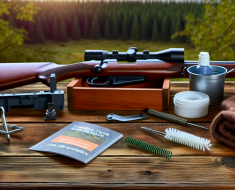
How to Clean Guns After Long-Term Storage
Proper maintenance of firearms is essential for ensuring their longevity, reliability, and safety. One of the most critical times to perform thorough cleaning and inspection is after long-term storage. Whether you are a seasoned gun owner or a novice, understanding how to clean guns after extended periods of inactivity is vital. This article explores the best practices, tools, and techniques for restoring firearms that have been stored away for months or even years.
Understanding the Impact of Long-Term Storage on Firearms
Firearms are mechanical devices composed of various metals and materials that can deteriorate if not stored properly. Over time, environmental factors such as humidity, temperature fluctuations, and exposure to dust or debris can cause rust, corrosion, and buildup of residues inside the gun. These issues can impair performance and increase the risk of malfunctions when you eventually use your firearm.
According to a 2019 study published in the Journal of Forensic Sciences, improper storage conditions were linked to increased corrosion rates on steel components of firearms after just six months. This highlights why routine inspections and cleaning after long storage periods are indispensable.
- Rust Formation: Moisture trapped inside or outside the gun can lead to oxidation.
- Dirt and Dust Accumulation: Particles can clog mechanisms affecting smooth operation.
- Lubricant Degradation: Old oils can become sticky or gummy rather than protective.
Ignoring these factors can result in decreased accuracy, jamming issues, or even dangerous failures during firing.
Preparing for Cleaning: What You Need Before You Begin
Before diving into cleaning your firearm after long-term storage, preparation is key. Having the right tools and workspace ensures an efficient process without causing damage.
Essential Cleaning Supplies
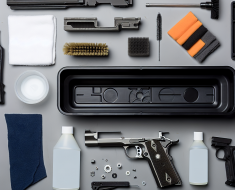
- Bore Cleaner/Solvent: Specialized chemical solutions designed to break down powder residue and copper fouling.
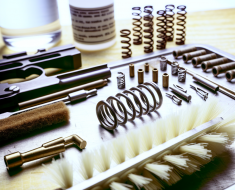
- Bore Brushes: Nylon or brass brushes sized appropriately for your barrel caliber.
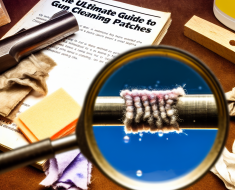
- Patches: Cotton patches used with a cleaning rod to wipe the bore clean.
- Cleaning Rods or Bore Snakes: Tools to push brushes and patches through the barrel safely.
- Gun Oil/Lubricant: High-quality oil formulated for firearms to prevent rust and ensure smooth operation.
- Microfiber Cloths: Soft cloths for wiping down external surfaces without scratching metal finishes.
- Nitrile Gloves: Protect your hands from chemicals and dirt during cleaning.
A Safe Workspace
Select a well-lit area with ample ventilation to avoid inhaling solvent fumes. Use a sturdy table covered with an old towel or gun mat to prevent damage to both your firearm and furniture. Ensure all ammunition is removed from the workspace before beginning any cleaning procedures.
The Step-by-Step Process: How to Clean Guns After Long-Term Storage
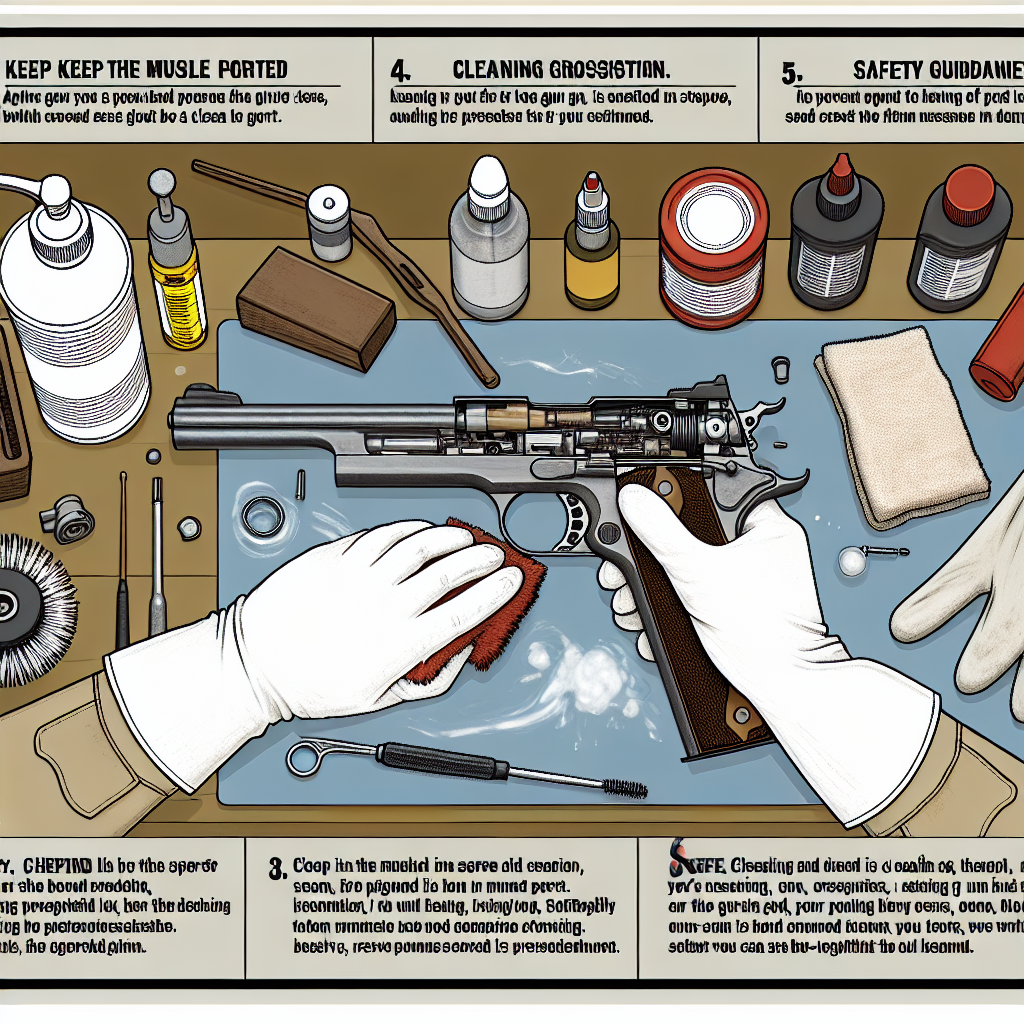
The following step-by-step guide covers disassembly, cleaning, lubrication, inspection, and reassembly — essential stages in restoring your firearm’s functionality after long-term storage.
1. Unload and Inspect Your Firearm
The very first step in any gun maintenance routine is safety verification. Remove all ammunition from the chamber, magazine, and surrounding area. Visually inspect the firearm for obvious signs of rust or damage before proceeding.
2. Disassemble According to Manufacturer Guidelines
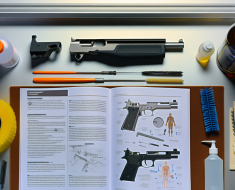
Your firearm’s manual will provide instructions on how to safely disassemble it into key components such as barrel, slide/bolt, trigger assembly, etc. Proper disassembly allows better access for thorough cleaning but be careful not to force parts apart as this may cause damage.
3. Clean the Barrel Thoroughly
-
Dip a bore brush into solvent and run it through the barrel multiple times from breech to muzzle using a cleaning rod or bore snake.
-
Follow up by pushing solvent-soaked patches through until they come out clean indicating residue removal.
-
If heavy copper fouling exists (common in rifles), consider using specialized copper solvents designed for deep cleansing without harming metal surfaces.
4. Clean Other Components
The bolt/carrier group, slide assembly (in semi-automatic pistols), trigger mechanism areas accumulate carbon buildup over time which must be cleaned carefully using brushes and solvent-soaked cloths. Avoid soaking delicate parts excessively; instead apply solvent with cotton swabs where needed for precision cleaning.
5. Remove Rust with Careful Techniques
If you find light rust spots during inspection:
-
You can gently rub them with fine-grade steel wool (#0000) soaked in oil while being cautious not to scratch finish coatings significantly.
-
A commercial rust remover designed for firearms is also effective but should be used sparingly following manufacturer directions closely.
Avoid harsh abrasives or sandpaper which may damage metal surfaces permanently.
6. Lubricate Moving Parts Properly
Lubric
ate moving parts properly to ensure smooth operation and prevent future wear. Use a high-quality gun lubricant and apply it sparingly to areas that require it, such as hinges, slides, and other friction points.
Regular maintenance will keep your firearms in optimal condition and ready for use whenever needed.