Proper Storage Tips After Cleaning Your Gun
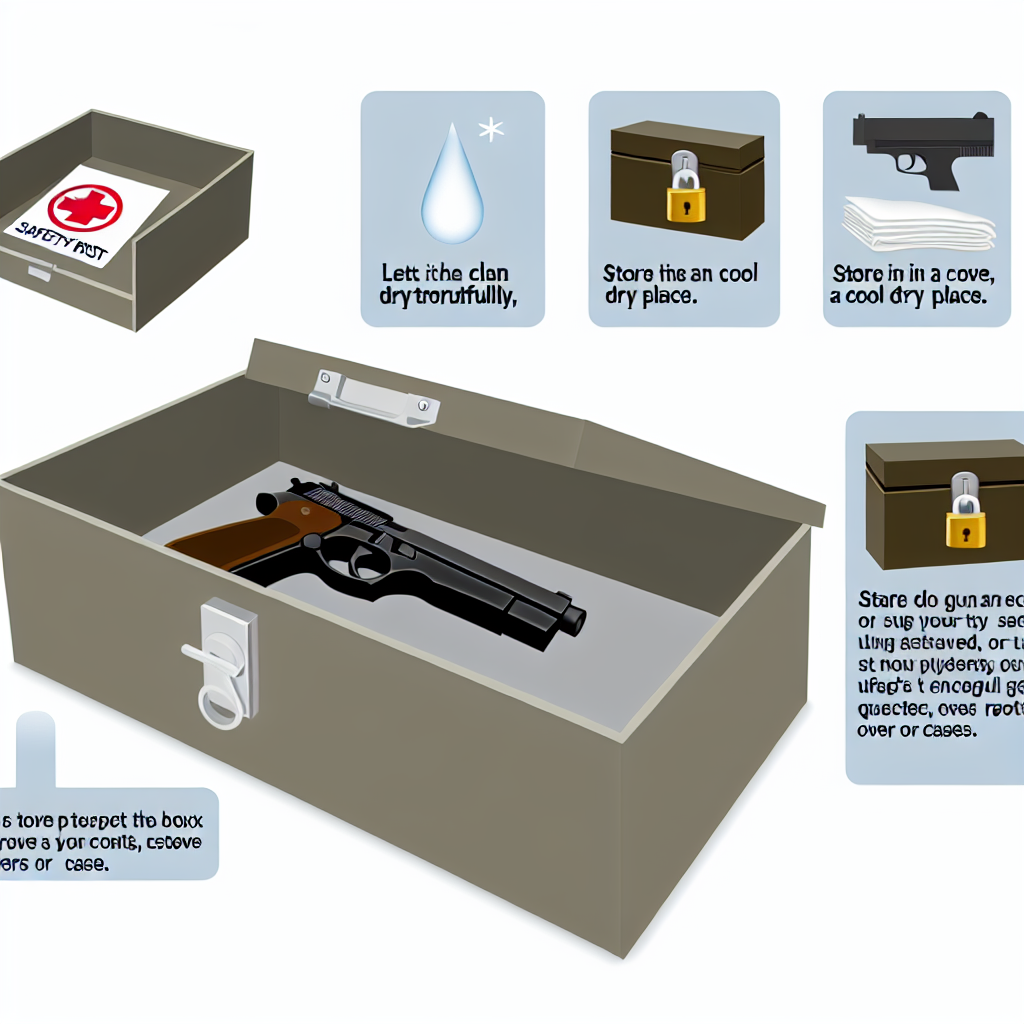
Maintaining a firearm involves more than just cleaning it regularly; proper storage after cleaning is essential to ensure the longevity, safety, and reliability of your gun. Whether you are a seasoned hunter, a competitive shooter, or a responsible gun owner, understanding how to store your firearm correctly after maintenance is critical. This article explores the best practices for storing firearms post-cleaning, highlighting key tips backed by research, expert advice, and real-world examples.
Why Proper Storage After Cleaning Is Crucial
After cleaning a gun, many owners assume their job is done. However, improper storage can undo the benefits of meticulous maintenance. Residual moisture from cleaning solvents or oils can cause rust and corrosion if not managed properly. Moreover, improper storage poses significant safety risks, including unauthorized access or accidental discharge.
According to a 2022 study by the National Shooting Sports Foundation (NSSF), firearms stored without adequate protection from moisture and environmental factors have up to a 30% higher chance of developing corrosion within one year. Additionally, the Centers for Disease Control and Prevention (CDC) notes that approximately 20% of accidental shootings involve improperly stored firearms, underscoring the importance of safe storage practices.
Preparing Your Firearm for Storage: The Final Steps After Cleaning
Before storing your firearm, it’s important to ensure it’s fully prepared to prevent damage and maintain functionality. The following steps should be taken immediately after cleaning:
- Dry Thoroughly: Ensure all parts are completely dry after cleaning. Use a clean cloth or compressed air to remove any residual moisture from hard-to-reach areas.
- Apply Protective Oil: A thin layer of gun oil or lubricant helps prevent rust but avoid excessive application as it can attract dust and grime.
- Inspect for Residue: Double-check that no solvent residues remain as these can degrade metal over time.
- Check Mechanical Function: Perform a function check without ammunition to confirm that all parts move smoothly and safely.
These steps lay the groundwork for safe and effective storage, preserving your firearm’s condition until its next use.
Selecting the Right Storage Environment
The environment in which you store your firearm plays an instrumental role in maintaining its integrity over time. Several factors need consideration:
- Temperature Control: Extreme temperature fluctuations can cause metal parts to expand and contract, potentially leading to mechanical issues or increased wear. Aim for stable indoor temperatures between 60°F and 75°F (15°C–24°C).
- Humidity Management: High humidity levels accelerate rust formation. Ideally, relative humidity should be kept below 50%. Consider using dehumidifiers or silica gel packs inside your storage unit.
- Avoid Direct Sunlight: UV rays can degrade synthetic stocks and scopes over time. Store firearms in shaded or enclosed areas away from windows.
- Ventilation: Good airflow helps prevent condensation buildup inside storage cases or safes.
A case study from the University of Tennessee demonstrated that firearms stored in climate-controlled environments with humidity below 40% showed significantly less corrosion after five years compared to those stored in uncontrolled basements or garages.
The Best Storage Solutions: Safes, Cases, and Cabinets
Selecting appropriate storage equipment is vital for both security and preservation. Here are some popular options along with their benefits:
Gun Safes
A quality gun safe offers maximum security by preventing unauthorized access while protecting against environmental damage.
- Fire-resistant models: These safes protect firearms against fire damage for specified durations (e.g., UL-rated safes offer protection from fire up to one hour).
- Moisture control features: Many modern safes include built-in dehumidifiers or electronic climate control systems.
- Biometric locks: Enhance convenience without compromising security by allowing only authorized users quick access.
Padded Gun Cases
Padded cases are ideal for short-term storage or transport but may not be suitable for long-term use unless combined with moisture-absorbing materials.
- Foam padding protects against impact damage during handling.
- Zippered or hard-shell options provide varying levels of protection against dust and moisture.
Cabinets and Lockboxes
Cabinets offer moderate security at an affordable price point but often lack advanced environmental controls found in premium safes. Lockboxes are compact options best suited for handguns rather than rifles or shotguns.
A real-world example: In a survey conducted by Gun Owners of America (GOA), owners who used dedicated gun safes reported fewer incidents of theft and damage compared to those who relied on unsecured cabinets or simple cases.
Additional Tips for Maintaining Firearms During Storage
<pBeyond choosing the right storage environment and equipment, several supplementary practices help maximize firearm longevity:
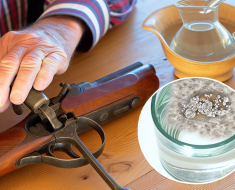
- Use Desiccants Regularly: Silica gel packets placed inside cases absorb excess moisture effectively. Replace them every few months as they become saturated over time.