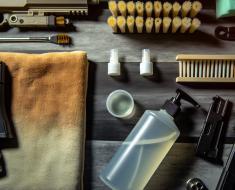
The Impact of Hard Water on Gun Cleaning
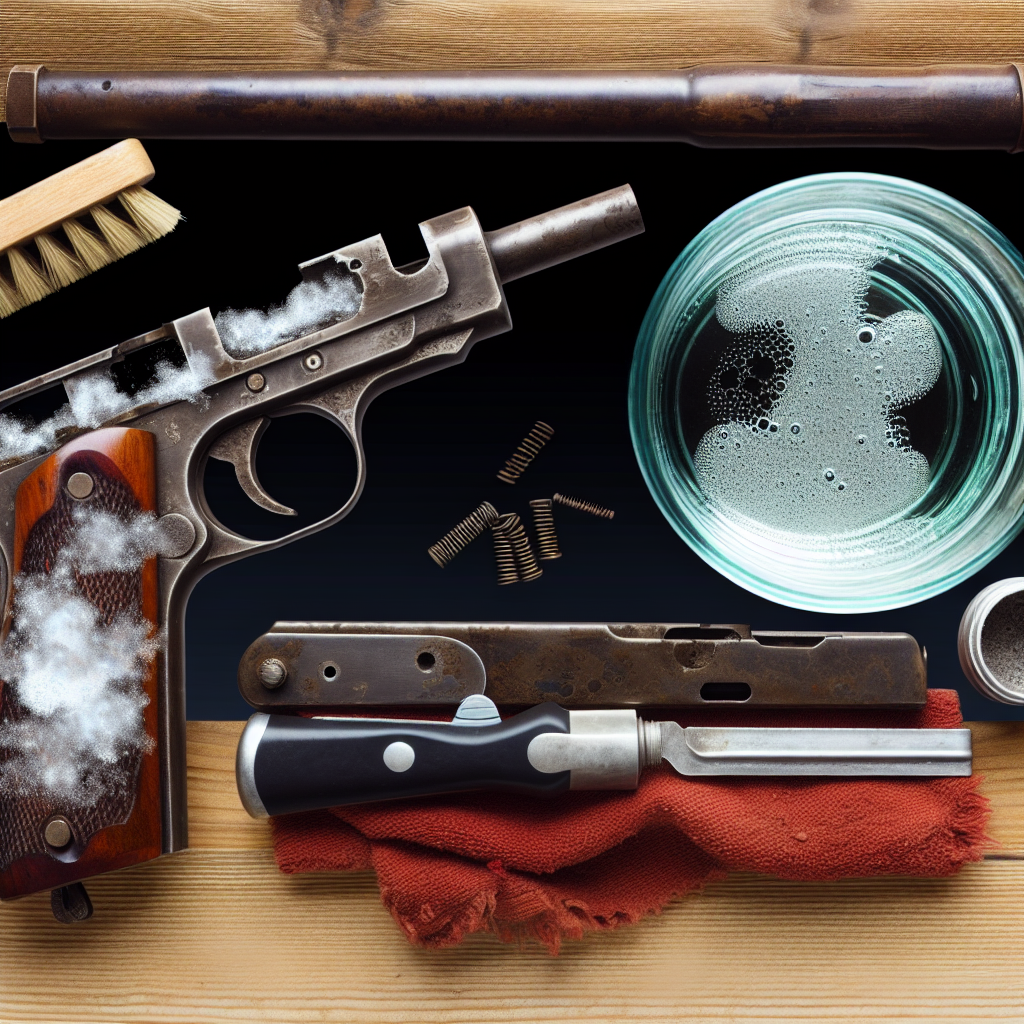
Gun maintenance is a crucial aspect of firearm ownership, ensuring reliability, safety, and longevity of the weapon. One often overlooked factor in this process is the type of water used during cleaning. While many gun owners focus on solvents, lubricants, and cleaning techniques, the quality of water—specifically whether it is hard or soft—can significantly influence the effectiveness of gun cleaning and the condition of firearms over time.
This article explores the impact of hard water on gun cleaning, examining how mineral content in water affects cleaning efficiency, potential damage to firearms, and best practices for gun owners to optimize their maintenance routines.
Understanding Hard Water: Composition and Characteristics
Before delving into its effects on gun cleaning, it’s important to understand what hard water is. Hard water contains high concentrations of dissolved minerals, primarily calcium (Ca²⁺) and magnesium (Mg²⁺) ions. These minerals originate from natural sources such as limestone or chalk deposits that water passes through before reaching taps.
Hardness is usually measured in parts per million (ppm) or grains per gallon (gpg). According to the Water Quality Association:
- Soft water: 0–60 ppm (0–3.5 gpg)
- Moderately hard water: 61–120 ppm (3.5–7 gpg)
- Hard water: 121–180 ppm (7–10.5 gpg)
- Very hard water: >180 ppm (>10.5 gpg)
Hard water is common in many regions worldwide; for example, parts of the United States like the Midwest and Southwest experience significant hardness levels. This prevalence means many gun owners may unknowingly be using hard water during firearm cleaning.
How Hard Water Affects Gun Cleaning Efficiency
The presence of minerals in hard water can interfere with several aspects of gun cleaning:
- Reduced Solvent Performance: Many gun cleaning solvents rely on chemical reactions that can be inhibited by calcium and magnesium ions. For example, detergents and surfactants used in some cleaning solutions may form insoluble salts with these minerals, reducing their ability to break down fouling and residues.
- Residue Formation: When hard water evaporates after rinsing a firearm component, it often leaves behind mineral deposits known as limescale or scale buildup. These deposits can be abrasive and difficult to remove, potentially causing mechanical issues or surface discoloration.
- Poor Drying and Corrosion Risks: Mineral deposits can trap moisture on metal surfaces longer than pure water would. This retained moisture increases the risk of rust formation if firearms are not thoroughly dried after cleaning.
A study conducted by the National Institute of Standards and Technology (NIST) highlighted that firearms cleaned with hard water exhibited higher residual deposits compared to those cleaned with deionized or distilled water. The residues contributed to increased friction in moving parts during subsequent firing sessions.
The Chemical Interaction Between Hard Water Minerals and Firearm Metals
The primary metals used in firearms—steel, aluminum alloys, and sometimes titanium—react differently when exposed to hard water during cleaning:
- Steel: Calcium carbonate deposits from hard water can create microabrasions on steel surfaces when combined with mechanical scrubbing. Over time, these abrasions may promote localized corrosion or pitting.
- Aluminum Alloys: While aluminum naturally forms a protective oxide layer, mineral deposits from hard water can interfere with this layer’s integrity during cleaning processes involving abrasive action or acidic solvents.
- Titanium Components: Less common but increasingly used in high-end firearms due to its corrosion resistance; however, even titanium can suffer from trapped mineral residues that affect moving parts’ smoothness.
A case study involving law enforcement agencies using municipal tap water for routine firearm maintenance revealed that pistols cleaned regularly with untreated hard tap water developed minor corrosion spots within six months compared to counterparts cleaned with softened or distilled water.
Practical Implications for Gun Owners: Challenges and Solutions
Gun owners face practical challenges when using hard water for firearm maintenance but can adopt strategies to mitigate these issues effectively.
The Challenges
- Limescale Buildup: Mineral deposits accumulate especially in tight areas such as barrel bores, chambers, gas ports, and trigger mechanisms where thorough rinsing is essential but difficult.
- Ineffective Cleaning Agents: Some commercial cleaners lose potency or leave residues when mixed with hard water instead of soft or distilled varieties.
- Cumulative Damage Over Time: Regular use of hard water without proper drying or additional care accelerates wear and corrosion risks even if immediate damage isn’t apparent after one cleaning session.
Recommended Solutions
- Use Distilled or Deionized Water: Whenever possible, replace tap or well water with distilled/deionized options when rinsing firearm components post-cleaning. This eliminates mineral content completely.
- Additives and Conditioners: Some gun oils and protectants contain additives designed to neutralize mineral residues or inhibit corrosion even if minor deposits remain after drying.