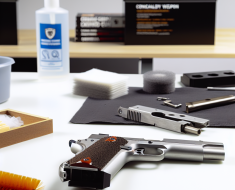
Tips for Cleaning Guns with Wood Handles
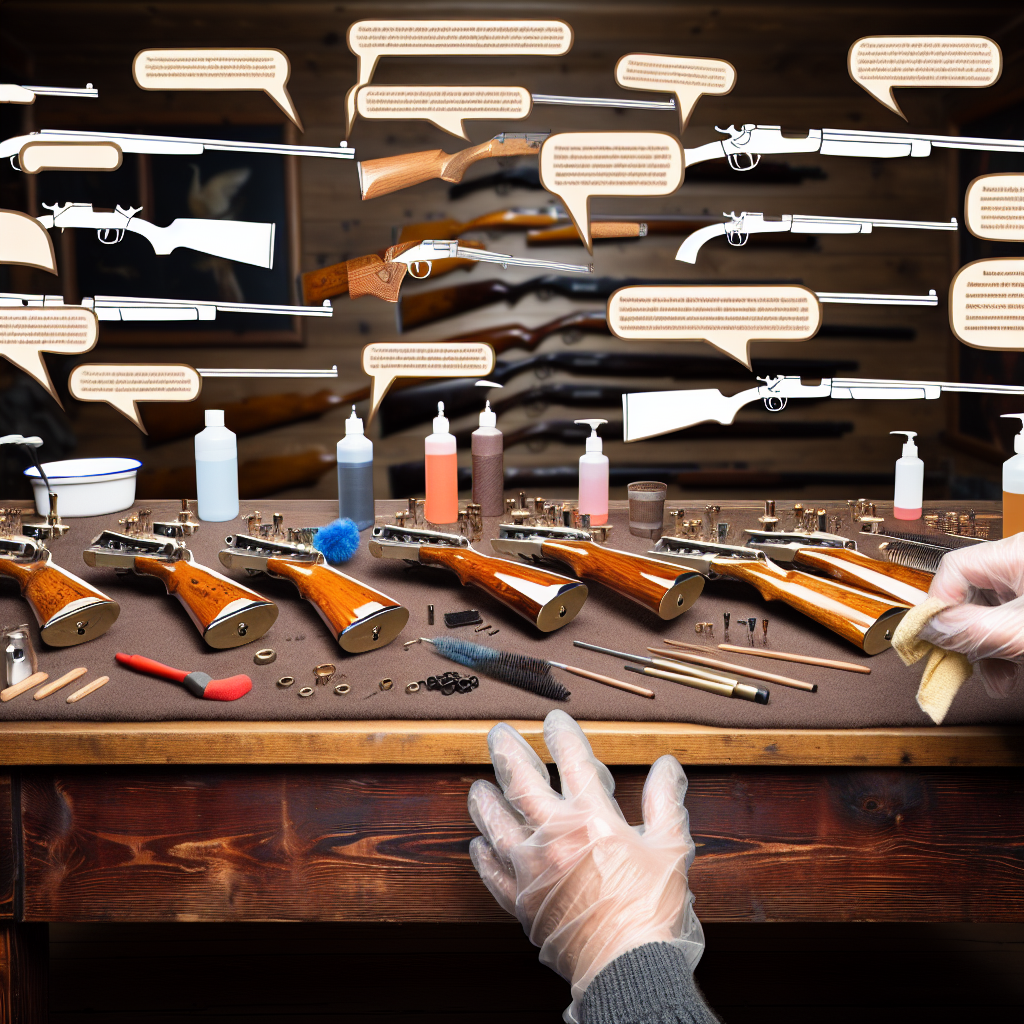
Cleaning firearms is an essential part of responsible gun ownership and maintenance. However, guns with wood handles require special care due to the unique properties of wood compared to synthetic or metal grips. Proper cleaning not only ensures the functionality and safety of your firearm but also preserves the aesthetic and structural integrity of the wooden components. In this article, we will explore practical tips, expert advice, and best practices for cleaning guns with wood handles effectively and safely.
Understanding the Challenges of Cleaning Wood Handles
Wood is a natural material that reacts differently to moisture, chemicals, and physical abrasion compared to metal or polymer gun parts. Unlike synthetic grips, wood can absorb oils, solvents, and water, which may cause swelling, cracking, discoloration, or warping over time.
Some common challenges when cleaning guns with wood handles include:
- Moisture Sensitivity: Excessive exposure to water or cleaning solvents can lead to swelling or warping.
- Chemical Damage: Harsh solvents or oils can strip away finishes or damage the wood grain.
- Abrasions and Scratches: Aggressive scrubbing or using inappropriate tools may scratch or dull the surface.
- Finish Preservation: Many wood handles have protective coatings such as varnish or oil finishes that must be preserved during cleaning.
According to a study by the National Rifle Association (NRA), improper maintenance is responsible for over 30% of firearm malfunctions related to grip degradation. This highlights the importance of proper care, especially for wood-handled firearms that require more delicate handling.
Essential Tools and Materials for Cleaning Wood-Handled Guns
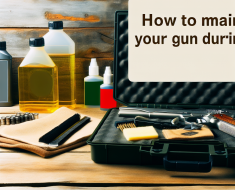
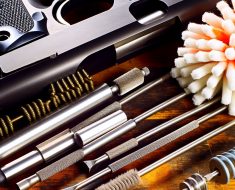
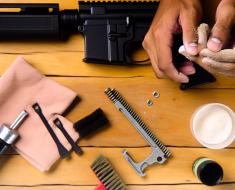
Before starting the cleaning process, it’s important to gather appropriate tools and materials that will effectively clean both the metal parts and protect the wooden handle. Using improper items can cause irreversible damage.
The following list outlines recommended supplies:
- Mild Wood Cleaner or Soap: Use a gentle soap solution (e.g., diluted dish soap) or a specialized wood cleaner designed for delicate finishes.
- Soft Cloths: Microfiber cloths are ideal for wiping down surfaces without scratching.
- Cotton Swabs or Q-Tips: Useful for reaching small crevices around screws and joints.
- Synthetic Brushes: Soft nylon brushes help clean grooves without damaging wood fibers.
- Sparingly Used Gun Oil: Use oil formulated for firearms on metal parts but avoid applying directly onto wood unless specified by manufacturer guidelines.
- Wood Conditioner or Wax: After cleaning, apply a suitable conditioner such as boiled linseed oil or beeswax-based polish to nourish and protect the handle.
Avoid harsh chemicals like acetone, alcohol-based cleaners, or ammonia on wood as these can strip finishes and dry out the material. Also steer clear from abrasive pads which can leave scratches on your wooden grip.
Step-by-Step Guide: Cleaning Your Gun with a Wood Handle
The process of cleaning a firearm with a wooden handle requires patience and attention to detail. Below is a comprehensive step-by-step guide tailored specifically for these types of firearms:
1. Safety First: Unload Your Firearm
The most important step before any cleaning procedure is ensuring your gun is completely unloaded.
- Eject any magazines or ammunition cartridges.
- Check chamber multiple times visually and physically to confirm it is empty.
- If unfamiliar with your firearm’s mechanics, consult your owner’s manual or seek professional assistance before proceeding.
2. Disassemble Your Firearm According to Manufacturer Instructions
This allows you access to all parts needing attention while minimizing risk of damage during cleaning. Be cautious when removing parts attached near the wooden handle so as not to stress joints where wood meets metal components.
3. Clean Metal Parts Separately Using Gun Solvent
Dab solvent on a soft cloth rather than pouring directly onto metal surfaces near the wooden grip. Avoid excess fluid around the handle area where it could seep into the wood grain causing damage over time.
4. Gently Wipe Down Wood Handles
- Dampen a microfiber cloth lightly with warm water mixed with mild soap solution—never soak it—then wipe down the handle carefully.
- If stubborn dirt accumulates in grooves or around screws, use a soft-bristled brush dipped in this mild solution to loosen debris gently.
- Avoid saturating any area; excessive moisture can penetrate beneath finish layers leading to discoloration or warping.
5. Dry Thoroughly
Avoid leaving any dampness on the wood surface; immediately dry using another clean microfiber cloth ensuring no moisture remains in cracks or under screws. Proper drying prevents mold growth and deterioration of finishes.
6. Apply Wood Conditioner or Wax
If your gun’s manufacturer recommends treating wooden grips after cleaning (or if you notice dryness), apply a thin layer of appropriate conditioner like boiled linseed oil using a lint-free cloth.
Allow it to penetrate then buff excess off to restore the wood’s natural luster and protect it from future wear.
Regular maintenance will keep your gun’s wood handles looking their best and extend their lifespan.