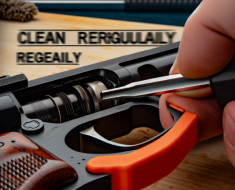
How to Clean Your Gun Without Disassembly
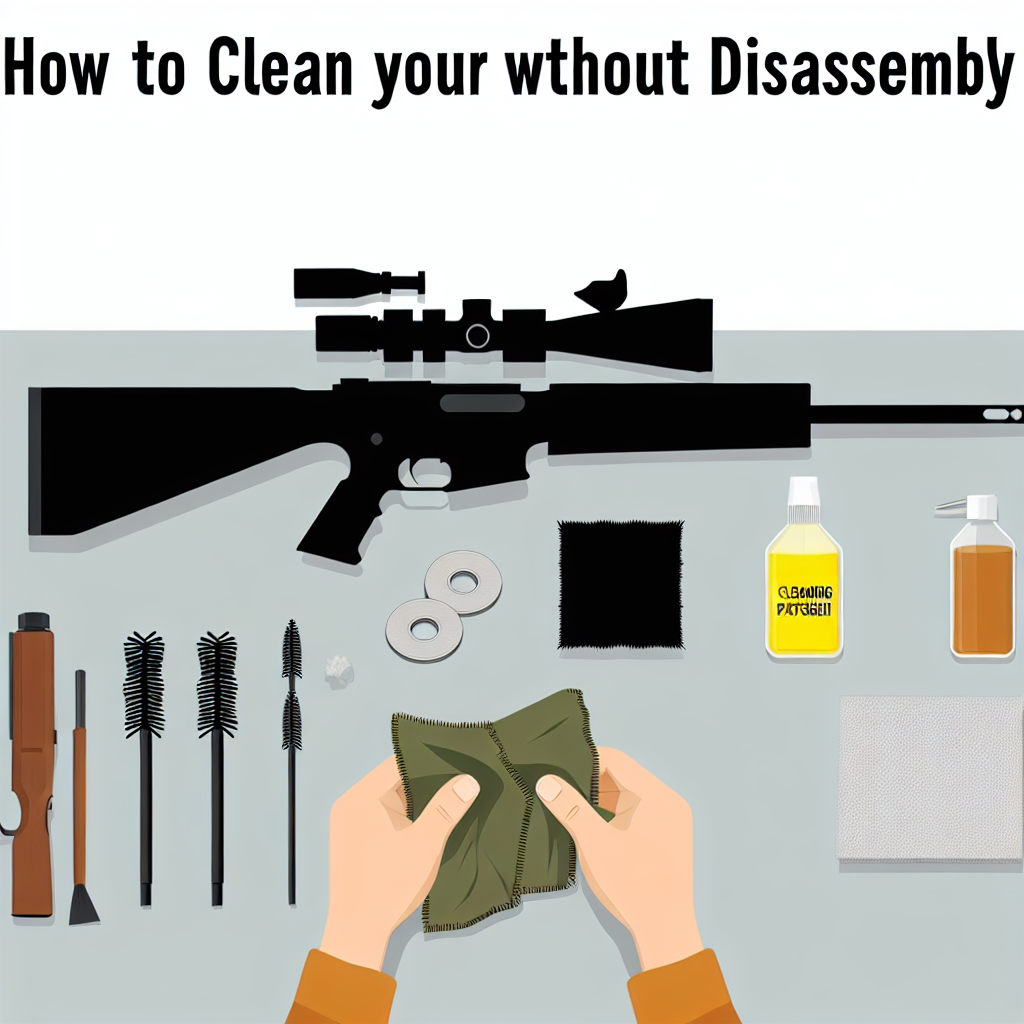
Maintaining a firearm is essential for its longevity, reliability, and safety. While complete disassembly is often recommended for thorough cleaning, there are many situations where cleaning your gun without taking it apart is more practical or necessary. Whether you’re in the field, at the range, or simply want a quick maintenance routine at home, learning how to clean your gun without disassembly can keep your firearm functioning smoothly and reduce wear over time.
This article explores effective techniques and best practices for cleaning your gun without disassembling it. We will cover essential tools, step-by-step methods, and expert tips that ensure proper maintenance while preserving the integrity of your firearm.
Why Clean Your Gun Without Disassembly?
Cleaning a firearm without taking it apart may seem less thorough than a full teardown, but it has several advantages that make it an important skill for every gun owner. Understanding why this method is useful can help you appreciate its value.
- Quick Maintenance: After shooting sessions, residue buildup can affect performance. Cleaning without disassembly allows for quick removal of fouling and debris to maintain reliability.
- Field Conditions: When hunting or on duty, you may not have the tools or environment to safely take apart your gun. Non-disassembly cleaning keeps your weapon functional in critical moments.
- Preserving Warranty and Safety: Some firearms have complex mechanisms or manufacturer restrictions that advise against user disassembly to avoid voiding warranties or causing damage.
- Preventing Over-Cleaning: Excessive cleaning or improper disassembly can lead to wear on delicate parts. Cleaning externally helps maintain essential lubrication and avoids unnecessary handling of internal components.
A study conducted by the National Shooting Sports Foundation (NSSF) found that about 60% of recreational shooters prefer field stripping their guns only occasionally due to the complexity and time required. Instead, they rely on surface cleaning methods between deeper cleanings for optimal upkeep.
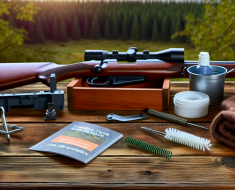
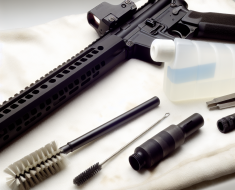
Essential Tools for Cleaning Without Disassembly
Even without taking your firearm apart, having the right tools is crucial for effective cleaning. The goal is to remove powder residue, dirt, and oil buildup while protecting the finish and mechanical parts.
- Bore Brushes: Nylon or bronze brushes sized appropriately for your barrel caliber help loosen fouling inside the barrel without dismantling it.
- Cotton Patches: Used with a cleaning rod or jag to wipe out loosened debris from the bore.
- Cleaning Rod or Bore Snake: A flexible tool designed to pass through the barrel multiple times for efficient cleaning without removal of parts.
- Cleaning Solvent: Specialized solvents dissolve powder residues and carbon deposits safely without damaging metal or polymer components.
- Lubricant/Oil: A light application prevents rust and ensures smooth operation of moving parts visible externally.
- Nylon Brushes/Toothbrushes: For scrubbing accessible areas like slide rails, trigger guards, and external surfaces where dirt accumulates.
- Cotton Swabs/Q-tips: Useful for reaching small crevices such as around sights, extractor grooves, and magazine wells.
The quality of these tools affects the effectiveness of cleaning. For example, bronze brushes are more aggressive than nylon ones but should be used carefully to avoid scratching delicate finishes. Always consult your firearm’s manual for recommended materials.
Step-by-Step Guide: Cleaning Your Gun Without Disassembly
The following procedure outlines how to clean a handgun or rifle without breaking it down into individual components. It focuses on key areas that accumulate residue during firing sessions.
1. Ensure Safety First
The most important step before any firearm maintenance is ensuring it is completely unloaded. Remove all magazines and visually inspect both the chamber and magazine well multiple times to confirm no ammunition remains inside.
2. Prepare Your Workspace
Select a clean, well-lit area with adequate ventilation when using solvents. Lay down a protective mat or newspaper to catch drips from oils or solvents that might damage surfaces.
3. Clean the Barrel (Bore)
- Dampen a bore brush with solvent appropriate for your firearm caliber (e.g., .45 ACP brush for .45 pistols).
- Attach the brush to a cleaning rod and carefully push it through the barrel from chamber end toward muzzle end—never reverse direction as this can damage rifling.
- Sweep back and forth several times to loosen fouling inside the bore.
- Next, run dry cotton patches through the bore until they come out clean—this may require several passes depending on residue level.
- If available, use a bore snake soaked in solvent as an alternative; pull it through the barrel repeatedly to remove debris quickly.
4. Wipe Down External Surfaces
- Dampen a clean cloth with solvent and wipe all external metal surfaces such as slide faces, frame rails (if visible), barrel exterior near muzzle area, trigger guard area, etc., focusing on removing powder residue and dirt buildup.
-
A soft toothbrush helps scrub hard-to-reach areas, ensuring a thorough clean without disassembly. Regular maintenance will keep your firearm in optimal condition.