How to Clean Guns with Suppressors Attached: A Comprehensive Guide
Maintaining firearms is crucial for ensuring safety, reliability, and longevity, and this principle extends to guns equipped with suppressors. Cleaning a gun with a suppressor attached requires a specific approach to avoid damage and ensure optimal performance. Suppressors, also known as silencers, alter the dynamics of firearm operation and residue accumulation, making proper cleaning techniques essential.
In this article, we will explore the best practices for cleaning guns with suppressors attached, covering necessary tools, step-by-step procedures, and important safety considerations. Whether you are a seasoned shooter or new to using suppressors, this guide aims to provide clear and practical advice to keep your firearm in top condition.
Understanding Suppressors and Their Impact on Gun Maintenance
Before diving into cleaning techniques, it’s important to understand what suppressors do and how they influence firearm maintenance. A suppressor is a device attached to the muzzle of a gun that reduces the noise generated by firing by trapping and slowing escaping gases. This functionality changes the way residue accumulates within both the barrel and the suppressor itself.
Suppressors cause an increase in carbon buildup and unburned powder deposits due to lower gas velocities inside the barrel and suppressor assembly. According to a study published by the Journal of Forensic Sciences (2019), firearms equipped with suppressors can experience up to 40% more fouling inside the barrel compared to unsuppressed firearms after similar firing conditions.
This increased fouling means that both the gun barrel and the suppressor require more frequent cleaning than usual. Neglecting proper maintenance can lead to decreased accuracy, increased wear on internal components, and even potential damage to the suppressor.
Essential Tools and Supplies for Cleaning Guns with Suppressors
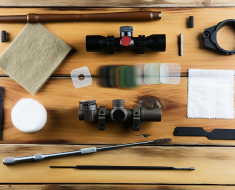
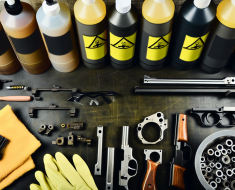
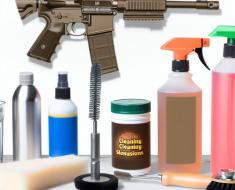
Having the right tools on hand makes cleaning efficient and effective while protecting your equipment. Below is a list of essential supplies for cleaning guns with attached suppressors:
- Cleaning Rods or Bore Snakes: Preferably non-metallic rods (nylon or coated steel) to avoid scratching barrels or suppressor internals.
- Bore Brushes: Sized appropriately for your firearm’s caliber; brass or nylon brushes are common choices.
- Patches: Cotton or synthetic patches for applying solvents and removing debris.
- Solvents: High-quality bore cleaners designed for carbon removal; some products are specifically formulated for suppressed firearms.
- Lubricants: Light gun oils for protecting metal surfaces after cleaning.
- Microfiber Cloths: For wiping down external surfaces without scratching finishes.
- Compressed Air Canister or Q-Tips: For detailed cleaning of small parts inside the suppressor.
- Gloves: Nitrile gloves protect your hands from harsh chemicals during cleaning.
- User Manuals: Both firearm and suppressor manuals often include manufacturer-recommended cleaning procedures—always consult these first!
Step-by-Step Procedure: Cleaning Your Gun with Suppressor Attached
The process of cleaning a gun with an attached suppressor involves careful disassembly (if applicable), solvent application, mechanical scrubbing, drying, lubrication, and reassembly. Here is a detailed step-by-step guide:
1. Ensure Safety First
The utmost priority is safety before handling any firearm. Follow these precautions:
- Unload your firearm completely.
- Remove all ammunition from the vicinity.
- Work in a well-ventilated area away from open flames due to solvent fumes.
2. Consult Manufacturer Guidelines
Every gun-suppressor combination is unique. Before attempting any disassembly or deep cleaning, review both manufacturers’ instructions carefully. Some suppressors are user-serviceable while others require professional maintenance.
3. Remove Suppressor if Possible (Recommended)
If your setup allows easy removal of the suppressor without tools or risk of damage, it is advisable to clean each component separately for thoroughness. However, if you prefer or need to clean with it attached (e.g., fixed-mount designs), proceed carefully as outlined below.
4. Clean Barrel Through Bore
If removing the suppressor isn’t an option, use specialized bore snakes or rods designed for suppressed firearms that can navigate through both barrel and suppressor without damaging internal baffles:
- Dampen patches or bore snakes with solvent designed for carbon buildup removal.
- Smoothly run them through from chamber end towards muzzle end slowly to loosen fouling.
- Avoid excessive force which may damage baffles inside the suppressor.
5. Clean Suppressor Internals Separately
If removed, disassemble according to instructions (many modern suppressors have modular designs).
Use brushes and Q-tips soaked in solvent to clean baffle stacks carefully: Avoid abrasive materials that can scratch or deform baffles; If heavily carbon buildup is present, consider using a dedicated suppressor cleaning solution. Regular maintenance will ensure optimal performance and longevity of your suppressor.