The Importance of Cleaning Gun Gas Systems
Maintaining a firearm is essential for ensuring its reliability, longevity, and safety. Among the various components of a firearm, the gas system plays a critical role in its operation, especially in semi-automatic and automatic weapons. Proper cleaning and maintenance of the gun gas system are often overlooked but are vital to prevent malfunctions and maintain optimal performance. This article delves into why cleaning gun gas systems is important, the consequences of neglect, best practices for maintenance, and insights supported by relevant examples and data.
Understanding Gun Gas Systems: What Are They and How Do They Work?
Before exploring the importance of cleaning, it’s crucial to understand what a gun gas system is and its function within a firearm.
In many modern firearms, particularly those operating on a gas-operated mechanism such as the AR-15 or AK-47, the gas system harnesses the energy generated from firing a cartridge to cycle the weapon. When a bullet is fired, propellant gases expand rapidly inside the barrel. Some of these gases are diverted through a small port in the barrel into the gas tube or piston system. This redirected gas pressure then pushes parts such as the bolt carrier group backward to eject the spent casing and chamber a new round.
This mechanism allows for semi-automatic or fully automatic firing without manual cycling. However, because these gases contain combustion residues and carbon fouling, they tend to accumulate within the gas system components over time.
The Consequences of Neglecting Gun Gas System Cleaning
Failing to clean your firearm’s gas system can lead to several issues that affect both performance and safety.
- Increased Malfunctions: Carbon buildup can cause failures to cycle properly, including failures to eject (FTE), failures to feed (FTF), or stovepiping. These malfunctions disrupt shooting accuracy and reliability.
- Accelerated Wear and Tear: Residue accumulation increases friction between moving parts, leading to premature wear on critical components such as bolts, carriers, and pistons.
- Reduced Accuracy: A dirty gas system can cause inconsistent cycling speeds which affect shot timing and overall accuracy.
- Potential Safety Hazards: Excessive fouling can lead to increased pressure within the barrel or cause parts to stick unexpectedly, potentially resulting in dangerous misfires or catastrophic failures.
- Difficulties in Field Conditions: In combat or hunting scenarios where reliability is paramount, an uncleaned gas system can be a liability that compromises mission success or personal safety.
A study by the U.S. Army Armament Research Development and Engineering Center (ARDEC) found that improperly maintained gas-operated rifles exhibited up to a 35% increase in malfunction rates under field conditions compared to well-maintained counterparts.
How Often Should You Clean Your Gun Gas System?
The frequency of cleaning depends on several factors including how often you shoot, ammunition type used, environmental conditions, and your firearm’s design.
- Shooting Frequency: For regular shooters who fire hundreds of rounds per month, cleaning after every range session is recommended.
- Ammunition Type: Ammunition with corrosive primers or poor-quality powder produces more residue requiring more frequent cleaning.
- Environmental Conditions: Shooting in dusty, sandy, humid, or wet environments accelerates fouling buildup due to additional contaminants entering the system.
- Firearm Design: Some firearms have self-cleaning mechanisms or designs less prone to fouling; others require more diligent maintenance.
Generally speaking, most manufacturers advise inspecting and cleaning the gas system every 300-500 rounds under normal conditions. However, if you notice any signs of malfunction such as sluggish cycling or unusual noises earlier than that threshold, immediate inspection is warranted.
Best Practices for Cleaning Gun Gas Systems
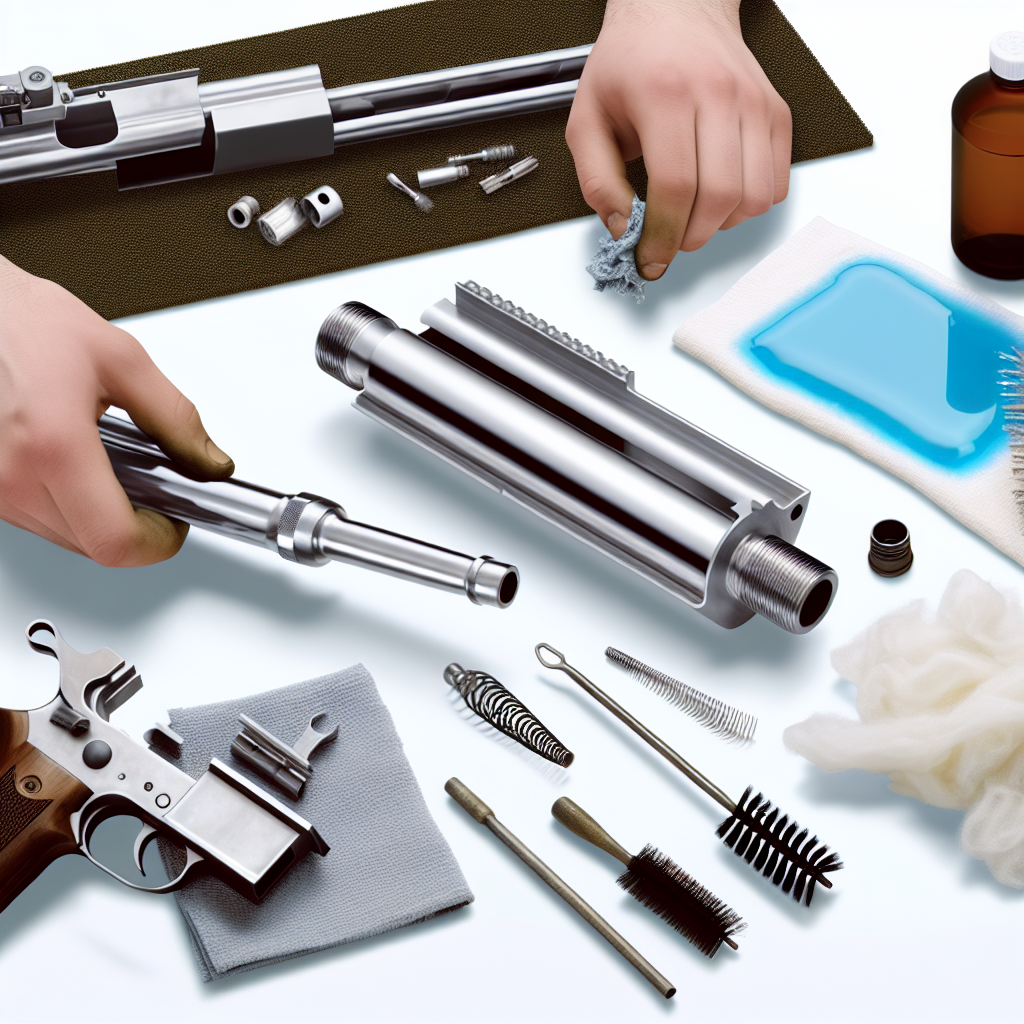
Caring for your gun’s gas system involves meticulous attention to detail combined with proper tools and techniques. Below are recommended steps for effective cleaning:
- Disassemble According to Manufacturer Instructions: Always follow specific disassembly guidelines for your firearm model. Improper disassembly can damage components or void warranties.
- Use Appropriate Solvents: Use quality carbon solvents designed specifically for firearms such as Hoppe’s No. 9 or Break-Free CLP (Cleaner Lubricant Protectant). These break down carbon deposits without harming metal finishes.
- Purge Carbon Build-Up Thoroughly: Focus on areas like the gas block port, piston head (if applicable), gas tube interior, bolt carrier key, and chamber face where fouling accumulates heavily.
- Avoid Excessive Lubrication in Gas Areas: While lubrication is essential elsewhere in your firearm’s moving parts, too much oil in the gas system can attract dirt causing additional fouling problems.
- Inspect Components for Damage: Look out for cracks, erosion around gas ports or keys which could indicate worn-out parts needing replacement before reassembly.
- Reassemble Carefully & Test Functionality: After cleaning reassemble according to instructions then perform function checks—dry cycling without ammunition ensures smooth operation prior to live fire testing.
A practical approach to maintaining your gun’s gas system will significantly enhance its reliability and longevity.
Regular cleaning and inspection can prevent malfunctions and ensure optimal performance during use.