Reloading Reloading Troubleshooting: Common Press Issues
Reloading ammunition is a rewarding and cost-effective hobby for many shooting enthusiasts. However, the process requires precision, patience, and a good understanding of your equipment—particularly the reloading press. Whether you are a novice or an experienced reloader, encountering issues with your press can be frustrating and potentially dangerous if not addressed correctly. This article explores common problems faced during the reloading process, provides troubleshooting tips, and offers practical solutions to ensure safe and efficient operation of your reloading press.
Understanding Your Reloading Press: Types and Functions
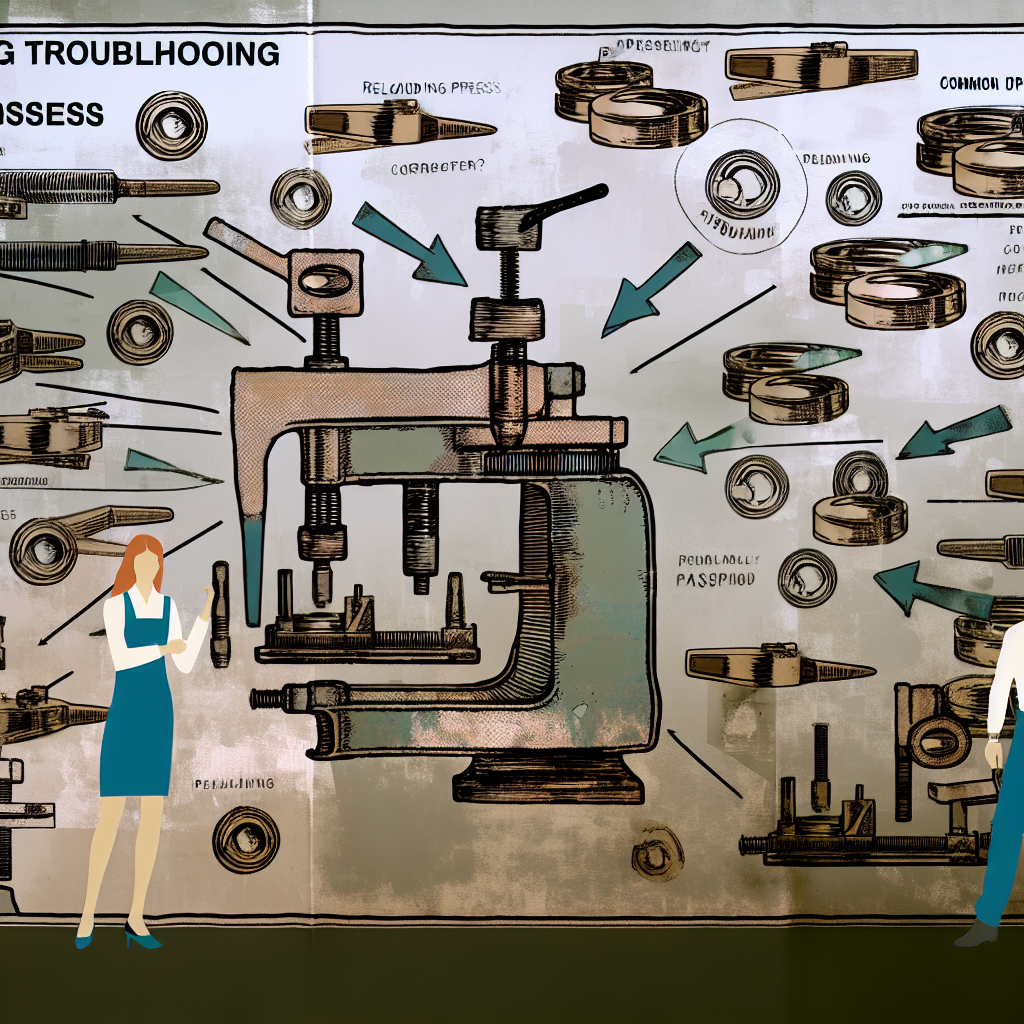
Before diving into troubleshooting, it is important to understand the basic types of reloading presses and their functions. Reloading presses come in various designs, each suited to different types of ammunition and user preferences:
- Single-stage presses: Designed for one step at a time (e.g., resizing or seating bullets), ideal for beginners or precision reloaders.
- Turret presses: Feature a rotating turret head with multiple dies mounted, allowing quicker transitions between stages.
- Progressive presses: Perform multiple operations per stroke, enabling high-volume reloading but requiring more maintenance and adjustment.
The type of press you use will influence the troubleshooting methods as well as the common issues you might encounter. For example, progressive presses have more moving parts and are thus more prone to mechanical malfunctions compared to single-stage presses.
Common Press Issues and Their Causes
Despite following manufacturer instructions carefully, many reloaders face similar problems with their presses. Below are some of the most frequent issues encountered during reloading:
- Misfeeds or Failure to Pick Up Cases: The press fails to pick up cartridge cases properly from the shell plate or feed system.
- Die Alignment Problems: Improper alignment causes uneven resizing or bullet seating, leading to inconsistent ammo.
- Excessive Press Effort or Stiff Operation: The handle is hard to pull or operate smoothly.
- Case Stuck in Die or Shell Holder: Cases getting jammed during resizing or bullet seating stages.
- Ineffective Powder Charging: Powder fails to dispense correctly due to press-related issues with powder measure integration.
Case Study: Misfeeds on a Progressive Press
A study conducted by the National Shooting Sports Foundation (NSSF) in 2021 reported that nearly 35% of reloaders using progressive presses experienced misfeed issues during their initial setup phase. Many cases were attributed to improper shell plate indexing or worn-out case feeders. This highlights the importance of regular maintenance and calibration when working with complex presses.
Troubleshooting Misfeeds and Case Pickup Failures
The inability of your press to pick up cartridge cases reliably can halt your entire reloading session. Here are steps to diagnose and fix this problem:
- Check Case Feeder Alignment: For progressive presses equipped with automatic case feeders, ensure that the feeder fingers are properly aligned with the shell plate. Misalignment can cause cases to be dropped incorrectly or skipped entirely.
- Inspect Shell Plate Condition: Worn or damaged shell plates can cause cases not to seat properly before each cycle. Replace if necessary.
- Lubricate Moving Parts: Sometimes friction prevents smooth case movement. Use appropriate lubricants on pivot points but avoid excess oil near powder compartments for safety reasons.
- Adjust Case Feeder Timing: Many progressive presses have adjustable timing cams for feeders. Consult your manual for correct settings as improper timing can lead to missed pickups.
An example from a popular Lee Loadmaster user forum reveals that after adjusting the timing cam by just a few degrees, one user eliminated persistent misfeeds that had plagued their sessions for weeks.
Tackling Die Alignment Issues
The alignment between dies and shell holders is crucial for producing safe and accurate ammunition. Common symptoms of die misalignment include inconsistent bullet seating depths, variations in overall cartridge length (OAL), or visible case deformities after resizing.
- Tighten Dies Properly: Ensure dies are screwed in correctly but avoid overtightening which can cause skewed positioning.
- Use a Die Lock Ring: A lock ring helps maintain die position during repeated use without shifting alignment.
- Verify Shell Holder Compatibility: Using incorrect shell holders can cause dies not to align perfectly with cases. Always match shell holders specifically designed for your cartridge caliber.
- Add Shims if Needed: Some advanced reloaders add thin shims between die threads and lock rings to fine-tune alignment when necessary.
A practical tip from Hornady’s technical support emphasizes measuring OAL regularly during initial setup runs; sudden length variations often indicate die alignment problems requiring immediate correction before proceeding further.
Smooth Operation: Addressing Excessive Press Effort
A stiff or difficult-to-operate press handle can quickly lead to user fatigue and potentially unsafe practices like forcing components through dies.
Several factors contribute to this problem: Lubrication issues, worn parts, or misalignment can all lead to excessive press effort. Regular maintenance and checks can help ensure smooth operation.
By addressing these common issues, you can enhance your reloading experience and ensure consistent results.