How to Choose the Right Reloading Press for Your Needs
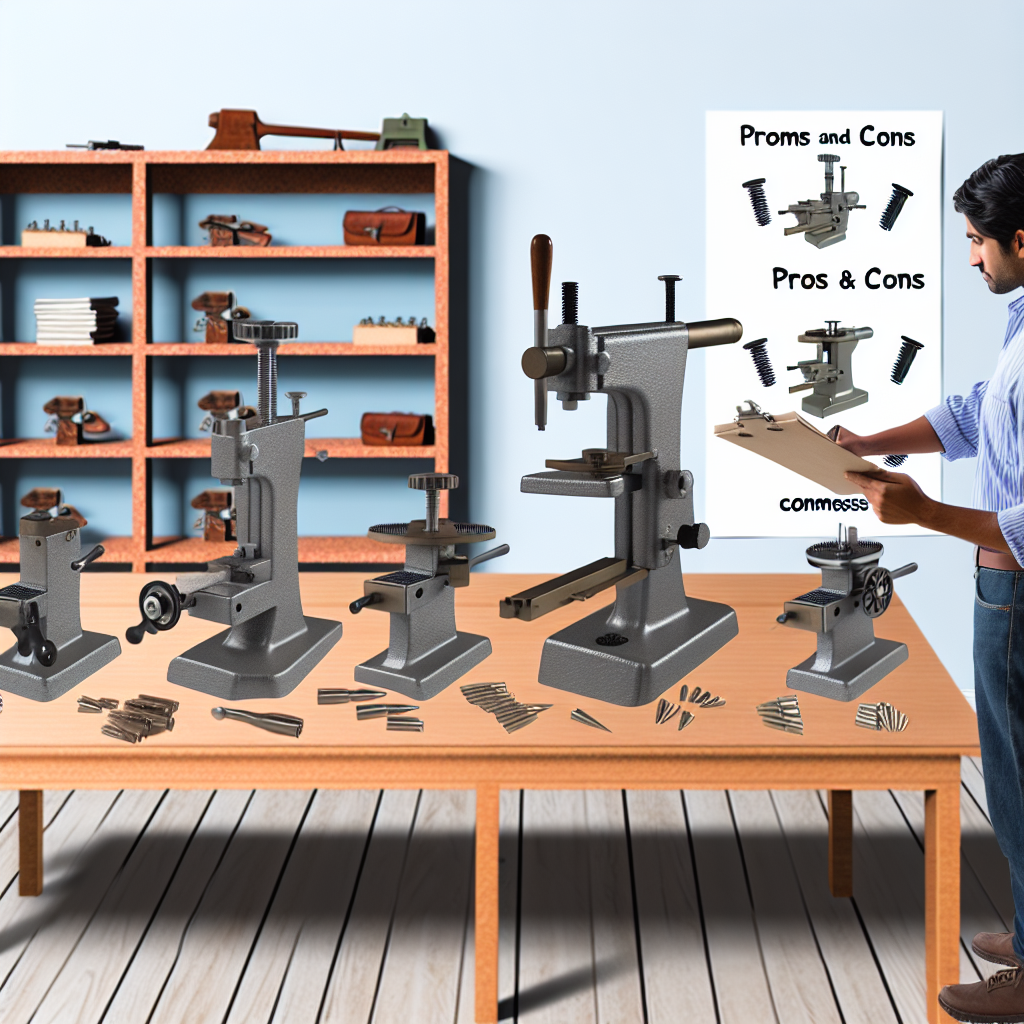
Reloading ammunition is a rewarding hobby and practical skill that allows shooters to customize their loads for optimal performance, save money, and ensure a steady supply of ammunition. At the heart of this process lies the reloading press — a critical piece of equipment that directly influences the efficiency, accuracy, and safety of your reloading experience.
Choosing the right reloading press can seem overwhelming given the variety of options available, each with distinct features tailored to different needs. This article aims to guide you through the essential considerations when selecting a reloading press, supported by examples, statistics, and expert insights.
Understanding Reloading Press Types: Which One Fits Your Style?
The first step in choosing a reloading press is understanding the different types available. Each type caters to specific reloading volumes, calibers, and user preferences. The three primary categories are single-stage presses, turret presses, and progressive presses.
Single-Stage Presses: Precision Meets Simplicity
Single-stage presses are often recommended for beginners due to their straightforward operation. They perform one step per cycle — resizing a case, seating a bullet, or crimping — which means you must manually change dies for each stage.
- Advantages: High precision and control; excellent for loading small batches or experimental loads.
- Disadvantages: Slower production rate; requires more manual effort.
A classic example is the RCBS Rock Chucker Supreme, widely praised for its durability and reliability. According to data from Ammoseek’s 2023 survey of reloaders, about 35% prefer single-stage presses primarily for handloading precision rifle rounds.
Turret Presses: Balance Between Speed and Control
Turret presses incorporate a rotating turret that holds multiple dies simultaneously. This design allows you to perform several stages without changing dies manually, speeding up the process while maintaining decent control.
- Advantages: Faster than single-stage; versatile for moderate volume loading.
- Disadvantages: More complex setup; slightly less precision than single-stage.
The Lyman Turret Press, for example, is favored by handloaders who want to increase throughput without investing in high-end progressive equipment. It suits users who reload several hundred rounds per week.
Progressive Presses: High Volume Reloading Efficiency
If you need large quantities of ammunition quickly—such as competitive shooters or professional reloaders—a progressive press may be ideal. These machines perform multiple steps simultaneously with every handle pull, producing one complete round per cycle.
- Advantages: Extremely fast; efficient for mass production; automated features reduce manual labor.
- Disadvantages: Expensive initial investment; higher learning curve; maintenance intensive.
The Dillon RL550B, known for its speed and reliability, is a favorite among high-volume reloaders. Statistics from the National Shooting Sports Foundation (NSSF) highlight that competitive shooters using progressive presses can reload over 500 rounds per hour compared to under 100 with single-stage presses.
Assessing Your Reloading Goals: Volume, Caliber Range, and Purpose
Your specific needs will largely determine which press suits you best. Consider these key factors before making your choice:
- Volume: How many rounds do you plan to reload weekly or monthly? Single-stage presses are ideal for low volume (1000 rounds/month).
- Caliber Range: Are you loading pistol cartridges only or also rifle rounds? Some presses handle large rifle cases better than others due to ram length and frame size.
- Purpose: Is your focus on precision shooting (e.g., benchrest competition), casual plinking, hunting ammo customization, or cost-saving bulk production?
A case study involving two reloaders illustrates this well: John reloads .308 Winchester exclusively for precision target shooting at his local club once or twice a week. He chose a high-quality single-stage press because he values accuracy over quantity. Conversely, Maria competes in practical shooting sports using multiple pistol calibers. She invested in a turret press that balances speed with versatility across calibers.
Key Features to Consider When Selecting Your Reloading Press
The right press isn’t just about type — it’s about features that affect usability, durability, and compatibility with your workflow. Below are critical attributes to evaluate:
Build Quality and Materials
A sturdy frame made from quality cast iron or steel ensures long-term durability and consistent performance under repeated stress. Cheaper aluminum presses might be lighter but often sacrifice rigidity which can affect precision over time.
Ram Length and Stroke
The ram stroke length determines how far the ram travels during each pull—important if you plan on working with long rifle cartridges such as .30-06 Springfield or magnum calibers requiring deeper bullet seating or resizing strokes. Longer strokes provide greater flexibility but may require more physical effort.
Die Compatibility
Your chosen press should accept standard shell holders and industry-standard die
sizes to ensure you can use a wide range of reloading tools without hassle. This compatibility is key for a smooth reloading experience.
By considering these factors, you can select a reloading press that best fits your needs and enhances your reloading process.