Reloading for Precision Target Shooting: Mastering the Art of Accuracy
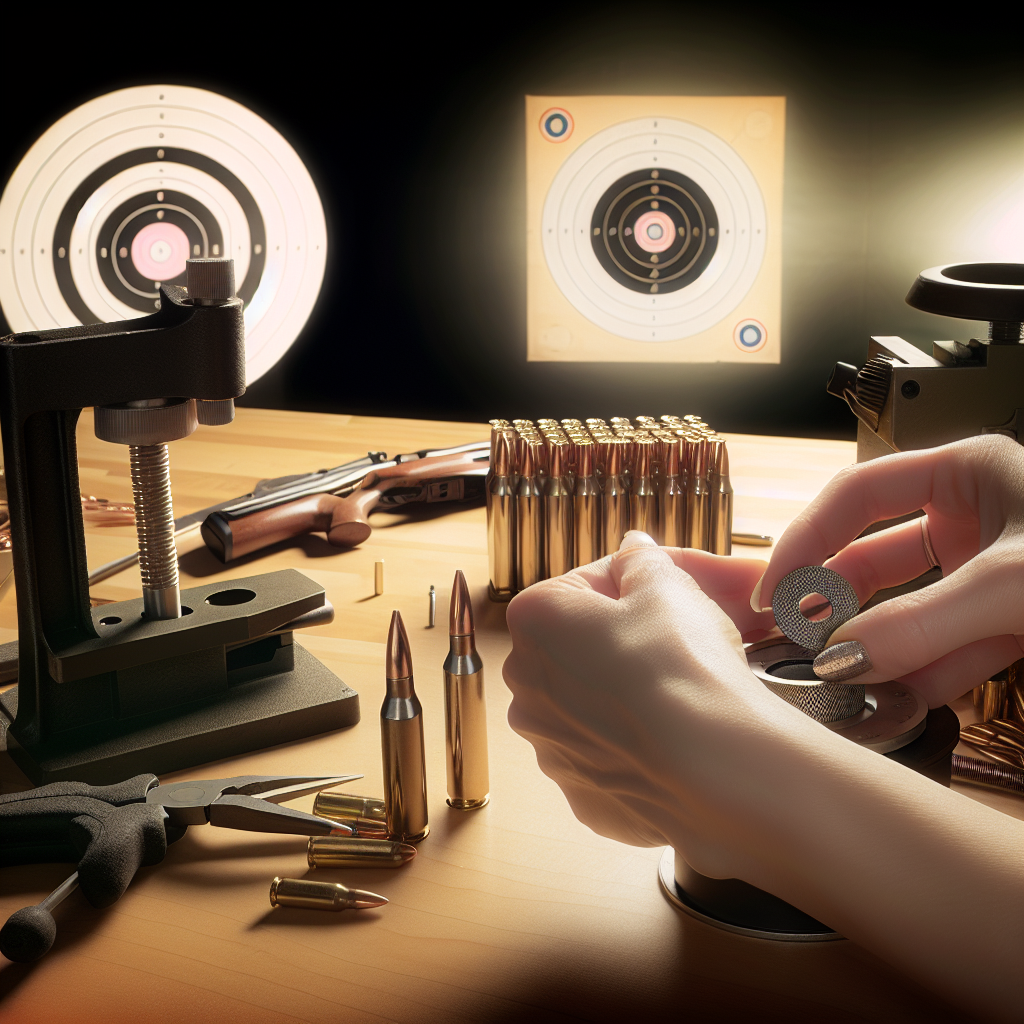
Precision target shooting is a discipline that demands an extraordinary level of accuracy, consistency, and attention to detail. Whether competing in long-range rifle matches, benchrest shooting, or precision pistol competitions, the margin for error is razor-thin. One of the most effective ways to enhance accuracy and achieve consistent shot placement is through handloading or reloading ammunition tailored specifically to your firearm and shooting conditions.
This article delves into the intricate world of reloading for precision target shooting, exploring why handloading matters, key components involved, techniques to improve performance, and practical examples that highlight its benefits.
Why Reloading Matters in Precision Target Shooting
Factory ammunition is manufactured to meet general specifications that balance performance, safety, and cost for a broad range of firearms and shooters. However, this one-size-fits-all approach often falls short when it comes to achieving the extreme precision required in competitive target shooting.
Reloading offers several critical advantages:
- Customization: Tailoring loads to specific firearms allows shooters to optimize velocity, pressure, and bullet seating depth for their rifle or pistol’s unique characteristics.
- Consistency: Handloads can be produced with minimal variation in powder charge weight, bullet seating depth, and primer ignition—leading to tighter groupings on target.
- Cost Efficiency: Although initial investment in equipment may be high, reloading often reduces ammunition costs over time, especially for high-volume shooters.
- Access to Specialty Components: Reloaders can select from a wide array of bullets, powders, and primers not always available in factory ammo tailored for precision shooting disciplines.
A study by the National Rifle Association (NRA) found that competitive shooters who reload their own ammunition improve their average group size by approximately 20-30% compared to those using factory ammo—a significant difference at distances beyond 300 yards.
The Essential Components of Precision Reloading
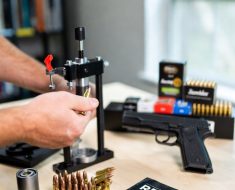
Reloading ammunition involves assembling four main components: the cartridge case, primer, powder charge, and bullet. Each element plays a crucial role in achieving precision accuracy.
Cartridge Cases
The brass case houses all other components and must be properly prepared for reloading. Key considerations include:
- Case Quality: High-quality brass with uniform wall thickness improves consistency. Cases from reputable manufacturers like Lapua or Hornady are preferred among precision shooters.
- Case Life: Cases undergo repeated stress during firing and resizing; monitoring case head expansion and neck thickness is critical to maintaining safety and accuracy.
- Case Preparation: Proper cleaning, resizing with high-quality dies (such as full-length or neck sizing), trimming cases to consistent length, and chamfering the case mouth all contribute to uniform bullet seating and pressure consistency.
Primers
The primer ignites the powder charge when struck by the firing pin. Primer choice affects ignition consistency and pressure curves:
- Cup Hardness: Softer primers can ignite slower-burning powders more reliably; harder primers are better suited for faster powders used in certain cartridges.
- Brand Consistency: Using primers from consistent lots or brands reduces variation. Popular brands include CCI Small Rifle Primers or Federal Gold Medal Match primers favored by many precision shooters.
Powder Charges
The powder charge provides the energy propelling the bullet downrange. In precision reloading:
- Select Appropriate Powder: Powders with consistent burn rates like Hodgdon Varget or IMR 8208 XBR are commonly chosen for target loads due to their temperature stability and clean burning properties.
- Charge Weight Consistency: Measuring powder charges with a high-precision scale accurate to at least ±0.01 grains significantly reduces velocity variation (measured as standard deviation).
Bullets
The bullet’s design directly influences aerodynamics and terminal ballistics. Precision shooters focus on:
- Bore Compatibility: Selecting bullets matched closely to barrel groove diameter minimizes gas blow-by and ensures stable flight.
- Aerodynamic Profile: Boat-tail bullets with high ballistic coefficients (BC) reduce wind drift at long distances.
- Bullet Seating Depth: Seating depth affects pressure and accuracy—adjusted carefully using tools like a concentricity gauge helps achieve consistent bullet alignment with the bore axis.
The Reloading Process: Techniques for Maximizing Accuracy
The meticulous process of assembling handloads demands discipline and systematic quality control. Below are key techniques that contribute to producing match-grade ammunition suitable for precision shooting competitions.
Casing Preparation and Inspection
A well-prepared case ensures uniform ignition pressure and prevents dangerous failures. Steps include:
- Tumbling/Cleaning: Remove carbon fouling via rotary tumblers or ultrasonic cleaning systems before each reload cycle.
- Sizing & Trimming: Use high-quality dies (full-length sizing preferred) to return cases within specified dimensions; trim cases
Sizing & Trimming: Use high-quality dies (full-length sizing preferred) to return cases within specified dimensions; trim cases to ensure they fit properly in the chamber, which helps maintain accuracy and reliability.
By following these techniques, you can significantly enhance the quality of your reloads and improve your performance in precision target shooting.