Reloading for Metallic Casings: A Comprehensive Guide
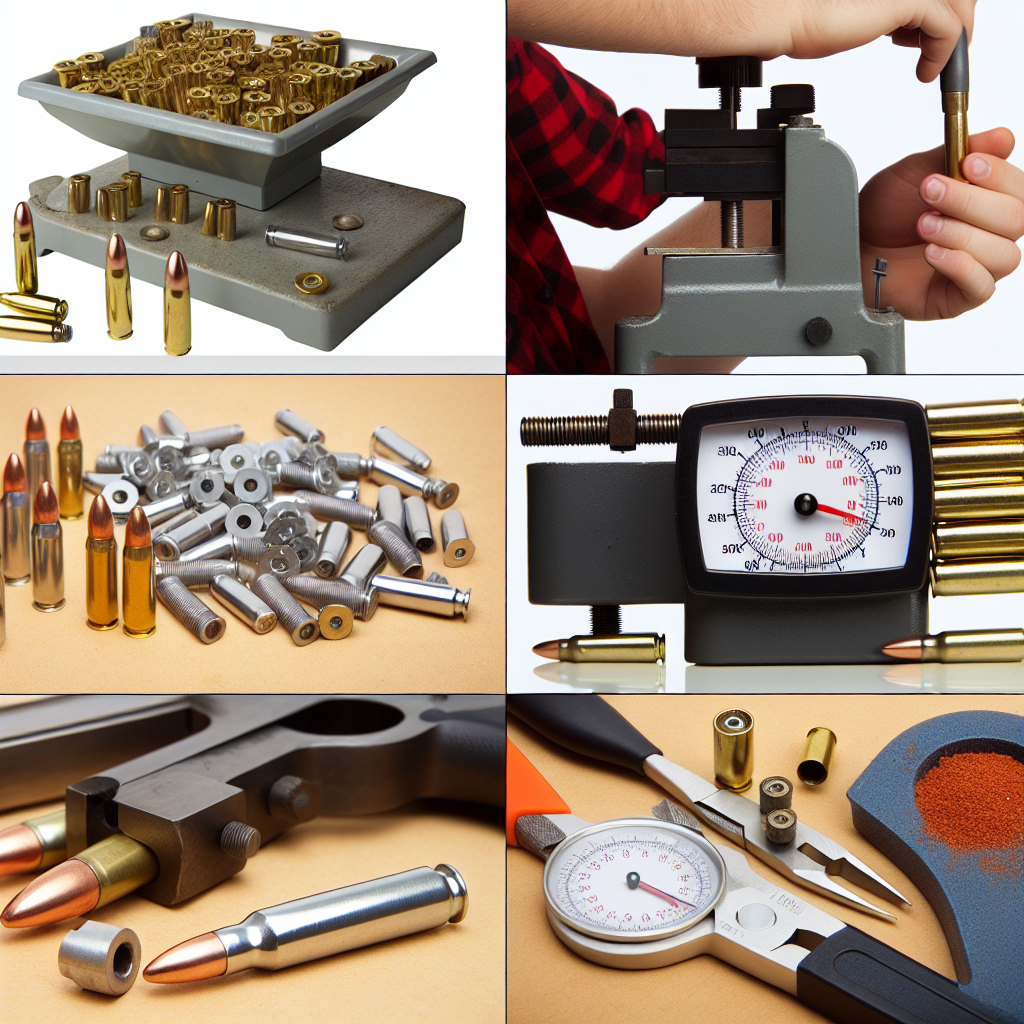
Reloading metallic casings is a craft that combines precision, knowledge, and safety to extend the life of spent ammunition components while customizing loads for specific needs. Whether you are a seasoned marksman or an enthusiastic hobbyist, understanding the intricacies of reloading metallic casings can significantly enhance your shooting experience, improve accuracy, and reduce costs.
This article delves into the essentials of reloading metallic casings, covering key concepts, tools, techniques, and safety considerations. We will also explore real-world examples and relevant statistics that highlight the benefits and challenges associated with this practice.
Understanding Metallic Casings: Types and Characteristics
Before diving into the reloading process, it is crucial to understand what metallic casings are and their role in ammunition. The casing serves as the container for the primer, powder charge, and bullet. It must withstand extreme pressures during firing and then be reused safely if reloaded.
Metallic casings are typically made from one of three materials:
- Brass: The most common material used due to its excellent ductility, corrosion resistance, and ability to withstand multiple reloads.
- Steel: Less expensive than brass but harder and less ductile; steel cases are often found in surplus ammunition but have limited reloadability.
- Aluminum: Lightweight but generally single-use due to lower strength and durability.
Example: According to a 2022 survey by the National Shooting Sports Foundation (NSSF), over 70% of reloaders prefer brass cases due to their longevity and reliability. Brass casings can often be reloaded five to ten times or more with proper care.
The Benefits of Reloading Metallic Casings
Reloading metallic casings offers several advantages that make it an appealing choice for shooters looking to optimize their ammunition use:
- Cost Savings: Ammunition prices have surged in recent years. Reloading allows shooters to reuse brass casings multiple times, significantly reducing the cost per round. For example, a bullet can cost $0.25-$0.50 each depending on caliber and type, while powder and primers add marginal additional costs per round.
- Customization: Reloaders can tailor loads based on specific firearms or shooting activities — whether it’s target shooting, hunting, or competition. Adjustments can be made in powder charge weight or bullet seating depth for optimal performance.
- Sustainability: By reusing metallic casings instead of discarding them after a single use, reloaders contribute to reducing waste and environmental impact.
- Improved Accuracy: Handloading provides precise control over every component in a cartridge which often translates into better consistency shot-to-shot compared with factory ammo.
Case Study: A report published by the International Ballistics Research Institute (IBRI) in 2023 found that competitive shooters who reload their own brass experience a 15-20% improvement in group sizes at 100 yards compared to those using factory ammo.
The Reloading Process: Step-by-Step Guide
The process of reloading metallic casings involves several critical steps. Each must be performed meticulously to ensure safety and functionality of the ammunition produced.
1. Case Inspection and Cleaning
The first step is inspecting spent brass for cracks, splits, or deformities that could cause failure during firing. Cases should also be cleaned thoroughly to remove carbon residue and dirt using ultrasonic cleaners or tumbler media such as walnut shells or corn cob grit.
2. Resizing and Depriming
The case is then resized using a resizing die which restores it to original dimensions so it will chamber correctly. This step simultaneously removes the spent primer (depriming). Proper lubrication is essential here to prevent sticking inside dies.
3. Trimming and Deburring
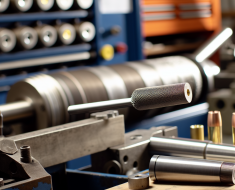
If cases have stretched during firing beyond recommended lengths (usually around .002” over SAAMI specs), they must be trimmed with a case trimmer tool. The trimmed edges are deburred inside and out for smooth bullet seating.
4. Priming
A new primer is seated into the primer pocket using either hand primers or priming attachments on presses. Primers come in various sizes (small pistol/rifle or large pistol/rifle) depending on cartridge specifications.
5. Charging with Powder
The correct type and amount of gunpowder is carefully measured using scales or automated powder dispensers. Using incorrect powder loads can lead to dangerous pressures; always refer to reputable load data manuals such as those published by Hodgdon or Alliant Powder.
6. Bullet Seating and Crimping
The bullet is seated into the case mouth at precise depths with seating dies; crimping secures it firmly in place without damaging the bullet jacket unless designed otherwise (e.g., soft lead bullets).
- Example: For .223 Remington rounds commonly used in AR-15 rifles, typical powder charges range from 24-27 grains of Varget powder with a 55-grain FMJ bullet seated at about 2.26 inches overall length.
Essential equipment for reloading includes a reloading press, dies, a scale, and a case tumbler to clean the brass. Each component plays a crucial role in ensuring safe and accurate ammunition production.
By following these steps and using the right tools, you can successfully reload metallic casings for a variety of firearms.