Reloading Ammo for Survival Situations: A Comprehensive Guide
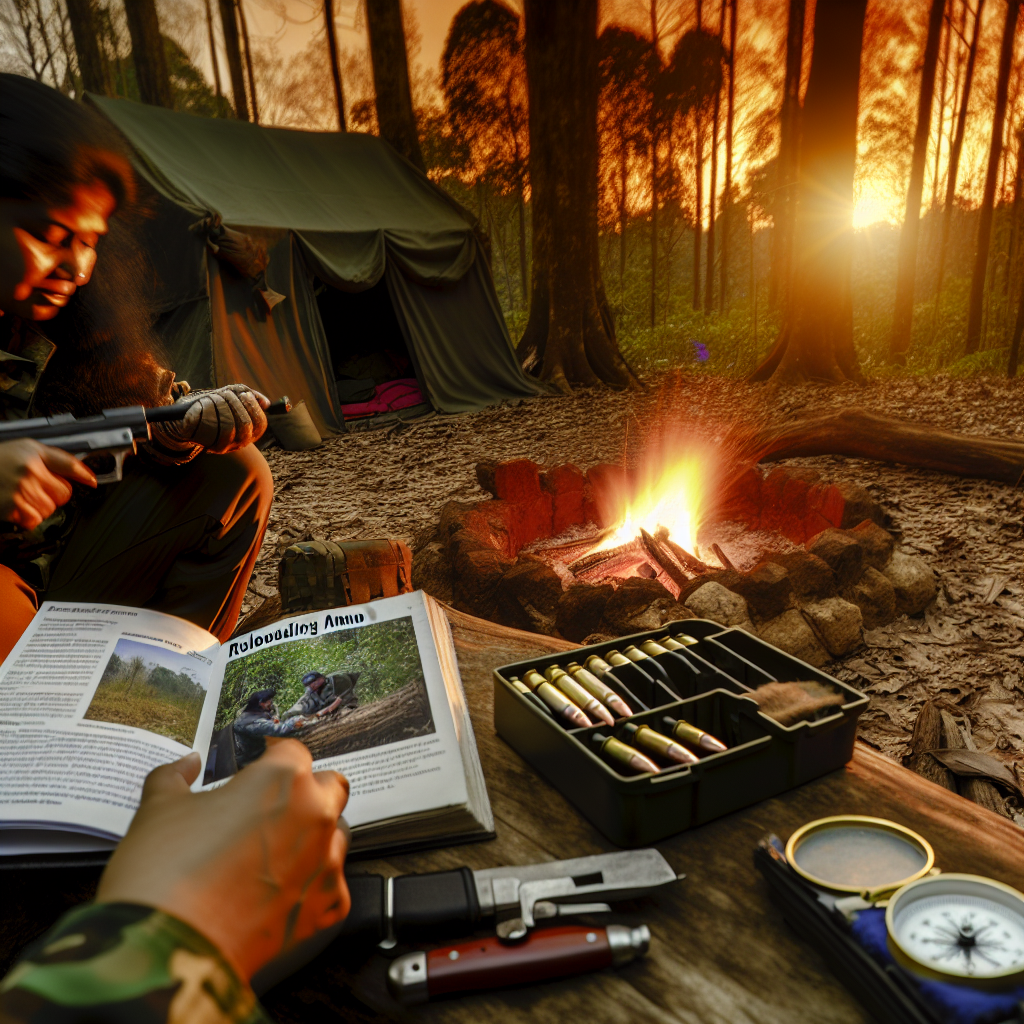
In survival scenarios, whether due to natural disasters, societal breakdowns, or remote wilderness living, reliable access to ammunition can be a critical factor in ensuring safety and self-sufficiency. Reloading ammo offers a practical and cost-effective way to maintain a steady supply of ammunition when commercial options are scarce or unavailable. This article delves into the essentials of reloading ammunition specifically tailored for survival situations, providing valuable insights, practical advice, and real-world examples to equip you with the knowledge needed to become self-reliant in challenging times.
Understanding the Importance of Reloading Ammo in Survival Contexts
In everyday life, purchasing ammunition is straightforward—visit a store or order online. However, during emergencies such as widespread civil unrest, supply chain disruptions, or long-term grid failures, ammunition availability can become severely limited. Reloading your own ammo ensures continuous access and control over your supplies.
Here are some key reasons why reloading ammo is essential for survival preparedness:
- Supply Independence: Avoid reliance on uncertain commercial supply chains.
- Cost Efficiency: Save money by recycling components instead of buying new rounds.
- Customization: Tailor loads to specific firearms and performance needs.
- Sustainability: Extend the life of components like brass casings and bullets through reuse.
- Skill Development: Gain proficiency that could be vital when professional assistance is unavailable.
A 2017 study by the National Shooting Sports Foundation (NSSF) showed that during times of political uncertainty and social unrest, ammunition sales surged by over 40%, leading to shortages. In such scenarios, reloaders were better positioned to maintain their stockpiles without interruption.
The Basics of Ammunition Reloading: What You Need to Know
Ammunition reloading involves assembling components—primarily brass cases, primers, powder, and bullets—to create functional cartridges. Understanding each component’s role and how they interact is crucial for safe and effective reloading.
Main Components of Ammunition
- Brass Cases: The reusable shell that holds all other components together. Quality brass can often be reused multiple times if properly cleaned and inspected.
- Primers: Small metal cups containing a sensitive explosive compound that ignites the powder when struck by the firing pin.
- Powder: The propellant responsible for generating gas pressure to propel the bullet out of the barrel.
- Bullets: The projectile fired from the firearm. Bullets come in various shapes and weights depending on intended use.
The reloading process generally follows these steps:
- Case Preparation: Cleaning, inspecting for defects, resizing cases using dies.
- Priming: Seating a new primer into each case’s primer pocket.
- Powder Charging: Measuring and dispensing the correct amount of powder into each case.
- Bullet Seating: Placing and securing the bullet into the case mouth at proper depth.
- Capping Off: Applying crimping if necessary to secure bullet stability during firing.
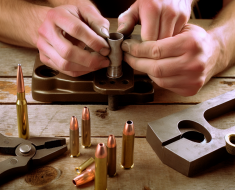
This process requires precision tools such as press machines, dies specific to cartridge calibers, scales for powder measurement, and safety equipment. Beginners should invest time in learning from reputable manuals like those published by Hodgdon or Hornady before attempting their first reloads.
The Advantages of Reloading Ammo During Survival Scenarios
The advantages of reloading ammunition extend beyond mere cost savings; they encompass strategic benefits that can be pivotal during survival situations. Below we explore these benefits in detail with supporting examples where applicable.
Sustained Firepower When Supply Lines Fail
Ammunition stockpiling is common among preppers; however, stockpiles eventually deplete without replenishment. Reloading enables survivors to convert spent casings collected from practice sessions or hunting trips into fresh rounds. For example, rural residents who hunt regularly often accumulate significant quantities of spent brass that can be recycled indefinitely with proper care.
Tactical Customization for Specific Needs
Diverse survival contexts require different ballistic performances. Reloaders can adjust powder charges and bullet types to optimize for factors such as increased stopping power or extended range accuracy. For instance, hunters may prefer heavier bullets loaded at moderate velocities for larger game defense, while close-range defensive scenarios might favor lighter loads with rapid expansion characteristics.
Cultivating Critical Skills Under Pressure
The act of reloading fosters technical skills essential not only for assembling ammo but also understanding firearm mechanics intimately—a knowledge base useful when troubleshooting weapon malfunctions under stress. A case study from Hurricane Katrina relief efforts highlighted how some residents equipped with reloading knowledge maintained their firearms operational despite severe supply shortages post-disaster (Source: Journal of Emergency Preparedness).
Cautions and Safety Considerations When Reloading Ammo
Ammunition reloading demands strict adherence to safety protocols due to inherent risks associated with handling explosives like primers and powders. Negligence can lead to accidents ranging from minor burns to catastrophic explosions.
Here, the importance of following guidelines and using proper equipment cannot be overstated. Always prioritize safety to ensure a successful reloading experience.
In conclusion, reloading ammo is a valuable skill that enhances preparedness for survival situations, but it must be approached with caution and respect for safety protocols.