How to Reload Ammo for Vintage Revolvers: A Comprehensive Guide
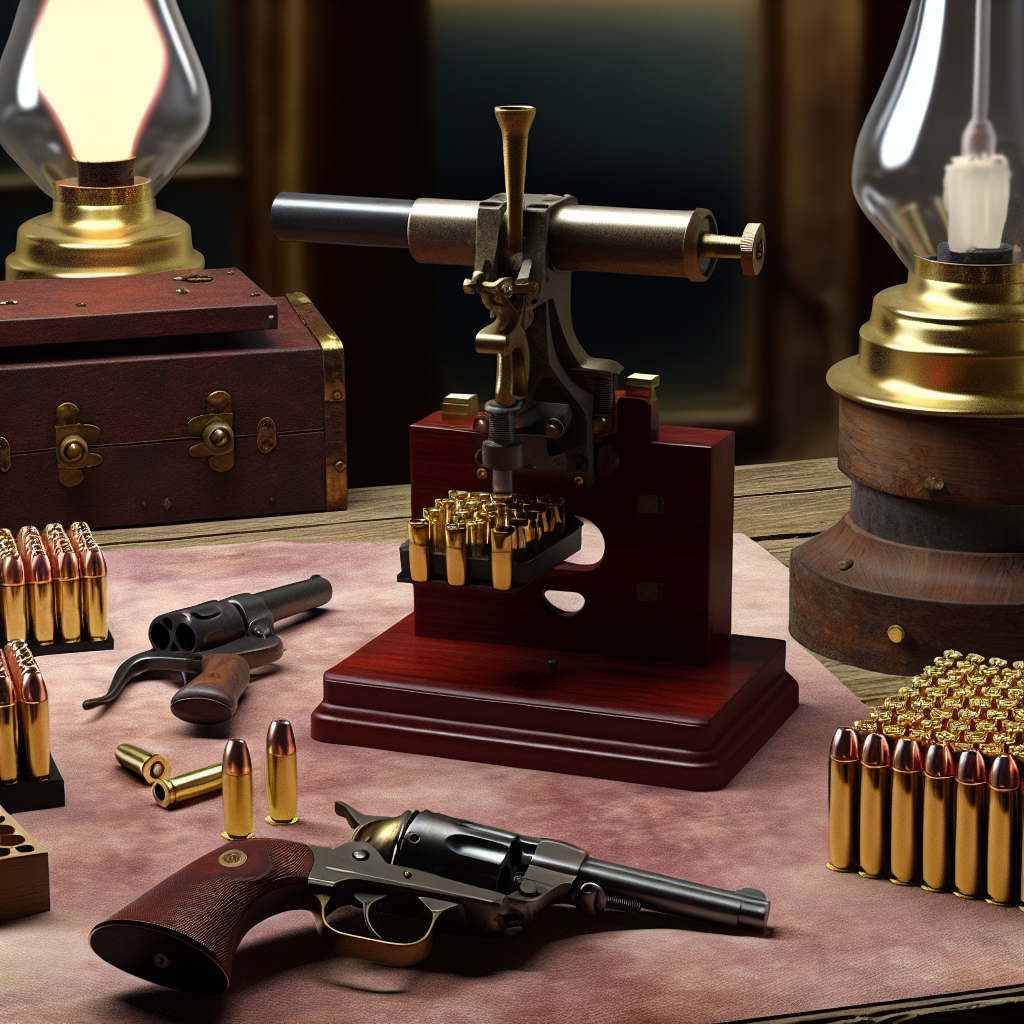
Reloading ammunition for vintage revolvers is a rewarding and practical skill that allows firearm enthusiasts to preserve the legacy and functionality of their classic firearms. Whether you own a Colt Single Action Army from the late 19th century or a Smith & Wesson Model 10 from the early 20th century, understanding how to reload ammo safely and effectively is essential. This guide will walk you through the nuances of reloading for vintage revolvers, offering valuable insights into components, safety considerations, and detailed steps to ensure optimal performance.
The Importance of Reloading Ammo for Vintage Revolvers
Vintage revolvers hold historical significance and often have sentimental value. However, factory ammunition that matches these old calibers can be scarce or expensive. Reloading offers several advantages:
- Cost-effectiveness: Reloading reduces the cost per round significantly, especially for rare calibers such as .32 S&W Long or .44 Russian.
- Customization: Handloaders can tailor loads to the specific needs of their revolver, optimizing pressure and velocity for safety and accuracy.
- Preservation: Using proper loads prevents excessive wear on delicate vintage firearms, extending their lifespan.
- Availability: Some older calibers are no longer manufactured commercially or are limited in supply.
A study by the National Shooting Sports Foundation (NSSF) found that handloading can reduce ammunition costs by up to 60% while providing tailored performance benefits. For vintage revolver owners, this means both economic and functional advantages.
Understanding Your Vintage Revolver’s Specifications
Before reloading any ammunition, it is critical to understand your revolver’s specifications thoroughly. Vintage revolvers vary widely in design, chamber pressure limits, and bore dimensions.
- Identify Caliber and Chamber Size: Consult your firearm’s manual or reputable databases such as SAAMI (Sporting Arms and Ammunition Manufacturers’ Institute) to confirm exact caliber specifications. For example, a Colt Single Action Army might chamber .45 Colt rounds with specific case dimensions.
- Check Maximum Pressure Ratings: Older firearms were designed for lower pressure cartridges than modern equivalents. For instance, the .38 Special used in many early Smith & Wesson revolvers has a maximum average pressure of around 17,000 psi, while modern +P loads exceed this.
- Inspect Barrel Condition: Measure bore diameter and check rifling wear. Excessive wear can impact bullet fit and accuracy; custom bullet sizing may be necessary.
A practical example involves the .44 Russian cartridge used in early Smith & Wesson Model 3 revolvers. Modern .44 Special or .44 Magnum rounds operate at pressures unsafe for these guns. Reloaders must use reduced charges with lead bullets sized precisely for the barrel’s groove diameter.
Selecting Components Suitable for Vintage Revolvers
The choice of components—cases, primers, powders, and bullets—is paramount when reloading for vintage revolvers. Each element affects safety, performance, and longevity.
Cases
For authentic reloading, use cases that match your revolver’s caliber exactly. Brass cases are preferred due to their durability and reloadability. Consider these points:
- Avoid using modern high-pressure cases if your revolver cannot handle them.
- If factory brass is scarce (e.g., .32 S&W), consider forming cases from similar calibers under expert guidance.
Primers
The primer type must be compatible with your powder charge and case design. Small pistol primers are common in calibers like .32 S&W; large pistol primers suit larger calibers such as .45 Colt. Always verify primer sensitivity with your powder manufacturer’s data sheets.
Powders
Select powders that burn cleanly at low pressures suitable for vintage guns:
- Spherical powders, like Hodgdon Titegroup or Winchester 231, offer consistent burning rates ideal for moderate velocities.
- Pistol powders, such as Alliant Unique or Bullseye, provide versatility but require precise charge measurement.
Bullets
Bearing in mind barrel condition and intended use (target shooting vs. hunting), choose bullet types carefully:
- Lead round nose (LRN): Traditional choice offering gentle engagement with rifling and reduced barrel wear.
- Semi-wadcutter (SWC): Offers improved accuracy and cleaner target holes; popular among cowboy action shooters.
- Copper-jacketed bullets: Suitable only if barrel condition permits higher pressures; generally not recommended for fragile vintage barrels unless properly tested.
The Step-by-Step Process of Reloading Ammo for Vintage Revolvers
This section outlines an organized approach to safely reload ammunition tailored to your vintage revolver’s needs.
1. Case Preparation
-
Inspect each brass case for cracks or deformities; discard any damaged ones to avoid catastrophic failures during firing.
-
Resize cases to ensure they fit properly in the chamber, following the manufacturer’s specifications. This is crucial for maintaining safety and performance.
By following these steps, you can safely and effectively reload ammo for your vintage revolver, ensuring a reliable shooting experience.