Reloading Safety: Essential Rules for Every Reloading Room

Reloading ammunition is a rewarding and cost-effective hobby for many firearm enthusiasts, but it also demands a high level of responsibility and attention to safety. Proper reloading practices not only ensure the longevity and accuracy of your ammunition but also protect you and those around you from potentially life-threatening accidents. This article delves into the essential safety rules that every reloading room must uphold, supported by real-world examples, expert recommendations, and practical advice.
The Importance of Safety in Reloading
Reloading involves working with explosive materials such as gunpowder and primers, which are inherently dangerous if mishandled. According to the Bureau of Alcohol, Tobacco, Firearms and Explosives (ATF), improper handling of reloading components can result in fires, explosions, and serious injuries. In fact, a study published by the Journal of Occupational Medicine noted that 70% of accidents related to reloading were due to unsafe handling or negligence.
Every reloader should recognize that safety is not just about protecting oneself but also about maintaining a safe environment for family members, friends, and neighbors. Reloading rooms must be designed and operated with strict adherence to safety protocols to minimize risks.
Setting Up Your Reloading Room: Environment and Organization
The foundation of safe reloading begins with an appropriately designed workspace. The physical environment significantly impacts how safely you can perform your tasks.
- Dedicated Space: Your reloading room should be a separate area from general living spaces to reduce distractions and contain any potential hazards.
- Ventilation: Good ventilation is crucial to prevent accumulation of powder dust or primer residue, which can be highly flammable. Installing an exhaust fan or air purifier helps maintain air quality.
- Lighting: Adequate lighting reduces errors during measurement and assembly. Consider using adjustable LED lamps focused on your workspace.
- Organization: Keep powders, primers, cases, and tools well-organized using labeled storage bins or cabinets. Avoid mixing different powders or primers in the same container.
- No Smoking or Open Flames: This cannot be overstated—never smoke or allow any open flames near your reloading area. Even static electricity can ignite powders.
A well-maintained reloading room sets the stage for disciplined operations and reduces the likelihood of accidents caused by clutter or poor environmental conditions.
Essential Equipment Safety Practices
Your equipment is only as safe as the way you use it. Improper use or maintenance can lead to malfunctions that may cause accidents or defective ammunition.
- Regular Inspection: Routinely check presses, dies, scales, powder measures, and other tools for wear or damage. Replace any faulty parts immediately.
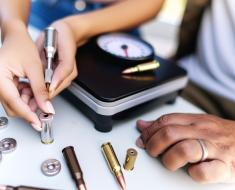
- Calibrated Scales: Precision is key when measuring powder charges. Use high-quality digital scales calibrated regularly to avoid overcharging or undercharging rounds.
- Use Only Recommended Components: Follow manufacturer guidelines strictly regarding powders, primers, bullet weights, and case types compatible with your firearm’s specifications.
- Avoid Overcharging: Overcharging powder can cause catastrophic failures upon firing. Always verify loads against trusted manuals such as those from Hodgdon or Lyman.
- No Mixing Powder Types: Never combine different powders in the same container or charge; this can result in unpredictable burn rates leading to dangerous pressures.
An illustrative case comes from a report published by the National Shooting Sports Foundation (NSSF), highlighting an accident where a reload failed due to an overcharged round resulting from scale miscalibration. The incident caused severe damage to both firearm and shooter injuries—an avoidable tragedy had proper equipment checks been performed.
The Critical Role of Primer Handling
Primers are one of the most sensitive components in ammunition reloading. They contain small amounts of explosive material that ignite the powder charge when struck by the firing pin. Mishandling primers can lead to accidental detonations during loading or storage.
- Avoid Static Electricity: Always ground yourself before handling primers by touching a metal object connected to earth ground to dissipate static charges that could ignite primers accidentally.
- No Excessive Force When Seating Primers: Use proper primer seating tools designed for consistent pressure; excessive force can crush primers causing premature ignition risks.
- Store Primers Properly: Keep primers in their original packaging within cool, dry environments away from heat sources or impact-prone areas.
- No Loose Primers on Work Surfaces: Avoid spilling loose primers; if spilled clean them up carefully using soft brushes instead of vacuum cleaners which might create sparks.
A documented incident by an experienced reloader involved an accidental primer detonation caused by improper seating pressure combined with static buildup—resulting in minor injury but underscoring why strict primer protocols are essential for all reloaders regardless of experience level.
Avoiding Common Reloading Mistakes: Best Practices
Mistakes during any step of the reloading process can have serious consequences. Understanding common pitfalls helps reloaders implement strategies that minimize risk while improving consistency and accuracy.
-
Mismatched components can lead to dangerous malfunctions, so always double-check that your brass, bullets, and powder are compatible.
By adhering to these essential safety rules, reloaders can create a safer and more efficient reloading environment.