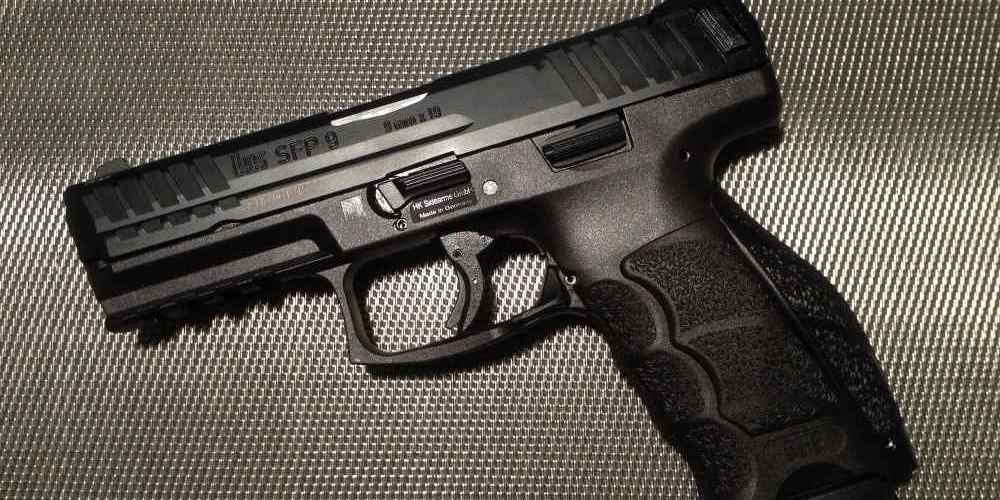
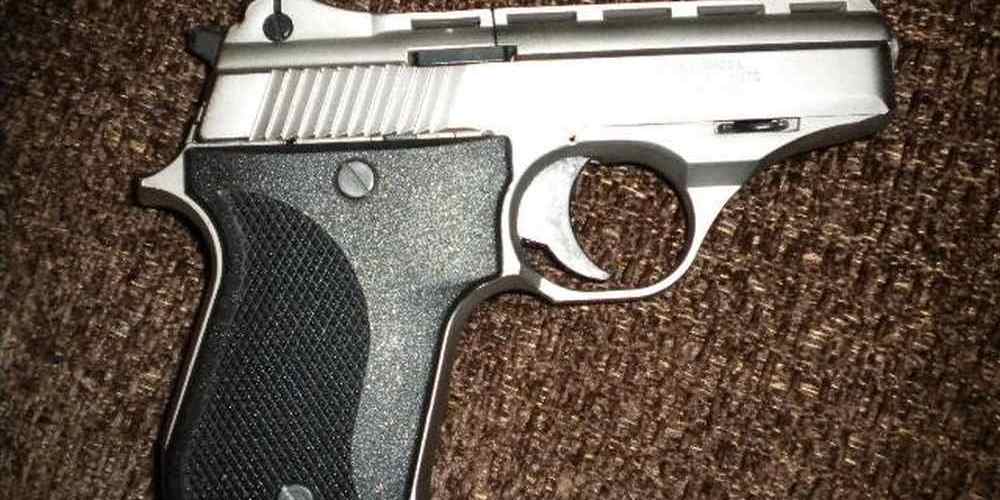
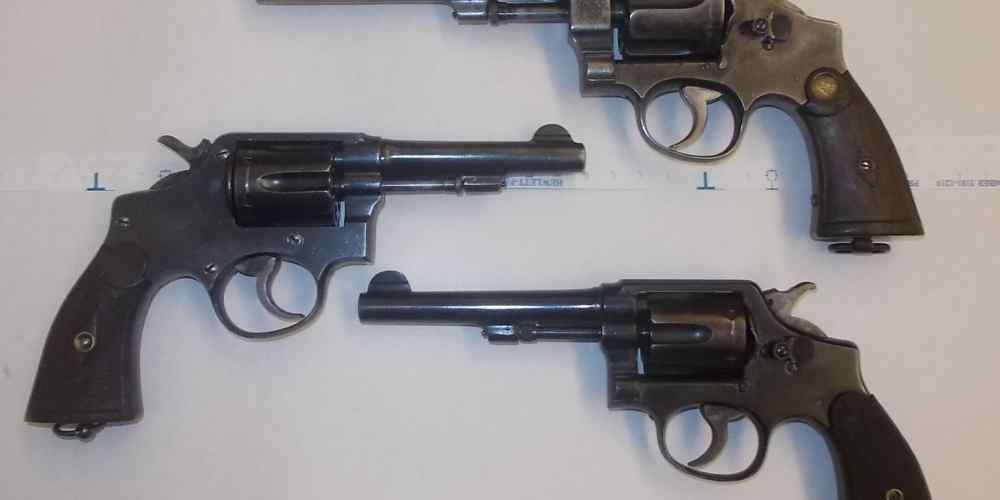
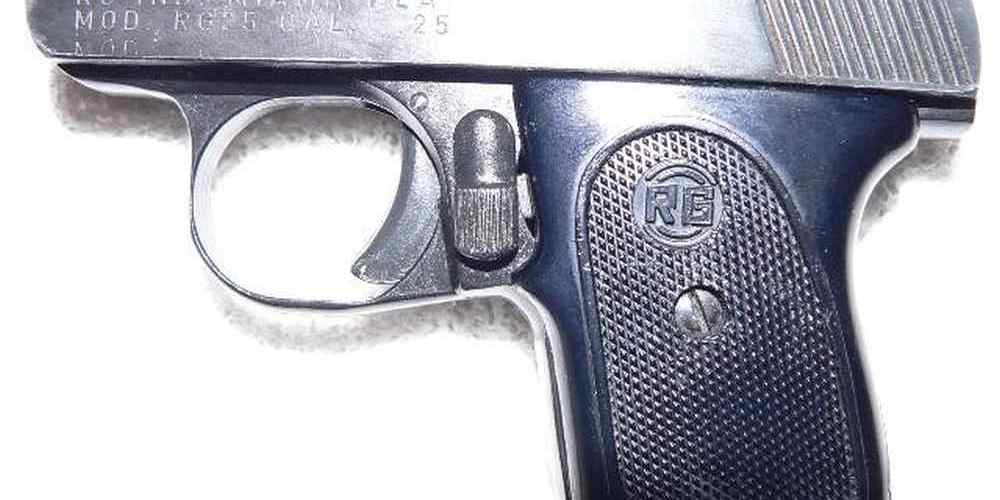
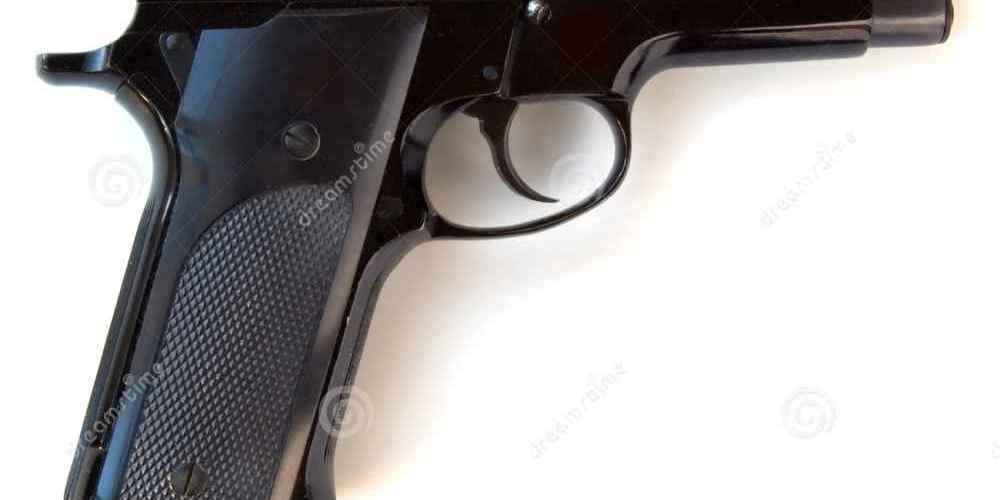
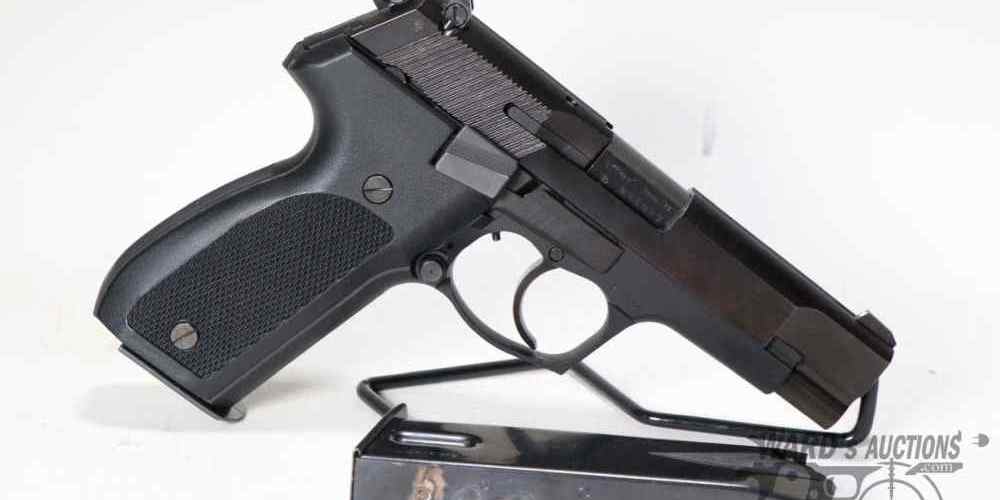
Cheap handgun barrels often look fine on the outside, but accuracy is built on details you cannot always see. When a barrel is made with softer steel, inconsistent rifling, or loose tolerances, the firearm may shoot acceptably at first and then begin opening up groups much sooner than a quality barrel would. For responsible gun owners, understanding why this happens helps explain when a barrel needs attention, why maintenance matters, and why paying for better manufacturing can save money over time.
Why Low-Cost Barrels Wear Out Accuracy Quickly
A handgun barrel’s main job is to guide each bullet consistently from chamber to muzzle, and that consistency depends on how precisely the bore, chamber, and crown are made. Low-cost barrels often start with wider manufacturing tolerances, which means small imperfections in alignment, rifling depth, or crown symmetry can affect how the bullet exits the muzzle. Even if the pistol functions reliably, those tiny inconsistencies can show up as flyers, larger groups, and less predictable point of impact.
Cheap barrels also tend to lose accuracy faster because they may not resist erosion as well at the throat and forcing areas, where hot gas and friction do the most damage. Over time, repeated firing can round off rifling edges, roughen the bore, and alter the way the bullet engages the lands and grooves. In practical terms, that means a pistol may still run safely but no longer deliver the repeatable precision a shooter expects for defensive practice, competition, or careful range work.
Another common issue is crown durability. The muzzle crown is critical because it is the last surface to touch the bullet, and any nick, uneven wear, or poor machining can disturb the bullet as it leaves the barrel. In older surplus pistols and budget commercial firearms alike, a rough crown or a barrel that was never finished well can lose accuracy early, which is why competent inspection and proper cleaning are so important for anyone trying to keep a handgun shooting well.
How Materials and Machining Affect Barrel Life
The steel itself matters a great deal. Better handgun barrels are typically made from carefully selected barrel steel that balances hardness, toughness, and resistance to heat and wear, while cheaper barrels may use lower-grade material or less controlled heat treatment. If a barrel is too soft, rifling erodes more quickly; if it is brittle or improperly treated, tiny cracks or surface damage can develop. Either way, the result is reduced consistency and a shorter useful accuracy life.
Machining quality is just as important as the base material. Hammer forging, broaching, button rifling, and cutting methods can all produce excellent barrels when done well, but budget production often sacrifices finish quality, inspection time, or consistency from barrel to barrel. Tool marks, chatter, uneven rifling depth, and imperfect chamber alignment can all influence how a bullet seals the bore and exits the muzzle, which is why two barrels from the same brand can perform very differently if quality control is weak.
Heat, fouling, and maintenance also interact with material quality. A poorly finished bore tends to collect fouling faster, and that buildup can accelerate wear by increasing friction and trapping abrasive residue. Responsible owners should follow the manufacturer’s cleaning guidance, avoid aggressive scrubbing that damages the bore, and inspect the crown and chamber regularly; if accuracy suddenly changes, it may be a sign of wear, damage, or ammunition-related issues rather than a need for guesswork. In the long run, investing in a well-made barrel from a reputable maker usually means better accuracy retention, greater confidence, and more dependable performance for safe, lawful use.
Cheap handgun barrels lose accuracy fast because small flaws in steel, machining, and finishing add up under heat and pressure. A pistol can be reliable yet still become less precise long before the rest of the gun shows obvious wear. For shooters who value defensible accuracy, regular inspection, proper cleaning, and choosing quality components from reputable manufacturers are practical ways to protect performance and safety.