Why Most Handgun Owners Never Check Their Firing Pin
For many handgun owners, routine cleaning means wiping down the slide, brushing the bore, and checking magazines and springs. The firing pin, however, often gets overlooked until a malfunction happens. That gap in maintenance is understandable, but it is also one of the most common blind spots in responsible firearm ownership. A handgun may look clean and function fine on the outside while the firing pin channel quietly collects debris, wear, and residue that can affect reliability. For anyone who depends on a firearm for self-defense, hunting, or range use, understanding this small part is part of owning the whole system responsibly.
Why Firing Pins Go Unchecked in Handguns
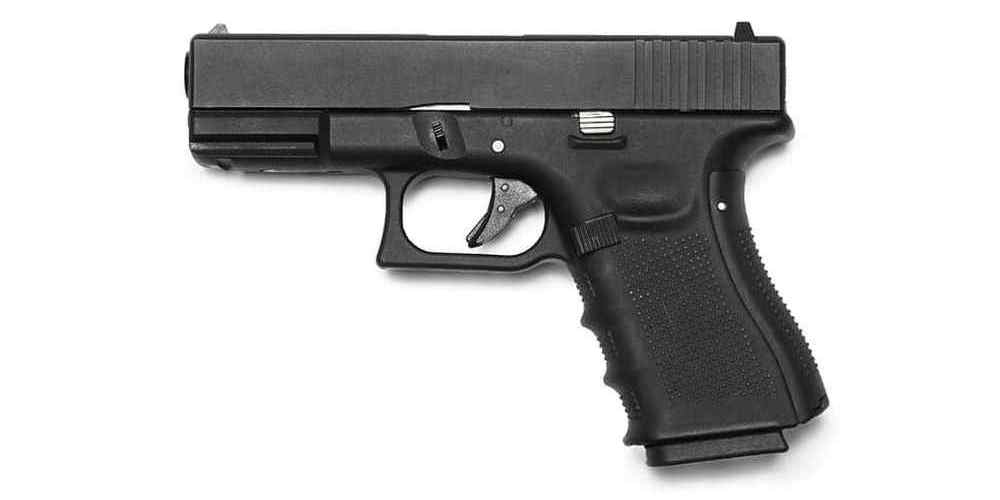
Most handgun owners never check their firing pin because the part is usually hidden deep inside the slide or frame, depending on the design. Unlike visible components such as sights, grips, or recoil springs, the firing pin is not something that naturally draws attention during a quick cleaning session. Many shooters fieldstrip their pistols, wipe accessible surfaces, and stop there, especially if the gun has been running well. In practical terms, “no visible problem” often becomes “no reason to inspect,” even though hidden parts can wear just as much as exposed ones.
Another reason is simple unfamiliarity. Plenty of owners can clean a handgun safely without fully understanding striker-fired systems, firing pin blocks, retaining plates, or channel liners. On some models, especially modern striker-fired pistols, the firing pin assembly is compact and not meant to be disassembled casually without the correct procedure. That can make the part feel more like a factory-sealed component than a maintenance item. The result is that owners may trust the manufacturer’s design enough to assume the firing pin will last indefinitely, even though every mechanical part has limits.
There is also a cultural factor. Many gun owners learn maintenance habits from range buddies, family members, or online videos, and those routines often emphasize the easiest steps first. If a firearm continues to ignite primers and cycle normally, inspection habits can become reactive rather than preventive. Historically, older service pistols and revolvers demanded more hands-on attention, but modern enclosed systems have encouraged the idea that internal parts are “set and forget.” Good engineering reduces maintenance, but it never eliminates the need for it.
The Hidden Risks of Skipping Inspection
The most obvious risk is a reliability problem at the exact moment a firearm is needed. A dirty, damaged, or excessively worn firing pin can cause light strikes, intermittent misfires, or failures to ignite certain primers. In a range setting, that may mean frustration and wasted ammunition. In a defensive context, it can mean a dangerous delay or a complete failure to fire when seconds matter. Even a handgun that has been flawless for years can develop issues if the firing pin channel accumulates fouling, oil, lint, or microscopic wear.
A less visible but equally important concern is safety. The firing pin system is part of a larger network that includes the firing pin spring, blocks, safeties, and slide internals. If any of those components are compromised, the gun may not behave as intended. While modern handguns are designed with multiple safety features, neglect can create conditions that interfere with proper function. Excess lubricant, debris, or a damaged retaining component can contribute to inconsistent ignition or unexpected mechanical behavior, which is why inspection should be done carefully and only with the firearm unloaded and verified safe.
Regular inspection also helps owners spot small problems before they become expensive repairs. A slightly peened firing pin tip, a weakened spring, or an unusual burr in the channel can often be corrected early by a qualified gunsmith or by replacing a wear item with an appropriate factory or high-quality part. That is where product awareness matters: not every replacement part is equal, and a firearm enthusiast should prioritize compatibility, correct specifications, and reputable sources. Responsible ownership means knowing when to replace, when to clean, and when to seek professional help rather than forcing a repair beyond one’s skill level.
The firing pin may be small, but it plays a major role in whether a handgun performs safely and reliably. Most owners skip it not out of negligence, but because it is hidden, unfamiliar, and easy to assume is fine until proven otherwise. A few minutes spent learning your firearm’s internal design, following the manufacturer’s maintenance guidance, and inspecting wear-prone parts can pay off in confidence and dependability. In the end, checking the firing pin is not about obsessing over every detail; it is about practicing the kind of thorough, responsible ownership that every serious gun owner should value.