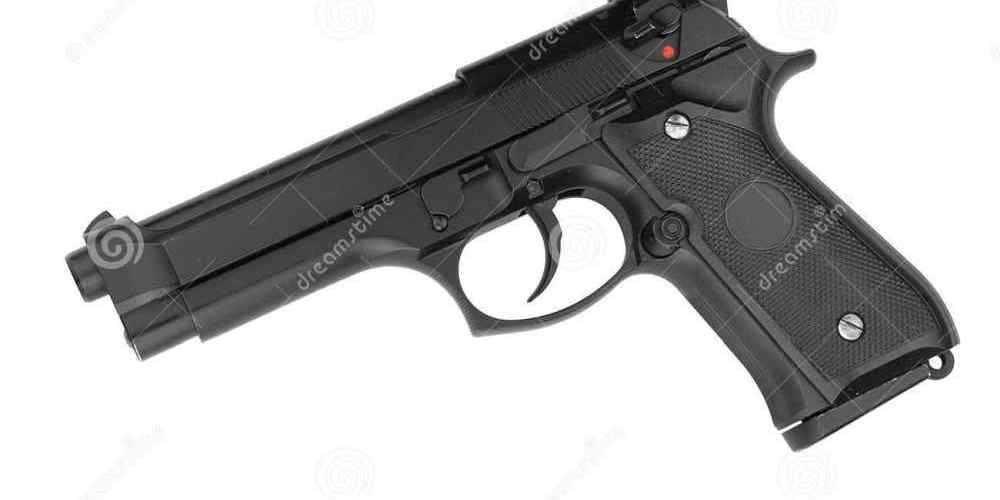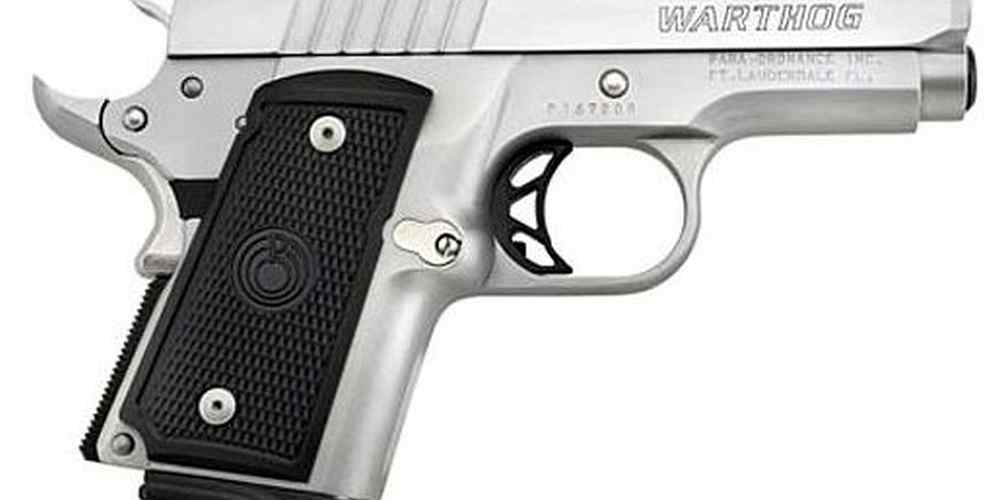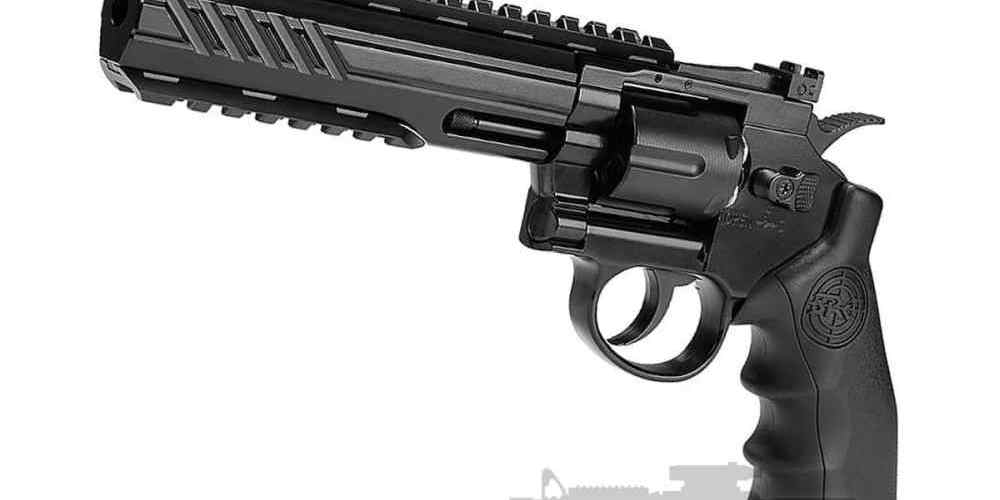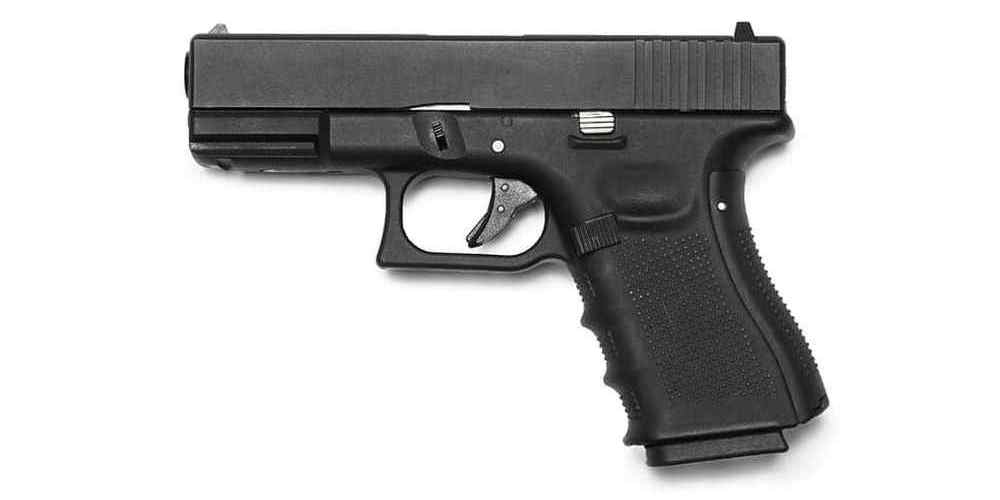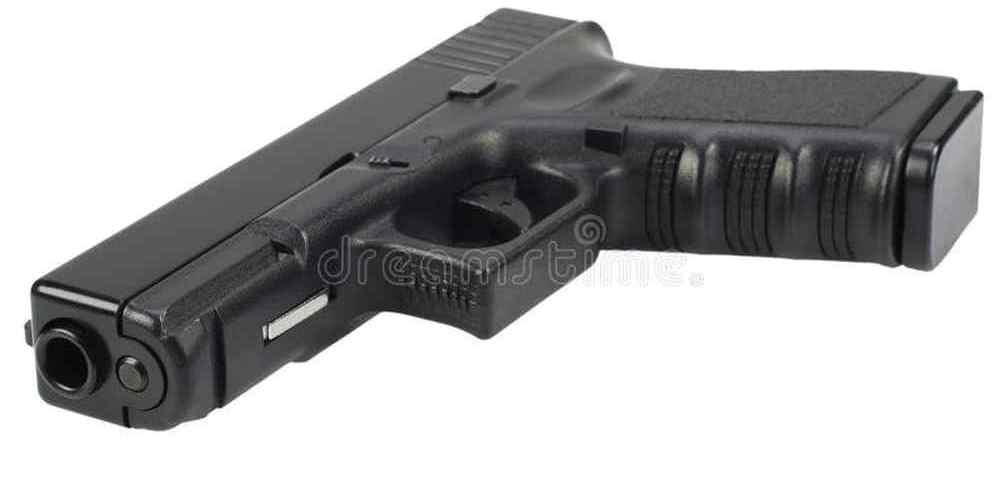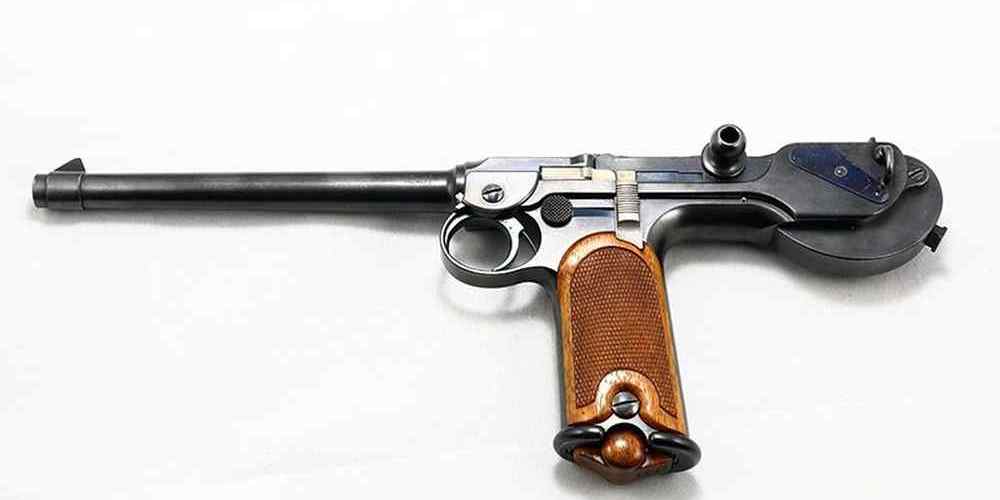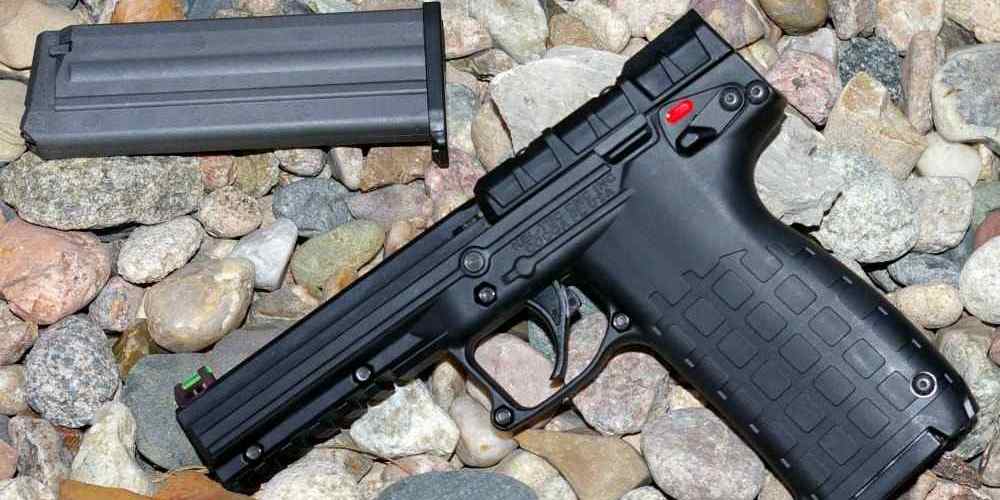
Handgun recoil buffers are one of those small upgrades that spark a lot of debate at the range, yet they have a very practical purpose: reducing the impact of slide-to-frame battering over time. For shooters who run a handgun regularly—whether for training, competition, or lawful self-defense practice—frame wear is not just a cosmetic issue. It can affect long-term reliability, consistency, and in some cases the service life of the firearm itself. Used correctly, a recoil buffer can be a simple, inexpensive way to soften that impact, but it is not a universal fix and it is not appropriate for every pistol. Understanding what these buffers do, and what they do not do, is the key to using them responsibly.
How Recoil Buffers Help Cut Frame Wear
A recoil buffer is typically a small pad or insert placed on the recoil spring guide rod or in the slide’s recoil path, depending on the handgun design. Its job is straightforward: absorb some of the energy when the slide comes to the end of its rearward travel. In a traditional semi-automatic handgun, the slide cycles violently during firing, and that repeated metal-on-metal contact can slowly peen locking surfaces, batter the frame rails, and accelerate general wear. A buffer acts like a cushion, reducing the sharpness of that impact and spreading the force over a slightly longer interval.
This idea is not new. Firearms designers and armorers have long looked for ways to tame recoil impulse and protect critical parts, especially in pistols that see heavy use. Recoil springs themselves are the primary defense, but buffers became popular as an additional layer of protection, particularly in high-round-count guns and some competition setups. For shooters who practice often, the appeal is obvious: anything that helps preserve the frame and slide interface may extend the useful life of the pistol, especially on older designs or models with a reputation for hard recoil.
That said, a buffer is not a magic shield. It can reduce wear in certain areas, but it can also introduce new variables. If the buffer is too thick, too soft, or poorly fitted, it may shorten slide travel, affect feeding, or interfere with lock-back. Some handguns are engineered with very tight tolerances, and even a small change in recoil dynamics can affect reliability. Responsible gun owners should always test any buffer at the range with the exact ammunition they intend to use, and they should inspect the pistol regularly for signs of abnormal wear or cycling issues.
Choosing the Right Buffer for Your Handgun
The first rule in choosing a recoil buffer is compatibility. Different handguns have different recoil systems, and a buffer that works well in one model may be completely unsuitable in another. Full-size steel-framed pistols, compact polymer guns, and pistols with captive recoil assemblies all behave differently under recoil. Before buying anything, check the manufacturer’s guidance, consult a reputable gunsmith if needed, and confirm that the buffer is designed specifically for your firearm model or platform.
Material quality matters just as much as fit. Recoil buffers are commonly made from polymers, synthetic elastomers, or other shock-absorbing materials. Softer buffers may reduce impact more noticeably, but they may also wear out faster and require more frequent replacement. Harder materials tend to last longer but may offer less cushioning. A good choice balances durability, reliable cycling, and realistic round-count expectations. For handguns used defensively, reliability should always outrank minor reductions in felt wear. If a buffer compromises feeding or slide lock, it is the wrong buffer.
It is also wise to think in terms of maintenance, not just installation. Even a quality buffer is a consumable part, and it should be inspected for compression, cracking, deformation, or shifting during routine cleaning. Many shooters mark buffer replacement intervals based on round count, especially in high-volume training guns. And while buffers can help reduce frame wear, they should be paired with other sensible maintenance habits: replacing recoil springs on schedule, keeping the handgun properly lubricated, and watching for unusual peening or frame damage. In the end, the best buffer is the one that preserves the pistol without altering the dependable function you count on.
Recoil buffers can be a smart, practical accessory for the right handgun and the right shooter. When chosen carefully, they may soften slide impact, reduce frame battering, and help a well-used pistol stay in service longer. But they should always be treated as a support measure—not a substitute for proper maintenance, correct spring selection, and regular inspection.
For firearm owners who value longevity and reliability, the real “trick” is not simply adding a buffer. It is understanding your handgun’s recoil system, testing any modification responsibly, and prioritizing safe, dependable function above all else. That approach protects both the firearm and the shooter, which is exactly what responsible gun ownership is about.