Tips for Shooting in Different Weather Conditions
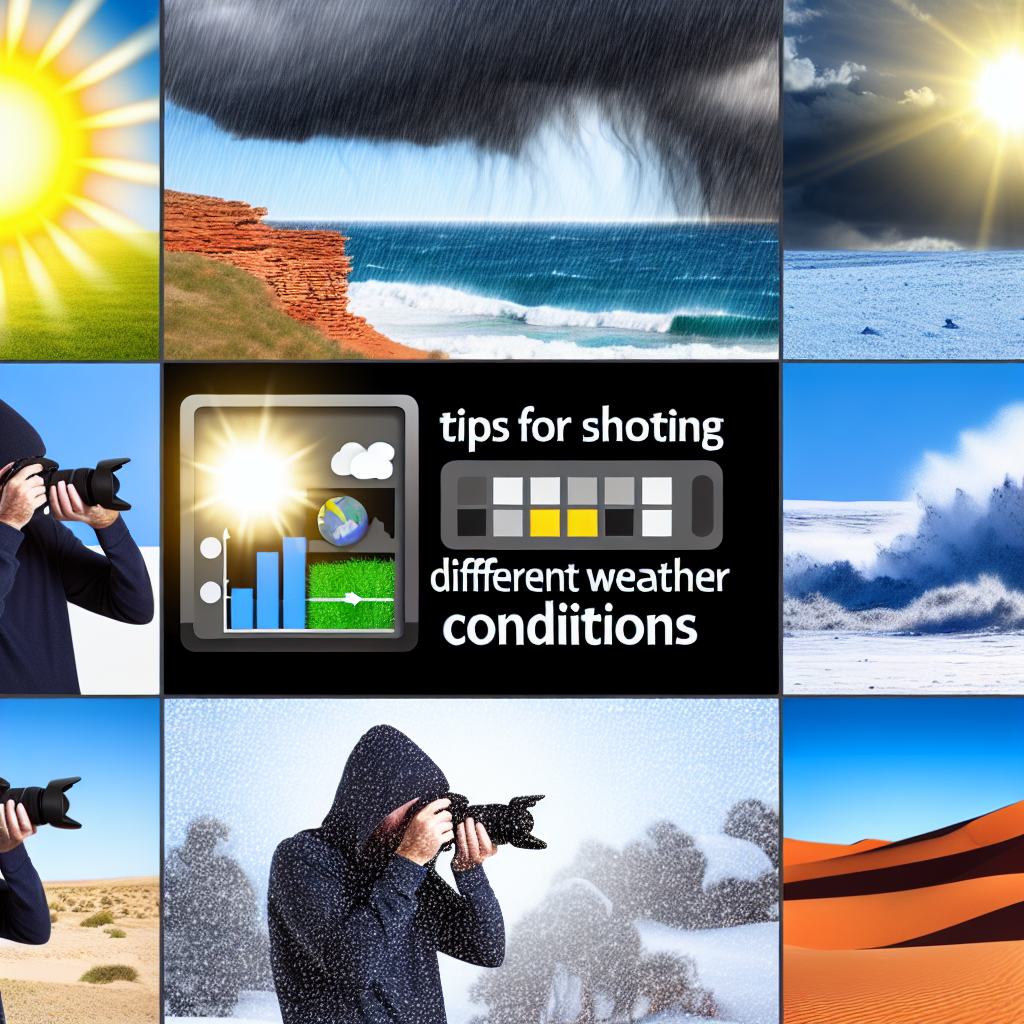
Photography is an art that challenges both creativity and technical skill, especially when shooting in varying weather conditions. Weather can dramatically influence the mood, lighting, and overall aesthetic of your images. While many photographers prefer clear skies and perfect lighting, some of the most compelling shots come from adapting to less-than-ideal weather. Understanding how to work with rain, fog, snow, or harsh sunlight can elevate your photography and open new avenues for artistic expression.
In this article, we’ll explore practical tips and techniques for shooting in different weather conditions. From protecting your gear to mastering exposure, these insights will help you capture stunning images regardless of what Mother Nature throws at you.
1. Shooting in Rain: Embrace the Drama with Protection and Creativity
Shooting in rainy weather offers a unique opportunity to capture reflections, textures, and moods that are impossible on sunny days. The glistening wet surfaces and diffused light create a naturally dramatic atmosphere.
Protect Your Gear:
-
Use rain covers or waterproof camera bags to shield your equipment from water damage.
-
Consider using a lens hood to prevent raindrops from hitting your lens directly.
-
Microfiber cloths or lens wipes should be handy to clear any moisture off your lens quickly.
Creative Tips:
-
Look for puddles and wet streets that reflect neon signs, city lights, or colorful umbrellas — these reflections add depth and interest.
-
Shoot with a wide aperture (e.g., f/2.8) to create a shallow depth of field where raindrops appear as bokeh highlights.
-
Use slower shutter speeds (1/15s or slower) to capture the motion blur of falling rain; this adds dynamic energy to your photos.
-
Black and white photography can amplify the moody atmosphere typical of rainy days.
Case Study: Renowned street photographer Alex Webb often shoots during rainy conditions in cities like New York and Mexico City. His use of reflections on wet pavement creates layered compositions that tell complex visual stories. This approach shows how rain can become a creative asset rather than an obstacle.
2. Shooting in Snow: Harnessing Brightness and Texture While Managing Exposure
Snow transforms landscapes into pristine white canvases but presents unique challenges due to its brightness and cold conditions. Snow scenes can result in underexposed or overexposed images if not handled carefully.
Exposure Tips:
-
Use exposure compensation (+1 to +2 stops) since cameras tend to underexpose snowy scenes by default, making snow appear gray instead of white.
-
Shoot in RAW format to retain maximum detail for post-processing adjustments.
-
Avoid relying solely on auto white balance; snow can cause color casts (blue or gray). Adjust white balance manually or correct in post-production.
Protecting Equipment & Yourself:
-
Avoid sudden temperature changes that cause condensation by storing gear inside sealed plastic bags when moving between cold outdoors and warm indoors.
-
Wear insulated gloves designed for photographers that allow easy operation of camera controls without exposing fingers.
Creative Approaches:
-
Shoot close-ups of snowflakes or frosted branches using macro lenses for texture-rich images.
-
Crisply lit winter sunsets add warmth against the cold environment — aim for golden hour shots.
-
Use contrasting colors like bright clothing or animal tracks against snowy backgrounds for visual interest.
Statistic: According to a survey by the Outdoor Photographer magazine, over 35% of landscape photographers rank winter as their favorite season due to its unique lighting conditions and photographic opportunities despite the challenges posed by cold weather gear management.
3. Shooting in Fog: Capturing Mystique through Soft Light and Simplified Compositions
Fog is nature’s natural diffuser, scattering light evenly and creating ethereal atmospheres filled with mystery. It simplifies scenes by reducing contrast and muting colors which forces photographers to rethink composition strategies.
Technical Tips:
-
Shoot with manual focus since autofocus may struggle in low contrast foggy conditions.
-
Increase ISO slightly if needed but balance it against noise levels; fog tends to require longer exposures due to reduced light intensity.
-
A tripod is essential for stabilizing your camera during longer exposures common in foggy environments.
Compositional Advice:
-
Simplify your frame by focusing on silhouettes or shapes emerging from the mist — trees, buildings, or lone figures work well here.
-
Create layers by positioning subjects at varying distances; fog naturally softens background elements creating depth through tonal gradation.</