Understanding Gun Laws and Hunting Licenses
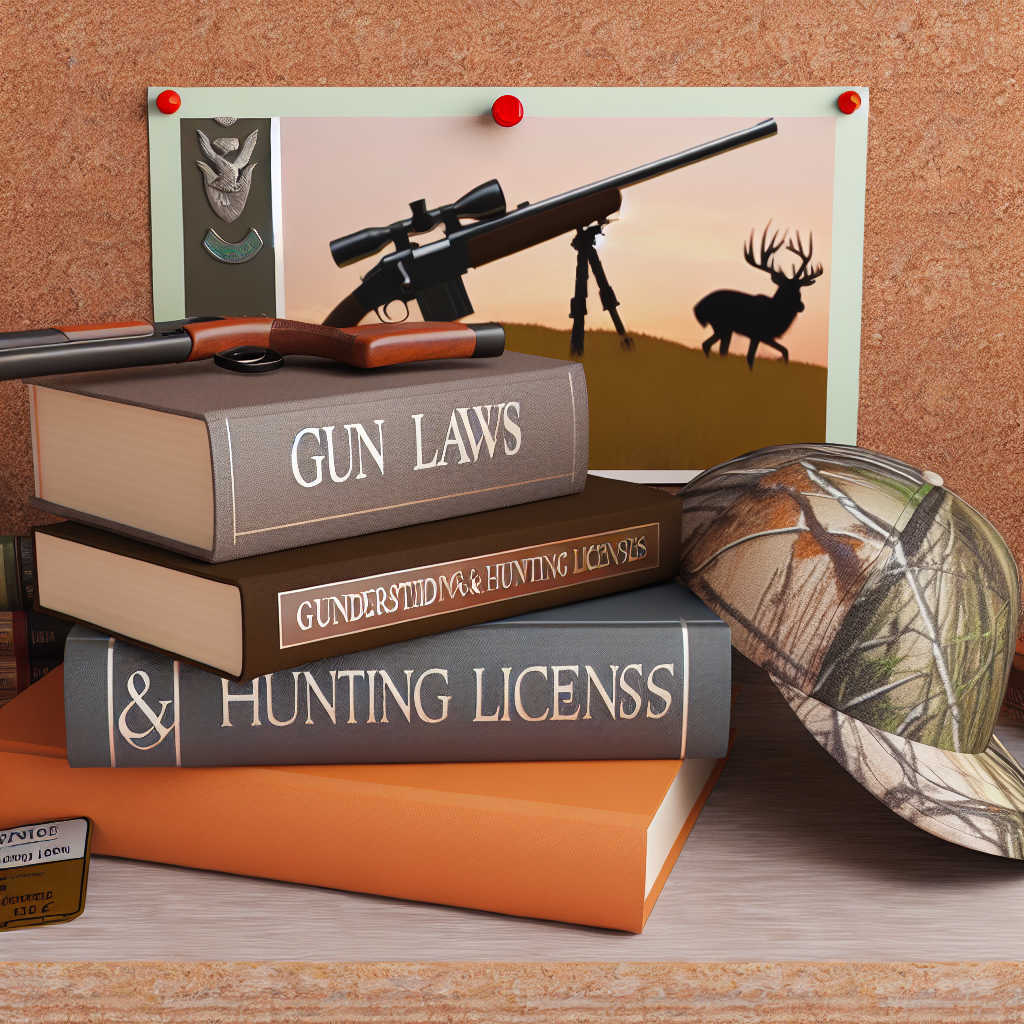
Gun laws and hunting licenses are critical components of wildlife management, public safety, and individual rights. Navigating these regulations can be complex due to variations across jurisdictions and the evolving nature of legislation. This article aims to provide a comprehensive understanding of gun laws and hunting licenses, highlighting their importance, legal frameworks, and practical implications for hunters and gun owners alike.
The Evolution and Purpose of Gun Laws
Gun laws have developed over centuries as societies balance the right to bear arms with the need to maintain public safety. These laws regulate the possession, use, sale, and transportation of firearms to prevent misuse and reduce firearm-related violence.
In the United States, for example, the Second Amendment guarantees citizens the right to keep and bear arms. However, this right is not absolute; federal, state, and local governments impose various restrictions to ensure responsible ownership. According to the Giffords Law Center, as of 2024, every state has some form of gun regulation ranging from background checks to restrictions on certain types of firearms.
Internationally, gun laws vary widely:
- Canada: Requires registration of restricted firearms and mandates safety courses for owners.
- Australia: Enforced strict gun control following the 1996 Port Arthur massacre, including buyback programs.
- Japan: Has some of the strictest gun laws globally with rigorous licensing processes resulting in extremely low gun ownership.
The purpose behind these laws is multifaceted:
- Public Safety: Reducing gun-related accidents and crimes.
- Wildlife Conservation: Ensuring ethical hunting practices that protect animal populations.
- Civil Rights: Protecting lawful ownership while preventing illegal use.
Key Components of Gun Legislation
The complexity of gun laws lies in their numerous components tailored to address different concerns. Some key aspects include:
Background Checks
A fundamental requirement in many jurisdictions is conducting background checks before purchasing firearms. This process screens for criminal records, mental health issues, or other factors that may disqualify individuals from owning guns. The FBI’s National Instant Criminal Background Check System (NICS) processes millions of checks annually in the U.S., helping prevent firearms sales to prohibited persons.
Firearm Types and Restrictions
Laws often categorize firearms by type — handguns, rifles, shotguns — with varying restrictions on each. For example:
- Assault Weapons Ban: Some states restrict semi-automatic rifles with military-style features.
- Magazine Capacity Limits: Many areas cap magazines at a certain number of rounds (e.g., 10 or 15).
Licensing and Registration
Certain regions require firearm owners to obtain licenses or permits that involve training courses, fees, or periodic renewals. Registration creates a record linking firearms to owners which aids law enforcement investigations.
Concealed Carry Laws
Laws regulating carrying concealed weapons vary considerably. Some states operate “shall-issue” systems mandating permits for qualified applicants; others have “may-issue” policies granting authorities discretion or do not allow concealed carry at all.
Safe Storage Requirements
A growing number of laws mandate secure storage practices such as locked safes or trigger locks to prevent accidental discharges or unauthorized access by children or criminals.
The Role and Regulation of Hunting Licenses
Hunting licenses are essential tools used by governments worldwide to regulate hunting activities sustainably while conserving wildlife populations. These licenses serve multiple purposes beyond mere legal authorization:
- Sustainable Wildlife Management: By limiting hunting seasons and quotas based on scientific data.
- Revenue Generation: Funding conservation programs through license fees.
- User Education: Ensuring hunters understand ethical hunting methods and safety protocols.
The process for obtaining a hunting license typically involves:
- Ages & Eligibility: Minimum age requirements (usually between 12-18 years) and sometimes residency criteria apply.
- Safety Training Courses: Hunter education programs covering firearm safety, wildlife identification, first aid, and regulations are often mandatory before issuance.
- Selecting License Types: Depending on targeted species (big game vs small game), season timing (archery vs rifle), or geographic area (state parks vs federal lands).
An example illustrating effective hunting license systems is found in Wyoming’s Game & Fish Department. Through detailed data collection on license sales combined with population monitoring via aerial surveys and tagging systems, Wyoming has successfully maintained healthy elk populations while allowing controlled harvests beneficial both ecologically and economically.
Navigating Variations Across States and Countries
Differences in legal frameworks can create confusion among hunters traveling across borders or new gun owners unfamiliar with local regulations. Key points include:
Diverse Gun Ownership Rules in U.S. States
A notable case study involves Illinois versus Texas.
Identification Card (FOID) requirement, while Texas has more lenient laws allowing for private sales without background checks. Understanding these differences is crucial for compliance and safe hunting practices.
In conclusion, staying informed about local laws and regulations is essential for responsible gun ownership and hunting.