How Gun Laws Are Enforced in Public Spaces
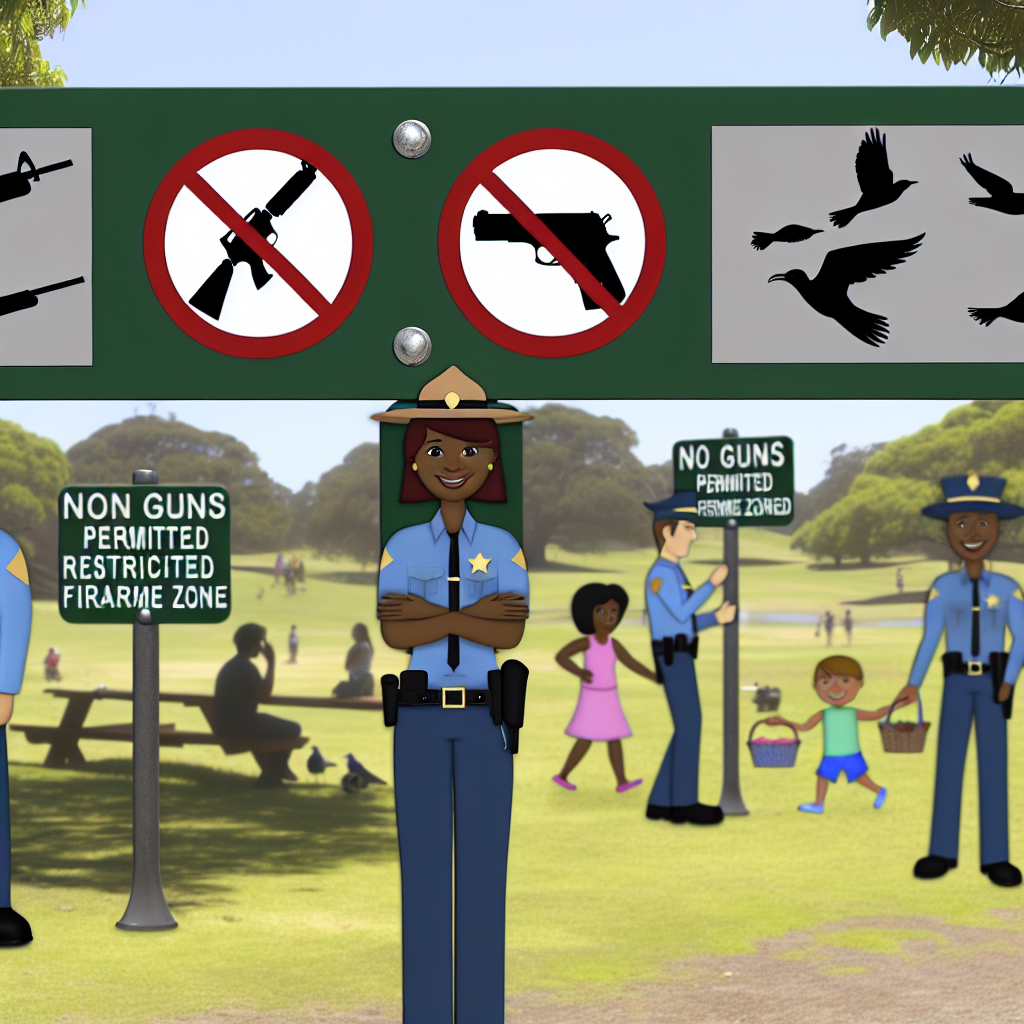
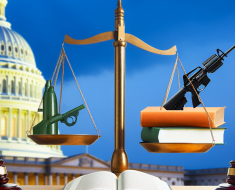
The enforcement of gun laws in public spaces is a critical component of maintaining public safety and reducing gun-related violence. Across different jurisdictions, the approaches to regulating firearms in public vary widely, influenced by local laws, cultural attitudes, and the prevailing security challenges. This article delves into how gun laws are enforced in public spaces, examining legal frameworks, enforcement agencies’ roles, challenges faced, and real-world examples that highlight the complexity of this issue.
The Legal Framework Governing Gun Possession in Public
Gun laws in public spaces are primarily derived from a combination of federal, state, and local regulations. These laws dictate where firearms can be carried, who is allowed to carry them, and under what conditions. Understanding these legal frameworks is essential for grasping how enforcement operates on the ground.
In the United States, for example:
- Federal Laws: Federal statutes set baseline restrictions on firearm possession, such as prohibiting felons and certain other groups from owning guns. The Gun Control Act of 1968 and the Brady Handgun Violence Prevention Act are foundational federal laws that regulate firearm sales and background checks.
- State Laws: States have significant authority to regulate firearms within their borders. This includes determining whether open carry (visible carrying of firearms) or concealed carry (hidden firearms) is allowed in public spaces. Some states require permits for concealed carry, while others allow permitless carry (“constitutional carry”).
- Local Ordinances: Cities and counties may enact ordinances that further restrict where guns can be carried — for example, banning firearms in parks, schools, government buildings, or private property.
This multi-layered system creates a patchwork of regulations that law enforcement must navigate when enforcing gun laws in public.
The Role of Law Enforcement Agencies in Public Gun Law Enforcement
Enforcement of gun laws primarily falls to police officers and other law enforcement personnel who patrol public spaces. Their responsibilities include preventing illegal firearm possession, responding to incidents involving guns, and investigating violations.
Key functions performed by law enforcement include:
- Routine Patrols and Checks: Officers may conduct routine patrols with an eye toward identifying illegal weapons or suspicious behavior associated with firearms.
- Permitting Verification: In states requiring permits for carrying firearms publicly, officers often verify the validity of permits during traffic stops or other encounters.
- Response to Gun-Related Incidents: Rapid response to shootings or threats involving guns is crucial to minimizing harm and securing evidence.
- Investigations and Prosecutions: Detectives investigate cases involving illegal possession or use of guns in public spaces. Their findings support prosecutions aimed at deterring future violations.
Law enforcement agencies also engage in community outreach programs to educate the public about gun safety and legal requirements for carrying firearms.
Challenges Faced by Authorities When Enforcing Gun Laws in Public Spaces
The enforcement of gun laws in public spaces is fraught with challenges that complicate efforts by law enforcement agencies:
- Diverse Legal Landscape: The variation in state and local laws can create confusion both for citizens and police officers about what is lawful. For instance, a person legally carrying a firearm in one state might violate laws just across a border.
- Lack of Universal Background Checks on Carryers: While background checks are standard for purchasing firearms federally mandated since 1994 (with some exceptions), not all states require checks or permits for carrying guns publicly. This limits preemptive screening by authorities.
- The Risk of Escalation During Police Encounters: Police officers must exercise caution when approaching individuals carrying firearms to prevent misunderstandings that could lead to violence. This requires specialized training on interacting with armed civilians.
- Resource Constraints: Monitoring all public areas continuously is impossible due to limited personnel and budget constraints. Thus, enforcement often relies on reactive measures rather than proactive prevention.
These challenges demand innovative strategies from law enforcement agencies to balance civil liberties with public safety imperatives effectively.
Case Studies: Enforcement Approaches from Different Jurisdictions
Diverse approaches worldwide illustrate how gun law enforcement varies depending on cultural context and legal structures. Here are some notable examples:
The United Kingdom: Strict Gun Control and Zero Tolerance
The UK enforces some of the strictest gun control laws globally. Handguns were effectively banned after the Dunblane massacre in 1996. Firearms possession requires rigorous licensing through local police forces who conduct thorough background checks and justify need assessments.
Enforcement Practices Include:
- Sweeping police operations to confiscate illegal weapons found during routine stops or intelligence-led raids.
- A robust system of firearm registration enabling authorities to track all legally owned guns tightly.
- A strong cultural stigma against civilian gun ownership which reduces demand and illegal trafficking.
This strict regulatory framework correlates with low rates of gun violence compared to countries with more permissive policies — the UK reported approximately 0.23 firearm-related deaths per 100,000 people in 2020 according to Small Arms Survey data.</