The Future of Assault Weapons Bans: What’s Next?
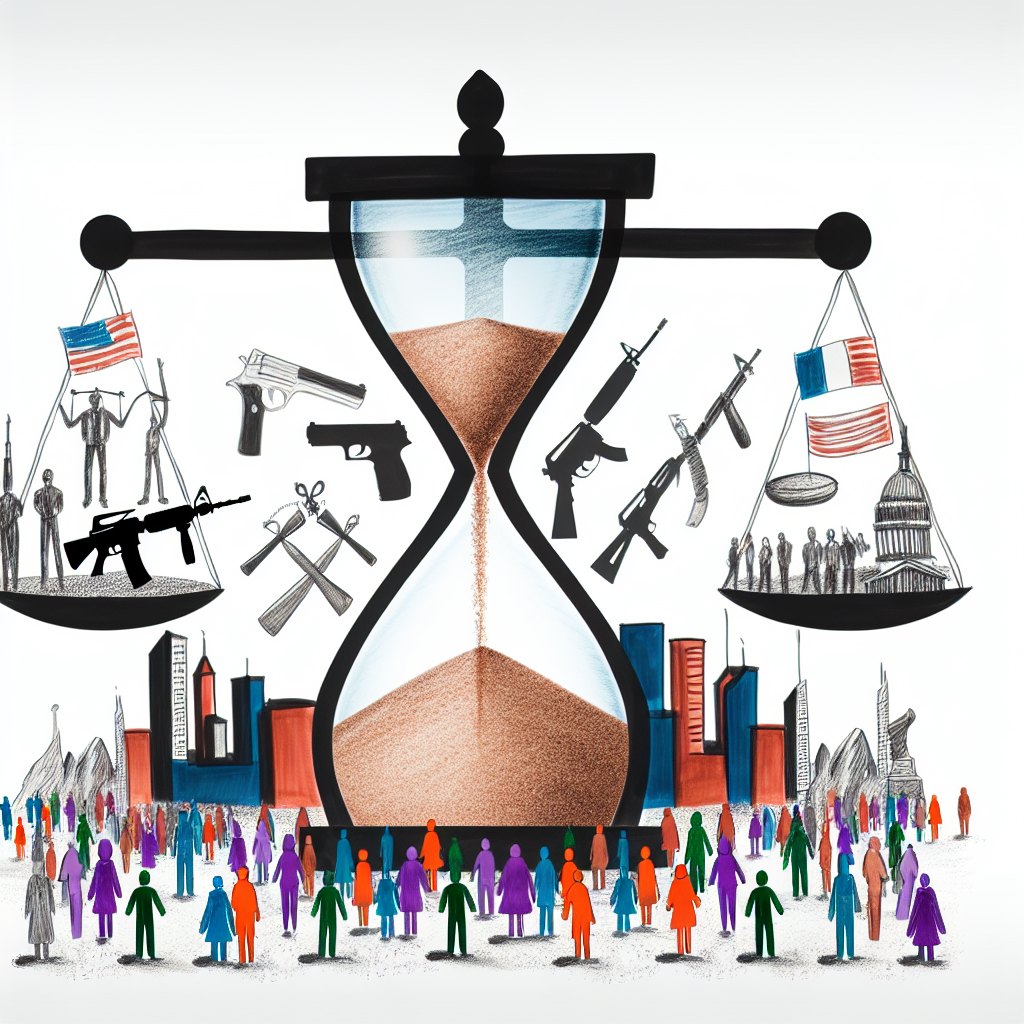
The debate over assault weapons bans in the United States has long been a contentious and polarizing issue. As mass shootings and gun violence continue to dominate headlines, the conversation surrounding legislative efforts to regulate or prohibit certain types of firearms is intensifying. This article explores the future of assault weapons bans, examining current trends, legislative challenges, public opinion, and potential pathways forward. By analyzing relevant case studies, statistics, and political dynamics, we aim to provide a comprehensive understanding of what lies ahead in this critical policy area.
Understanding Assault Weapons Bans: History and Context
Before diving into the future prospects of assault weapons bans, it is essential to understand what these bans entail and their historical context. The term “assault weapon” often refers to semi-automatic firearms with certain military-style features such as detachable magazines, pistol grips, or flash suppressors. However, definitions vary significantly across jurisdictions and political debates.
One of the most significant legislative milestones was the Federal Assault Weapons Ban (AWB) enacted in 1994 under President Bill Clinton. This law prohibited the manufacture for civilian use of specific semi-automatic firearms and large-capacity magazines for ten years before expiring in 2004. Studies on its effectiveness have been mixed; while some research suggested a reduction in crimes involving banned weapons during its tenure, other studies found minimal impact on overall gun violence rates.
- Key features of the 1994 AWB: Banned 19 specific models of firearms and weapons with similar features.
- Expiration: The law sunsetted in 2004 due to a lack of Congressional renewal.
- Impact: Mixed evidence on reducing mass shootings but some decline in crimes involving assault weapons during its enforcement period.
This historical backdrop sets the stage for understanding current legislative efforts and their prospects moving forward.
Current Landscape: State-Level Bans and Federal Challenges
Following the expiration of the federal AWB, numerous states have enacted their own assault weapons bans with varying degrees of restrictiveness. Notably:
- California: One of the strictest laws banning assault weapons and large-capacity magazines since 1989.
- New York: Implemented the SAFE Act in 2013 after the Sandy Hook Elementary School shooting, banning many types of assault weapons.
- Connecticut and New Jersey: Passed comprehensive bans following high-profile mass shootings within their borders.
These state laws demonstrate a patchwork approach where geographic location heavily influences access to assault weapons. However, this has also led to legal challenges, with opponents arguing that such bans infringe upon Second Amendment rights. Courts have issued mixed rulings on these laws’ constitutionality, reflecting ongoing tension between public safety concerns and individual rights.
On the federal level, attempts to reinstate or introduce new assault weapons bans have faced significant obstacles:
- Political Polarization: Deep partisan divides make consensus difficult in Congress.
- Lobbying Influence: Powerful gun rights organizations like the NRA exert considerable influence against restrictive legislation.
- Judicial Landscape: Recent Supreme Court decisions have strengthened individual gun ownership rights, complicating regulatory efforts.
The future federal legislation faces an uphill battle but remains a focal point for advocates pushing for national standards.
The Role of Public Opinion and Mass Shootings
The trajectory of assault weapons bans is closely tied to shifts in public opinion—often galvanized by tragic events involving mass shootings. Polling data consistently shows that after high-profile incidents involving semi-automatic rifles (such as AR-15 style guns), support for stricter gun control measures spikes dramatically.
- A Pew Research Center survey following the Parkland shooting (2018) found that nearly two-thirds of Americans favored banning assault-style weapons.
- A Gallup poll in late 2022 indicated that approximately 57% supported stricter gun laws overall.
This surge in support frequently leads to renewed calls for legislative action. However, sustaining momentum has proven challenging as media attention wanes over time and lobbying groups mobilize opposition campaigns. Moreover, while urban areas tend to favor restrictions more strongly, rural regions often view such measures as infringements on hunting traditions and personal defense rights.
The Technological Evolution: Challenges for Regulation
The rapid advancement in firearm technology presents additional complexities for future assault weapons regulations. Innovations such as “ghost guns” — unserialized firearms assembled from kits — challenge traditional methods of tracking and regulating weapons. Similarly, improvements in magazine capacity or modular design allow users to circumvent feature-based definitions used in many bans.
- Ghost Guns: These are homemade firearms not subject to standard background checks or serial number tracking.
- Semi-Automatic Variants: Manufacturers continuously adapt designs to comply with letter-of-the-law while maintaining high firepower capabilities.
This technological evolution demands more adaptive regulatory frameworks that can keep pace with innovation without being overly broad or vague—a difficult balance for lawmakers aiming to protect both safety and rights.
Potential Pathways Forward: Strategies for Effective Policy The future of assault weapons bans will likely depend on a combination of public support, legislative action, and judicial outcomes. Policymakers must navigate the complexities of modern firearm technology while addressing public safety concerns.
Ultimately, creating effective and balanced regulations will require ongoing dialogue among stakeholders, including lawmakers, law enforcement, and the community.