The Pros and Cons of Shooting Competitions for Beginners
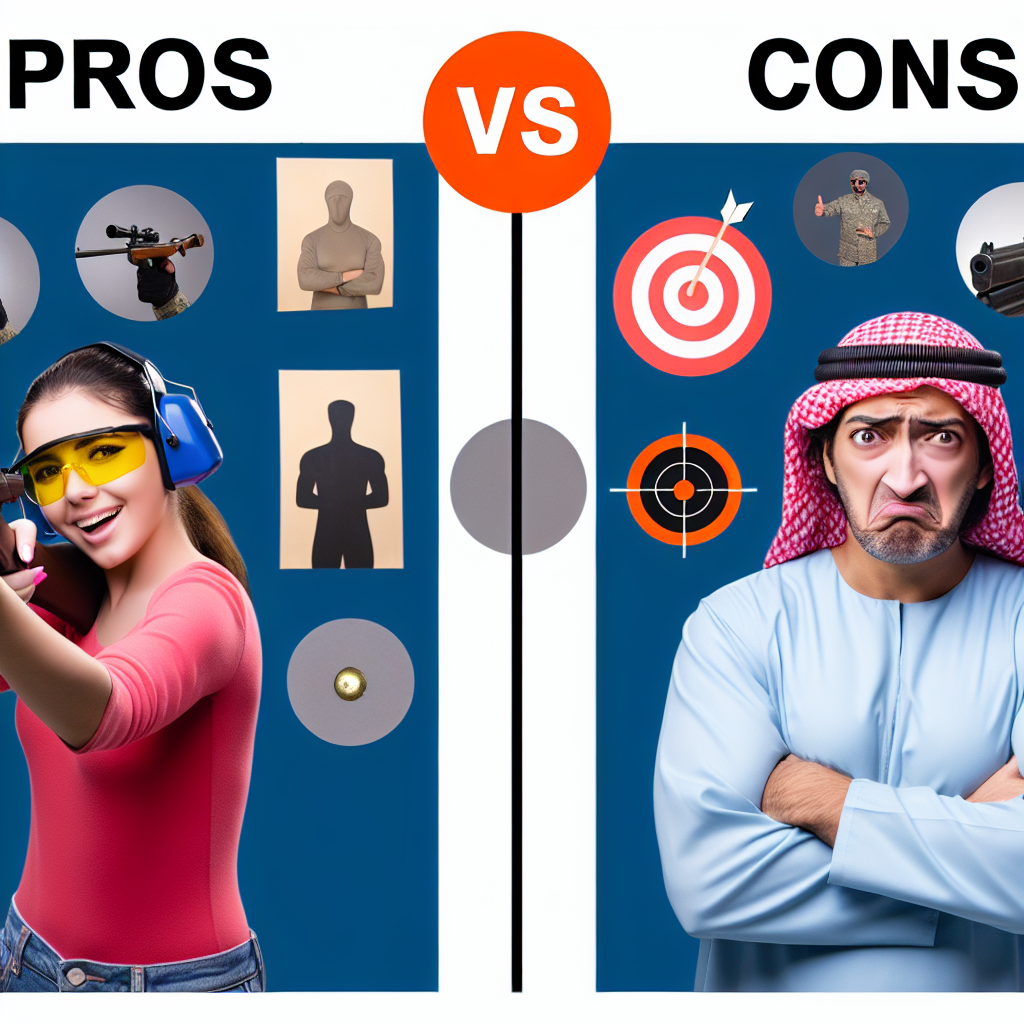
Shooting competitions have long been a popular avenue for firearm enthusiasts to test their skills, improve their accuracy, and engage with a community of like-minded individuals. For beginners, entering the world of shooting competitions can be both exciting and intimidating. While these events offer numerous benefits, they also come with challenges that new shooters should carefully consider before diving in.
In this article, we will explore the advantages and disadvantages of participating in shooting competitions as a beginner. By examining real-world examples, relevant statistics, and expert opinions, we aim to provide a balanced perspective that helps newcomers make informed decisions about their involvement in competitive shooting sports.
Understanding Shooting Competitions: An Overview for Beginners
Shooting competitions encompass a wide range of disciplines—from precision rifle matches to dynamic pistol competitions like IPSC (International Practical Shooting Confederation) or IDPA (International Defensive Pistol Association). These contests vary in format, rules, and equipment requirements but share common goals: accuracy, speed, and safety.
For beginners, understanding the types of shooting competitions available is essential. Some popular forms include:
- Precision Shooting: Events such as bullseye pistol or smallbore rifle focus on hitting stationary targets at fixed distances with utmost accuracy.
- Action Shooting: Formats like USPSA (United States Practical Shooting Association) or 3-Gun involve dynamic movement through courses requiring quick target acquisition and transitions between firearms.
- Long-Range Shooting: Competitions testing shooters’ ability to engage targets hundreds of yards away under varying environmental conditions.
- Trap and Skeet: Shotgun disciplines where participants shoot at clay targets launched into the air at different angles.
This diversity means beginners can choose a discipline that suits their interests and skill level. However, it also means newcomers need to invest time in learning rules, handling different firearms safely, and developing specific techniques.
The Pros of Shooting Competitions for Beginners
1. Skill Development Through Structured Practice
Shooting competitions provide an excellent framework for skill development. The structured nature of these events encourages consistent practice and goal-setting. Unlike casual range sessions where shooters may lack clear objectives, competition preparation often involves working on specific drills to improve speed, accuracy, or gun handling skills.
A study published by the National Shooting Sports Foundation (NSSF) found that participants who compete regularly demonstrate faster improvements in marksmanship compared to those who only practice recreationally. This is because competitive environments simulate pressure situations where focus and muscle memory are critical.
2. Building Confidence and Mental Discipline
The psychological aspect of competitive shooting cannot be overstated. Beginners often struggle with nerves or self-doubt when trying new skills. Entering competitions allows them to face these challenges head-on in a controlled environment.
- Exposure to pressure: Competing forces shooters to perform under time constraints and scrutiny from peers.
- Mental resilience: Learning to stay calm after missed shots or mistakes enhances overall mental toughness.
- Goal achievement: Setting performance benchmarks fosters motivation and confidence boosts when milestones are reached.
Anecdotal evidence from instructors at shooting academies frequently highlights how first-time competitors often report feeling more self-assured after completing their initial matches.
3. Community Engagement and Networking Opportunities
Shooting competitions bring together people from diverse backgrounds united by their passion for firearms sports. For beginners, this social aspect is invaluable for several reasons:
- Learning from experienced shooters: Many seasoned competitors are eager to mentor newcomers by sharing tips on technique, gear selection, and match strategy.
- Access to resources: Clubs hosting competitions often provide training programs or workshops that beginners can join to accelerate their learning curve.
- Camaraderie: Developing friendships within the shooting community can enhance enjoyment and encourage ongoing participation.
The social support system can help mitigate feelings of intimidation or isolation that some novices experience when entering competitive shooting arenas alone.
4. Safe Environment with Emphasis on Safety Protocols
A key advantage of formal competitions is their rigorous enforcement of safety standards. Organizers implement strict rules governing firearm handling, range conduct, and equipment compliance to minimize risks. For beginners still mastering gun safety fundamentals, competing under such supervision provides reassurance that safety is prioritized above all else.
This emphasis on safety not only protects participants but also fosters responsible firearm ownership habits that extend beyond competition settings into everyday use.
The Cons of Shooting Competitions for Beginners
1. Initial Financial Investment Can Be High
One significant barrier for many beginners is the cost associated with entering shooting competitions. Expenses can accumulate quickly when factoring in:
- Firearms and ammunition: Competitive shooting often requires specific types or calibers of guns which may be more expensive than standard models used for casual plinking.
- Equipment upgrades: Specialized holsters, optics, clothing designed for comfort/mobility during matches add up financially.
- Entry fees: Some matches charge substantial fees which might discourage frequent participation by those just starting out.
<