Common Competitive Shooting Terminology Explained
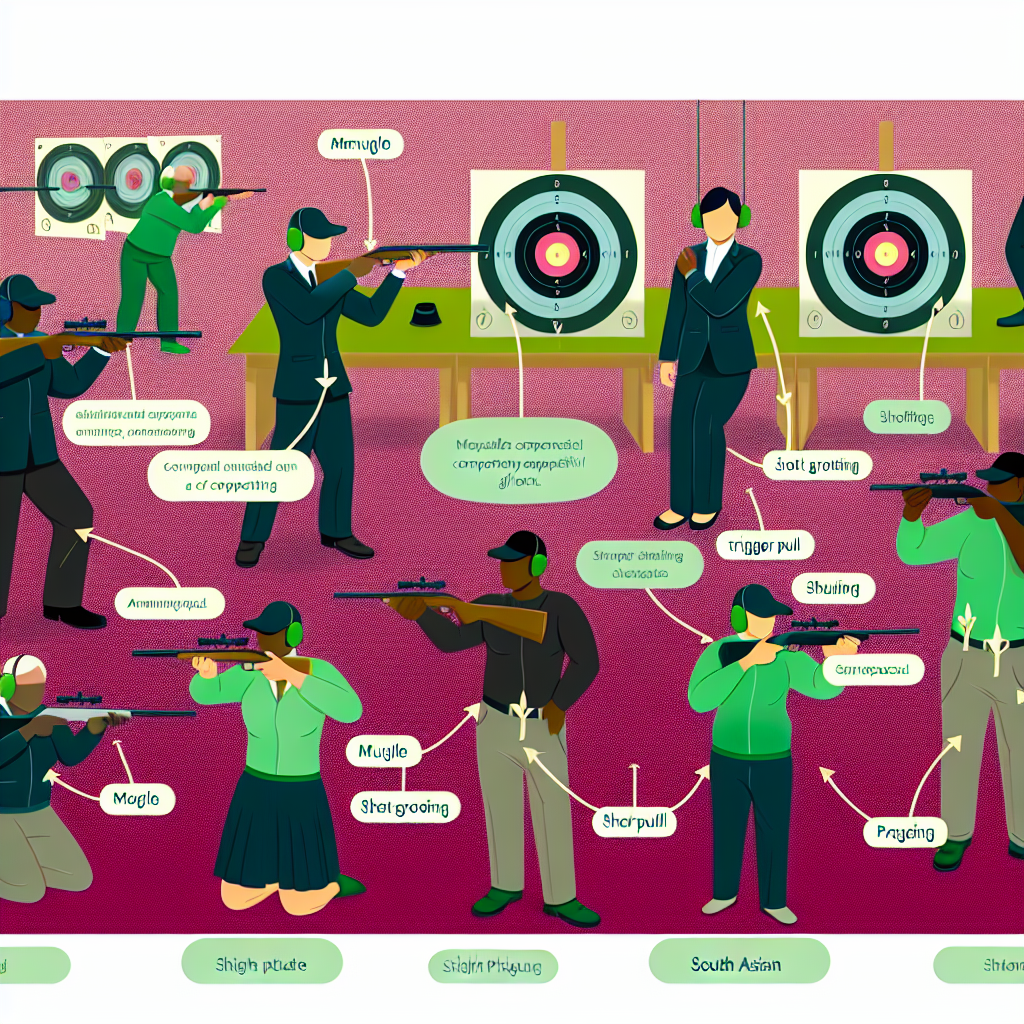
Competitive shooting is a dynamic sport that combines precision, speed, and discipline. Whether you’re a novice stepping onto the range for the first time or an experienced shooter looking to deepen your understanding, familiarizing yourself with the terminology used in competitive shooting is essential. This article breaks down the most common terms used in various shooting disciplines, providing clarity and enhancing your appreciation of this challenging sport.
Understanding the Basics: Key Terms Every Shooter Should Know
Before diving into specific disciplines or advanced techniques, it’s important to grasp some foundational terminology that applies across most forms of competitive shooting.
- Action: The mechanism of a firearm that loads, fires, and ejects cartridges. Examples include bolt action, semi-automatic action, and pump action.
- Caliber: Refers to the diameter of the firearm’s bore or the size of the ammunition it uses. For instance, 9mm and .45 ACP are common calibers in handgun competitions.
- Trigger Pull: The force required to pull the trigger and fire the gun. Competitive shooters often train to have a smooth and light trigger pull for better accuracy.
- Sights: Devices used to aim a firearm accurately. They can be iron sights, red dot sights, or scopes depending on the discipline.
- Magazine: A container that holds ammunition and feeds it into the firearm’s chamber.
These terms form the backbone of any conversation about shooting sports. Understanding them will help you follow discussions and instructions more effectively at any competition or training session.
Stages and Courses: Navigating Competitive Shooting Events
Competitive shooting events are structured with specific stages or courses of fire that test different skills such as accuracy, speed, movement, and target engagement strategies. Understanding these terms will give insight into how competitions are organized and scored.
- Stage: A defined segment of a match where shooters engage targets under specified rules and conditions. For example, in USPSA (United States Practical Shooting Association) matches, stages vary greatly from close-range pistol draws to long-range rifle shots.
- Course of Fire (COF): The complete set of instructions detailing how shooters must engage targets in a stage – including number of shots, target order, positions, and movement requirements.
- Strings: Subdivisions within a stage where shooters perform sequences of shots before pausing or reloading.
- Shoot-Off: A tiebreaker round where competitors face off under rapid-fire conditions to determine a winner. This is common in events like IDPA (International Defensive Pistol Association).
A typical USPSA match may have five to eight stages with different COFs designed to test various aspects like draw speed, target transitions, reload efficiency, and shooting from unconventional positions. According to USPSA statistics from recent national championships, matches usually average around 150 rounds fired per competitor across all stages – highlighting both endurance and precision requirements.
Shooting Techniques: Terms That Define How You Shoot
The way you handle your firearm during competition affects your score significantly. Let’s explore some technical terms related to shooting techniques that every competitive shooter should understand.
- Draw: The act of bringing your firearm from its holstered position into firing stance ready to engage targets quickly.
- Presentation: The movement from drawing your gun to aligning sights on a target. It encompasses grip acquisition and sight alignment simultaneously.
- Sight Picture: The visual alignment of front sight post with rear sight notch on the target area. A proper sight picture is crucial for accuracy.
- Sight Alignment: The correct positioning of front and rear sights relative to each other before aiming at the target.
- Breathe Control: Managing breathing rhythm during aiming to reduce movement caused by chest expansion for steadier shots.
- Follow-Through: Maintaining proper sight alignment and grip after firing a shot until recoil settles to ensure consistent accuracy for subsequent shots.
A case study from a professional IPSC (International Practical Shooting Confederation) coach revealed that shooters who consciously practiced follow-through improved their hit ratio by up to 15% over three months compared to those who focused only on initial aim. This emphasizes how technique refinement directly influences performance outcomes in competitive shooting sports.
Diving Into Scoring: How Shooters Are Evaluated
The scoring system varies depending on the shooting discipline but understanding common scoring terms helps you appreciate how winners are determined in competitions ranging from precision rifle matches to fast-paced pistol events.
- Points Down (PD): In USPSA/IPSC scoring, points down refer to points lost due to hitting less valuable scoring zones on targets rather than center hits. For example, hitting an outer zone might score fewer points than hitting an inner zone called an “A-zone.”
- DQ (Disqualification): Removal from competition due to rule violations such as unsafe handling or procedural errors like missing mandatory reloads or targets.
- Percents or Percent-Based Scoring: Some matches score competitors
using a percentage of their total possible score, allowing for a relative comparison of performance across different stages or courses of fire.
Understanding these terms can greatly enhance your appreciation of the sport and improve your strategic approach to competitions.