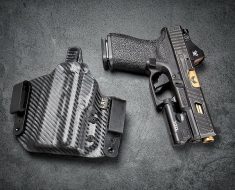
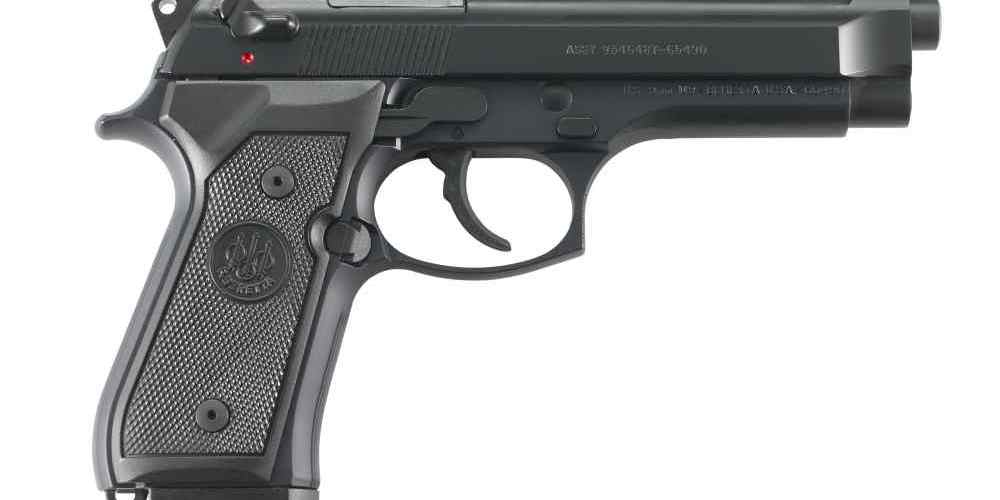
When temperatures drop, the details on a handgun matter more than many shooters realize. One of the most overlooked features is the trigger guard shape. For anyone who trains, hunts, carries concealed, or keeps a sidearm for defense in cold weather, a well-designed trigger guard can make the difference between clumsy manipulation and confident, safe handling with gloves on.
Why Trigger Guard Shape Matters with Gloves
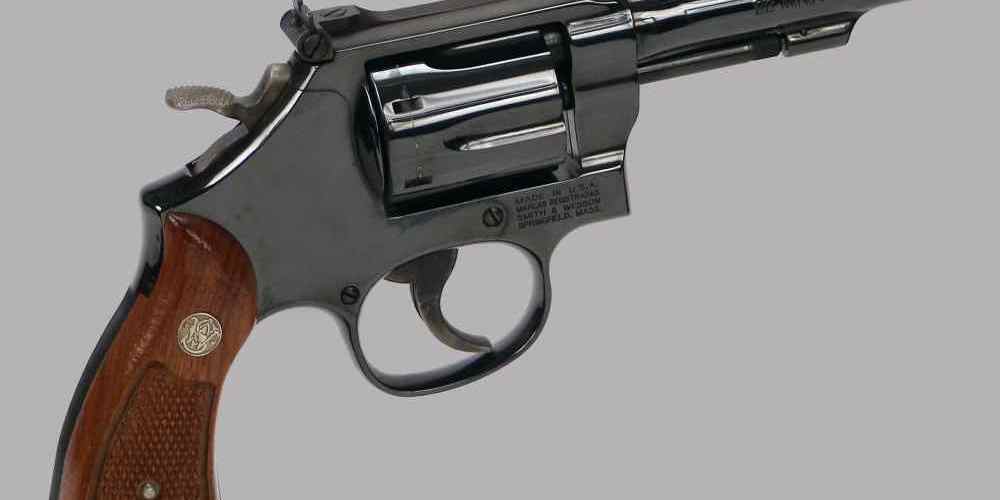
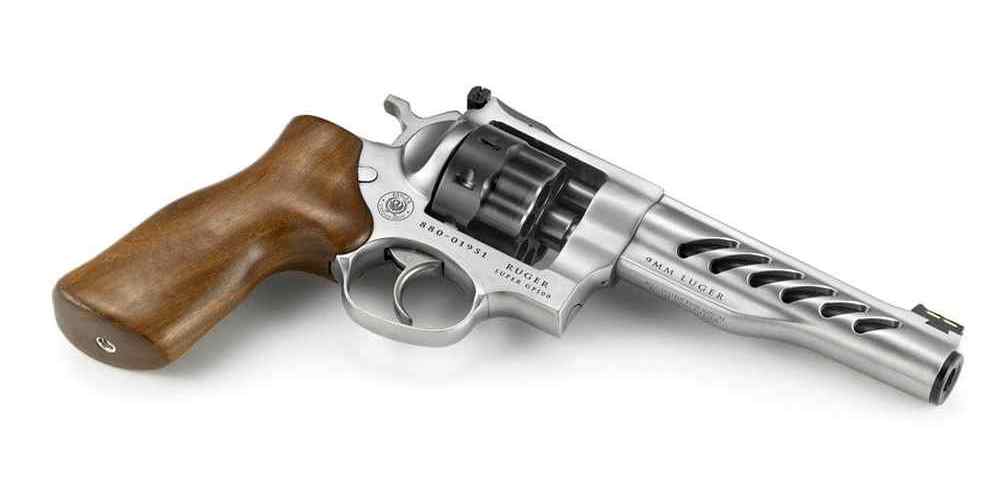
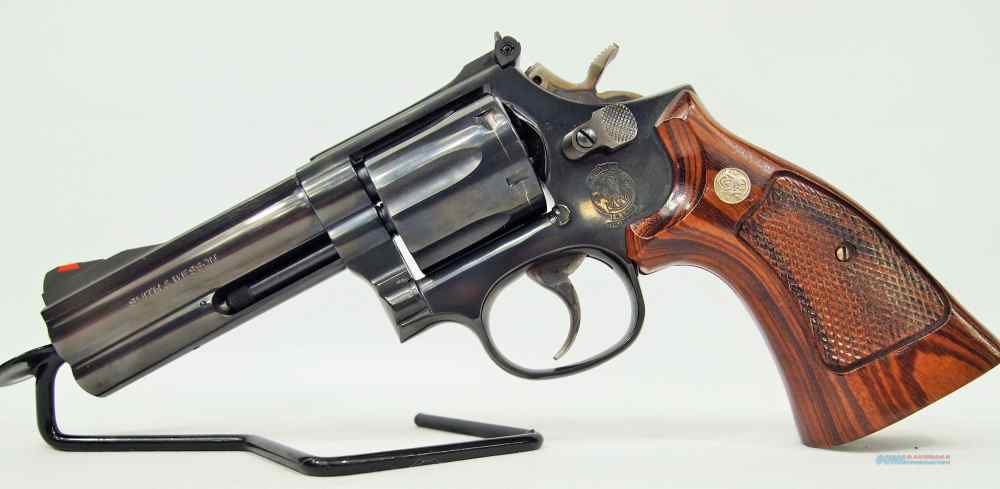
A trigger guard does more than protect the trigger from accidental contact. Its size, contour, and angle determine how easily a gloved index finger can enter and exit the trigger area without binding or fumbling. With thin summer gloves, most handguns feel manageable. But once insulated winter gloves, work gloves, or waterproof shooting gloves come into play, a narrow or sharply squared guard can quickly become a hindrance.
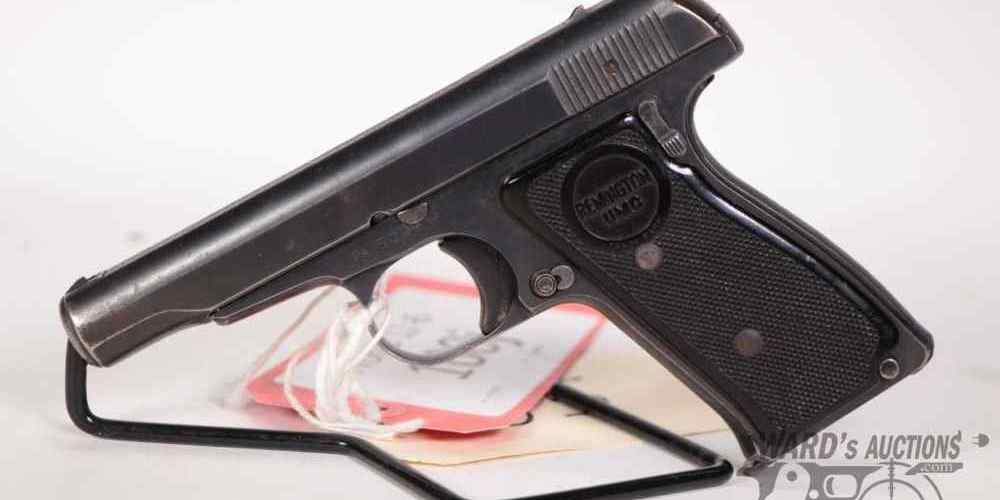
Historically, many service pistols and revolvers were designed around bare-handed use or light duty gloves. As real-world conditions changed, manufacturers and custom gunsmiths began paying closer attention to guard geometry. A slightly enlarged, rounded, or undercut trigger guard often improves access without sacrificing safety. That extra room helps the shooter maintain a consistent trigger finger placement, which is especially important when fine motor control is reduced by cold.
For practical use, the key is balance. A trigger guard that is too small can force the finger into awkward angles, while one that is excessively open may reduce protection and allow debris or gear to interfere. The best shapes support deliberate, repeatable movement. That matters whether you are shooting at the range in freezing weather or carrying a defensive handgun under winter layers where every motion should be smooth and intentional.
How It Boosts Control and Safety in Cold Weather
Cold hands and bulky gloves make controlled shooting harder. A trigger guard with better clearance allows the shooter to establish proper trigger finger placement without disturbing the grip. That helps preserve sight alignment and muzzle discipline during the draw, presentation, and trigger press. In defensive shooting, those small gains in consistency can be meaningful, because hesitation or overcorrection under stress can lead to poor hits or unsafe handling.
Safety is another major advantage. Gloves can snag on an undersized guard during a hurried draw or when reholstering, especially if the holster mouth is stiff or worn. A more accommodating trigger guard shape reduces that risk by offering a cleaner path for the finger and less chance of dragging material into the trigger area. Still, glove-friendly design is not a substitute for proper training. Shooters should practice slowly first, verify that the chosen glove does not interfere with the trigger, and confirm safe holstering and unholstering before relying on the setup in the field.
There are also real-world gear considerations. Hunters may prefer gloves that are warm but thin enough for trigger control, while armed professionals and concealed carriers often look for a handgun that can be managed with winter gloves without compromising safety. Aftermarket frames, trigger guard modifications, and certain modern pistol platforms may offer more generous geometry, but any alteration should be evaluated carefully and, when needed, performed by a qualified gunsmith. The goal is not simply comfort; it is dependable control in conditions where cold weather can expose the limits of equipment and technique.
For shooters who spend time outdoors, the shape of the trigger guard is more than a cosmetic detail. It directly affects how well a handgun can be handled with gloves, especially when cold weather already makes movement slower and less precise. A thoughtful trigger guard design supports safer trigger access, steadier control, and more confident operation when conditions are far from ideal.
The best approach is to match the handgun, gloves, and intended use. Test the combination at the range, practice safe manipulation, and never assume a firearm will feel the same with winter gear as it does bare-handed. In the end, responsible ownership means choosing equipment that helps you stay accurate, controlled, and safe no matter the season.