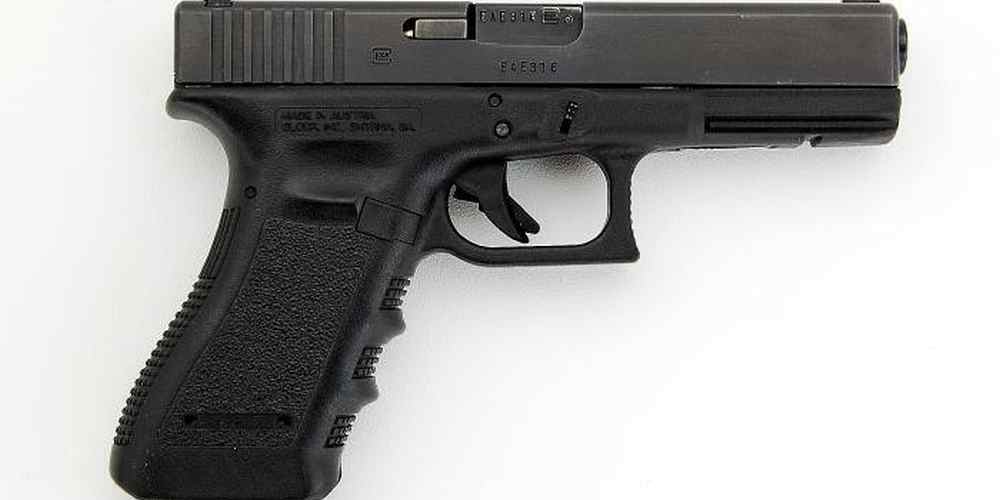
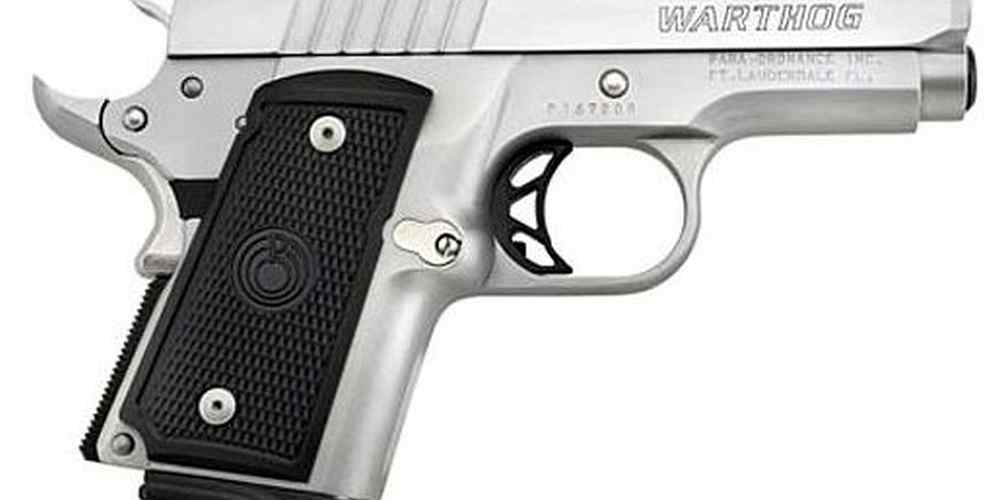
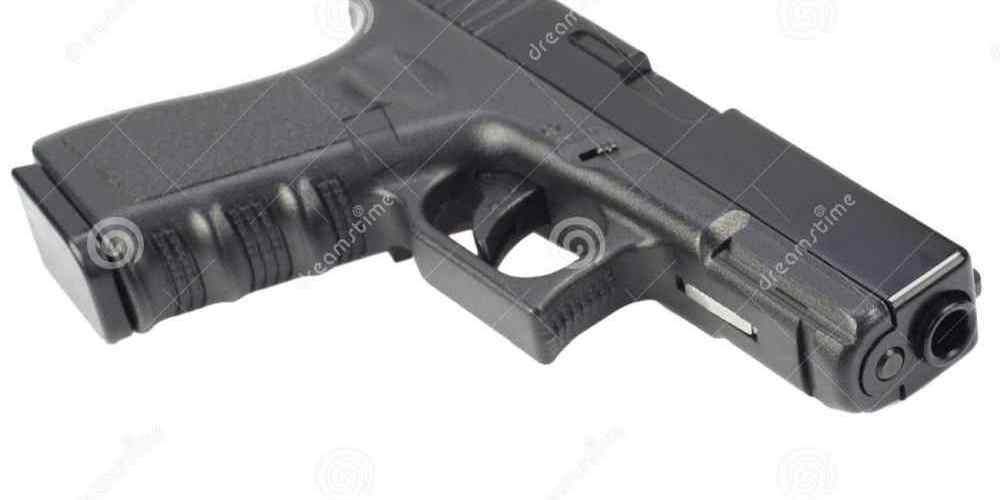
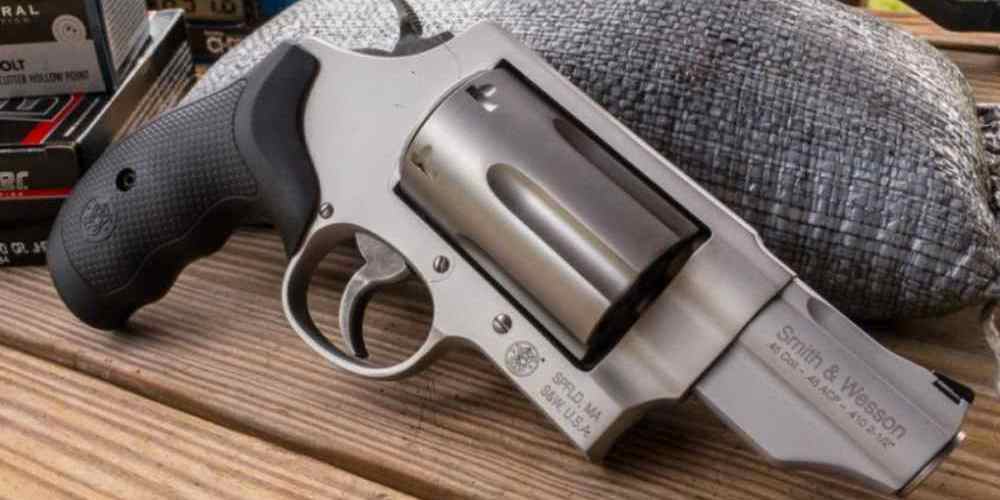
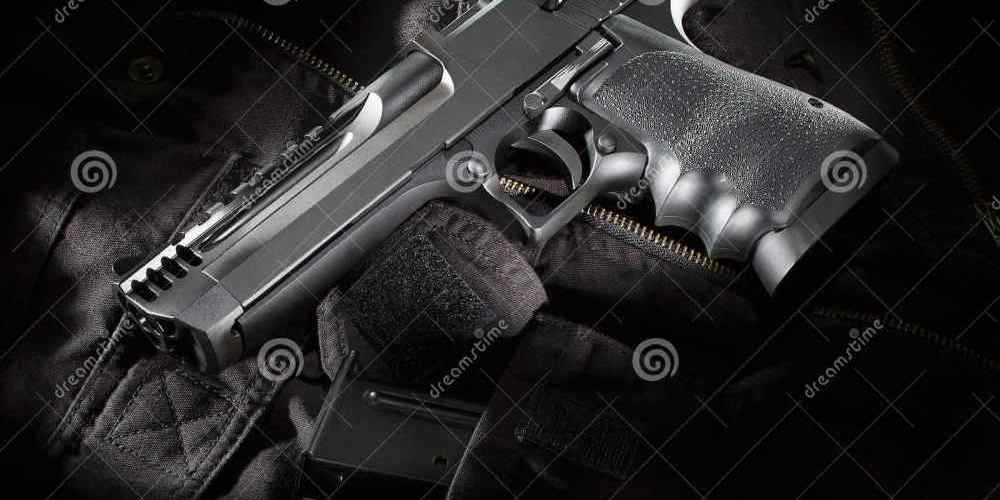
A well-designed magwell flare can make a real difference in how smoothly and consistently you reload a handgun. For competitive shooters, concealed carriers, and anyone who trains seriously, shaving time off a reload is only part of the benefit; the bigger advantage is reliability under stress. By giving the magazine a wider, more forgiving target at the base of the grip, a magwell flare helps guide the magazine into place with less fumbling and fewer missed insertions. Used properly, it is one more example of how thoughtful firearm setup can support safer, more confident handling. ===
How a Magwell Flare Speeds Reloads Fast
A magwell flare works by widening the opening at the bottom of the pistol grip, creating a funnel that helps guide the magazine into the firearm. Instead of trying to align a narrow magazine well perfectly every time, the shooter gets a larger target area. That small change can make a dramatic difference when adrenaline is up, hands are moving quickly, or lighting and body position are less than ideal. In practical terms, it means fewer wasted motions and a smoother path from empty gun to reloaded gun.
Historically, magwell funnels and flared magazine wells became especially popular in competitive shooting disciplines where fractions of a second matter. Over time, the same concept proved useful beyond competition. Defensive shooters appreciated the added consistency, especially during practice drills that simulate high-pressure conditions. A faster reload is valuable, but a more repeatable reload is often even more important, because consistency builds confidence and helps reduce errors when every second counts.
The real technical advantage is leverage and alignment. A magwell flare helps center the magazine as it enters the grip, reducing the chance of “slamming and missing” the well or having the magazine hang up on the frame. It can also help guide the hand into a more consistent reload grip. That said, no accessory replaces practice. Safe, deliberate repetitions with unloaded firearms and dummy rounds, followed by supervised live-fire training, are the best way to build the muscle memory needed to take full advantage of the flare.
Choosing the Right Magwell Flare for Your Pistol
Not every magwell flare fits every pistol, so compatibility should be the first thing you check. Some handguns are designed from the factory to accept a magwell or funnel-style extension, while others require aftermarket parts that fit specific frame dimensions or magazine baseplates. Before buying, confirm that the model is made for your exact pistol generation and caliber. A poor fit can create feeding issues, interfere with concealment, or make magazines harder to seat instead of easier.
Material and design matter as well. Aluminum magwells are common because they are durable and lightweight, while polymer options may be less expensive and sufficient for range use. Some models are built for competition with a larger opening and extended base, while others are low-profile to preserve carry comfort. If you plan to use the pistol for self-defense, consider how the flare affects holster compatibility, concealability, and grip ergonomics. The best choice is the one that improves function without adding unnecessary bulk or complexity.
Before relying on any magwell flare, test it thoroughly at the range. Verify that magazines drop free, seat positively, and lock in place with the slide forward and rearward, if applicable to your platform. Check that your chosen magazine baseplates are compatible, since some flares require extended or specially shaped pads. As always, keep firearm safety rules at the center of your setup: handle unloaded guns carefully, use only ammunition that is correct for your firearm, and confirm that any modification remains lawful in your area. A magwell flare can be a smart upgrade, but it should support responsible shooting habits rather than replace them.
A magwell flare is a simple upgrade with an outsized effect: it helps make handgun reloads faster, smoother, and more repeatable. For shooters who value efficiency and reliability, that can translate into better performance on the range and greater confidence in training. The key is choosing a well-fitting, purpose-appropriate model and pairing it with safe practice. When used thoughtfully, this small component becomes a practical example of how the right equipment can improve both speed and control. ===