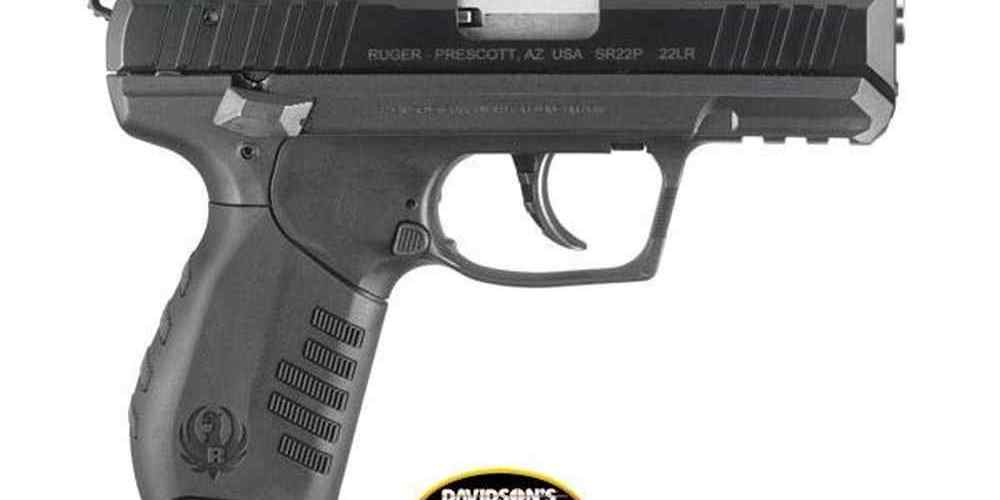
Cheap handgun ammunition can look like a smart way to save money, especially for high-volume practice. But in the real world, bargain ammo often costs more than it appears to because it can wear on your handgun’s reliability, consistency, and longevity far faster than quality ammunition.
For responsible gun owners, hunters, and defensive shooters, reliability is not optional. A handgun that runs cleanly and predictably is easier to train with, safer to handle under stress, and more trustworthy when it matters most. That is why understanding the difference between inexpensive range ammo and truly low-quality ammunition is so important.
How Cheap Ammo Breaks Reliability So Fast
Cheap handgun ammo often uses inconsistent powder charges, softer primers, lower-grade brass, or poorly seated bullets. Those shortcuts can create a chain reaction of problems inside the firearm. One round may cycle normally while the next is underpowered, overpowered, or dimensionally off just enough to interrupt feeding, extraction, or ignition. In semi-automatic handguns, reliability depends on a very tight balance between pressure, recoil, slide speed, and magazine function, so even small variations can cause noticeable issues.
Another common problem is dirty-burning powder and low-quality case materials. Ammunition that leaves excessive fouling in the barrel, chamber, slide, and extractor area can quickly degrade performance during a shooting session. A handgun that was running fine at the start may begin to sluggishly cycle after only a few boxes, not because the gun is defective, but because the ammo is coating critical parts with residue faster than the firearm can tolerate. Over time, this can also increase wear on springs and moving components.
Cheap ammo may also have poor quality control in bullet shape, overall length, or crimp consistency. That matters because handguns are sensitive to how cartridges feed from the magazine into the chamber. Slight variations can lead to nosedive malfunctions, failures to chamber, stovepipes, and extraction issues. In historical terms, shooters have long learned that mass-produced ammunition can vary widely by brand and lot, and modern firearms are no exception: some guns will digest almost anything, while others reveal weak links immediately. If you want dependable performance, especially for carry or training, investing in reputable ammunition is one of the simplest ways to protect both reliability and safety.
Signs Your Handgun Is Suffering from Bad Ammo
One of the most obvious signs is a sudden increase in malfunctions during normal shooting. If your handgun starts failing to feed, failing to eject, or striking primers inconsistently with ammo that used to work in the same gun, the ammunition should be one of the first things you evaluate. This is especially true if the problems appear with one brand or one lot of ammunition but not another. A reliable handgun should not become temperamental just because you changed ammo; if it does, the ammunition may be the weak point.
Another warning sign is excessive dirt, unusual smoke, or sharp changes in recoil and sound from shot to shot. Cheap ammo often produces inconsistent pressure, which can feel like weak ejection on one round and snappier recoil on the next. In some cases, you may notice unburned powder flakes, unusually sooty cases, or primers that look flattened, cratered, or otherwise abnormal. Those signs do not automatically mean danger, but they do suggest that the ammunition is not performing to a consistent standard and should be treated cautiously.
You should also pay close attention to case condition and accuracy. Split cases, dented brass, bullets seated unevenly, or rounds that fail to chamber smoothly are all red flags. If your groups suddenly open up far beyond what the handgun usually produces, the ammo may be contributing to poor consistency. From a responsible ownership standpoint, the safest approach is to stop using questionable ammunition, inspect the firearm, and switch to a trusted brand before continuing. For defensive pistols, many experienced shooters follow the simple rule that carry ammo should be tested in the exact handgun and magazine setup it will be used with, because trust is built through function, not price alone.
Cheap handgun ammo may save a few dollars at the register, but it can cost far more in reliability, maintenance, and confidence. In a firearm, consistency matters more than bargain pricing, and ammunition is one of the most important variables a shooter can control.
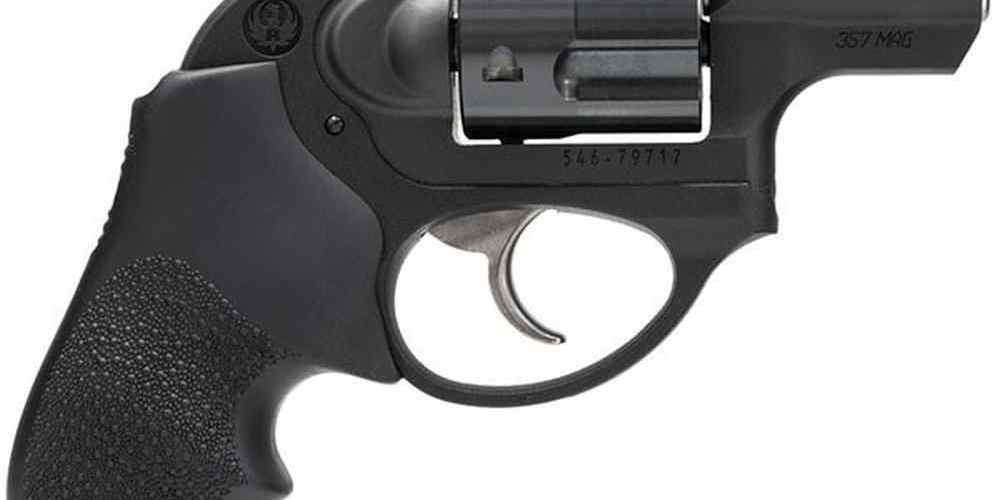
If your goal is dependable performance, especially for self-defense or serious training, choose quality ammunition from reputable manufacturers and test it in your handgun before relying on it. A well-maintained firearm paired with dependable ammo is not just more enjoyable to shoot — it is also safer, more predictable, and better suited to responsible gun ownership.