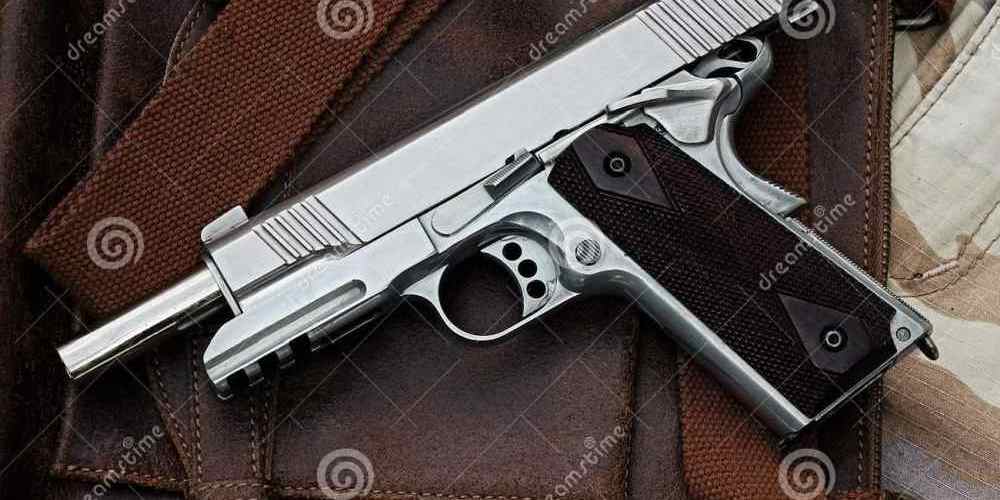
This sight picture method can improve handgun speed dramatically because it teaches you to stop over-aiming and start seeing what truly matters for a fast, accurate shot. Many shooters lose time by chasing a perfect sight picture that is not necessary at defensive or practical distances. The real advantage comes from learning to accept an appropriate level of visual confirmation, then pressing the trigger smoothly without breaking the gun’s alignment. When done correctly, this approach can help you shoot faster while staying safe, controlled, and accountable for every round fired.
The Sight Picture Drill That Speeds Up Shots
The core idea behind this drill is simple: build a repeatable visual process that lets you confirm the front sight, align it with the target, and fire as soon as the sight picture is acceptable for the distance and purpose of the shot. Instead of trying to freeze the sights into a perfect, motionless image, you learn to recognize a usable picture quickly. That matters because most handgun shooting is decided not by microscopic precision, but by efficient visual confirmation and good trigger control.
Historically, handgun training has evolved from slow, deliberate marksmanship toward more practical speed-and-accuracy standards, especially as defensive shooting methods matured in the 20th century. Competitive shooters and defensive instructors alike found that shooters who could index the gun consistently and trust a disciplined sight picture were often faster than those who tried to “aim longer” for perfection. Modern handgun optics have changed some mechanics, but the principle remains the same: a sight picture should support the shot you need, not delay it.
A useful drill is to practice presenting the handgun to eye level, acquiring the front sight or optic dot immediately, and firing dry first, then live fire at controlled distances. Start at close range and use a safe backstop, proper eye and ear protection, and strict range discipline. The goal is not to rush; it is to reduce wasted motion and train your eyes to pick up the sight picture efficiently. Over time, you will notice that your first shot comes sooner because your brain is no longer searching for an overly perfect alignment.
Train Faster Handgun Target Acquisition Today
Fast target acquisition begins before the gun ever moves. Grip consistency, stance, and a clean draw or presentation all affect how quickly your sights appear in your line of vision. If your grip changes each time, the front sight will wander and the dot or irons will take longer to find. A repeatable setup gives you a repeatable sight picture, and repeatability is what translates into speed under stress.
For practical improvement, work on target transitions, close-range visual drills, and low-time presentation work with an unloaded firearm in a safe environment. Dry fire is especially valuable because it lets you isolate the visual and mechanical parts of the shot without recoil distraction. Many experienced shooters use a shot timer, a scaled target, or even a simple wall drill to measure whether they are seeing the sight picture faster while maintaining acceptable accuracy. If you train with a red dot, focus on finding the dot during the presentation rather than hunting for it after the gun is already extended.
It is also worth understanding that not every shooting task demands the same sight picture. A defensive shot at close range may require a flash sight picture, while a longer shot on a hunting or competition target may demand more precise alignment and a steadier hold. Responsible handgun owners should train for the likely use case of their firearm, always within legal boundaries and with a strong emphasis on safety. Speed is valuable only when it is paired with control, judgment, and the ability to place rounds where they belong.
The sight picture method works because it teaches efficiency, not recklessness. By learning to see the front sight or optic quickly, accept a usable alignment, and press the trigger without hesitation, you can improve handgun speed dramatically while preserving accuracy. With safe practice, consistent repetition, and a focus on responsible gun handling, this technique can become one of the most valuable skills in your shooting toolkit.