Why Most People Choose the Wrong Handgun Caliber
Choosing a handgun caliber sounds simple at first. Walk into any gun shop, browse a few forums, or talk with a range buddy, and you’ll quickly hear strong opinions about “the best” caliber for self-defense, target shooting, or concealed carry. But the truth is that a lot of people end up with the wrong caliber because they focus on popularity, myths, or one-size-fits-all advice instead of their own needs, skill level, and intended use. The result is often a handgun that is harder to shoot well, less enjoyable to train with, or less practical than it should be. Responsible gun ownership starts with making informed choices, and caliber selection is one of the most important decisions a shooter can make.===
Why Caliber Choice Goes Wrong for Most Shooters
One of the biggest reasons people choose the wrong handgun caliber is that they let reputation override reality. Calibers like 9mm, .40 S&W, .45 ACP, and .357 Magnum all have loyal followings, and each has legitimate strengths. But many buyers pick a caliber because someone called it “the stopping power caliber” or because they heard that bigger is always better. In practice, a caliber only works well if the shooter can control it, train with it consistently, and place shots accurately under stress.
Another common mistake is ignoring recoil and shootability. A caliber that feels manageable in the store may feel very different after a few magazines on the range, especially in a compact or lightweight handgun. If the recoil slows follow-up shots or causes flinching, the shooter is usually better served by a caliber they can handle confidently. Modern defensive handguns and ammunition have narrowed the practical gaps between popular calibers, which means reliable shot placement and regular practice matter more than chasing the biggest round.
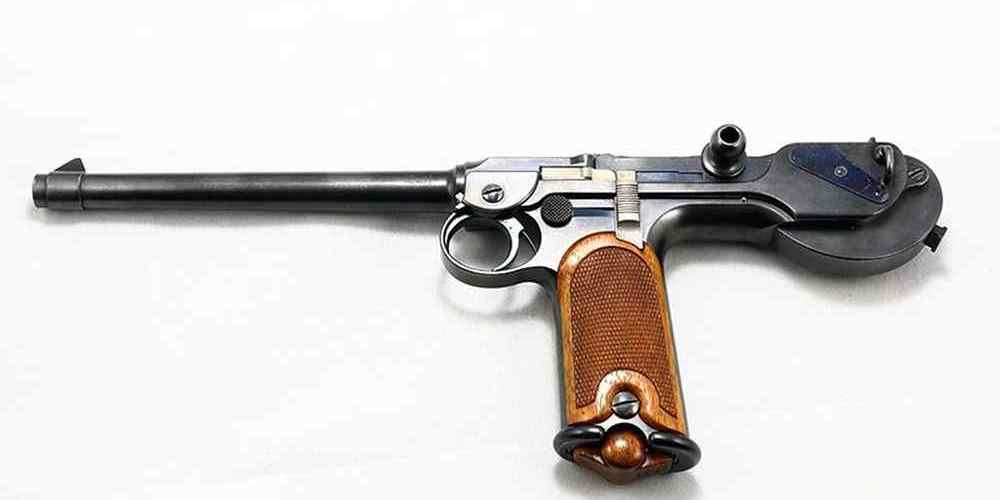
Many buyers also forget that the “right” caliber depends on the job. A concealed carry gun, a home-defense pistol, a range trainer, and a woods sidearm all have different demands. A person who wants a soft-shooting pistol for weekly training may prefer 9mm, while someone carrying in bear country may prioritize a more powerful cartridge or even a different platform entirely. Historical context matters here too: older calibers were often designed around the limitations of their era, while modern bullet design has improved performance across several common handgun rounds. That makes context, not hype, the key to a smart choice.
How to Pick a Handgun Caliber That Fits You
Start with your intended use, then be honest about your skill level. If the handgun is for self-defense, reliability, controllability, and capacity often matter more than raw caliber size. If it is for target shooting or training, affordability and comfort may be the deciding factors. For hunters or backcountry users, the choice may depend on local game laws, expected range, and penetration needs. A caliber that fits your actual use case will almost always outperform a more powerful round you cannot shoot well.
Next, test before you buy if possible. Rental counters, range demos, and borrowing from a trusted, knowledgeable shooter can reveal a lot about recoil, grip comfort, muzzle blast, and accuracy. Pay attention not just to how the handgun feels in your hand, but how it behaves after 50 or 100 rounds. Some shooters discover that a compact 9mm is ideal, while others shoot a larger-framed .45 or .357 much better because of grip size or balance. The best caliber is the one you can run safely, accurately, and repeatedly.
Finally, think beyond the gun itself. Ammunition cost, availability, magazine capacity, and the ease of finding quality practice ammo all influence how often you train. A caliber that is cheap and widely available encourages more range time, and more range time builds competence. Safety should remain the priority: choose quality defensive ammunition from reputable manufacturers, follow all firearm laws, and practice proper storage, handling, and maintenance. In the long run, a well-matched caliber paired with consistent, responsible training is far more valuable than any internet-approved “best” choice.
The wrong handgun caliber is usually not the one that performs worst on paper; it is the one that does not fit the shooter’s needs, ability, or training habits. Popularity, tradition, and online arguments can all distort the decision, but practical experience usually points to a simpler truth: the best caliber is the one you can shoot accurately, safely, and confidently. For most people, that means choosing based on real-world use, not ego or myth. If you approach caliber selection with patience and responsibility, you will end up with a handgun that supports better training, better performance, and safer ownership for years to come.===