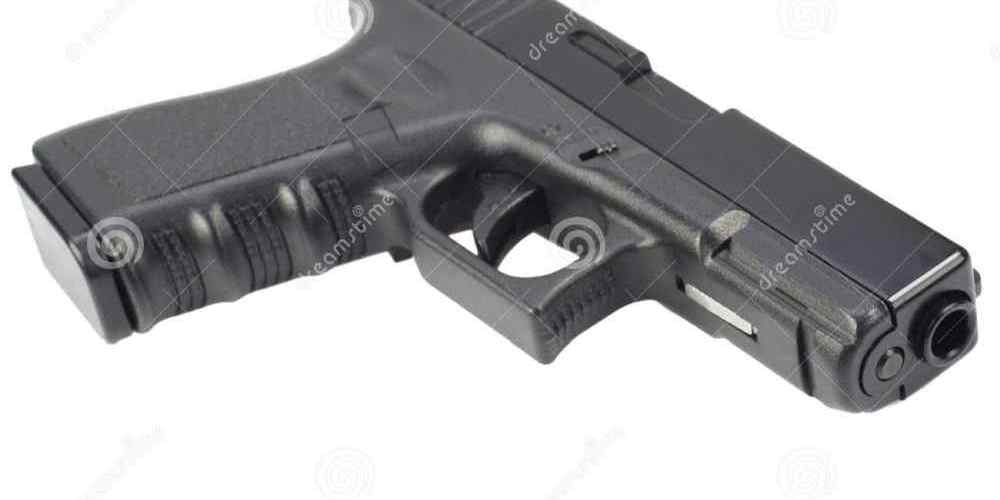
Recoil springs are one of the smallest parts in a handgun, yet they play a major role in how reliably the pistol cycles, feeds, and locks up. Many owners will clean the barrel, oil the slide rails, and inspect magazines, but rarely think about the spring that controls the slide’s forward and rearward movement. Because the part is hidden and usually inexpensive, it’s easy to assume it will keep working indefinitely. In reality, recoil springs are wear items, and overlooking them can affect both performance and safety.
Why Recoil Springs Get Overlooked So Often
One reason recoil springs are ignored is simple visibility. Shooters can see a dirty barrel, cracked grips, or a worn magazine follower, but the recoil spring is buried inside the gun’s action or guide rod assembly. Out of sight often means out of mind, especially for owners who shoot only occasionally and assume that a handgun is either “working” or “broken.” If the pistol still cycles most of the time, many people never think to ask whether the spring is slowly losing tension.
Another factor is that recoil springs don’t usually fail dramatically. They tend to weaken gradually, so the signs can be subtle at first: slightly harsher recoil impulse, more slide battering, ejection that feels less consistent, or occasional feeding issues. Because these changes can also be caused by ammunition, magazines, or technique, the spring gets blamed last. Many handgun owners focus their maintenance on the more obvious parts of the firearm and simply don’t realize how much a tired recoil spring can influence reliability.
History and habit also play a role. Older handguns and milder cartridges often seemed to run for years with very little attention, which created the impression that springs are nearly permanent. Modern pistols are generally more reliable and more mechanically stressed, especially compact carry guns and higher-pressure calibers. For responsible owners, the better approach is preventive maintenance: follow the manufacturer’s recommended replacement intervals, keep a round count if you shoot regularly, and inspect the spring assembly during cleaning. A small amount of attention now can prevent avoidable malfunctions later.
The Hidden Cost of Ignoring Spring Wear
A worn recoil spring can quietly affect the entire operating cycle of the handgun. If the spring loses strength, the slide may return to battery with less authority, increasing the chance of feeding problems or failures to close completely. In some pistols, a weak spring can also cause the slide to batter the frame more aggressively, which may shorten the lifespan of internal components. What starts as a minor maintenance issue can become a reliability problem exactly when a handgun is needed most.
The cost isn’t just mechanical; it can be practical and financial too. If a spring is replaced on schedule, it is usually one of the least expensive parts in the gun. If it is ignored, the resulting wear can contribute to accelerated damage on guide rods, locking surfaces, slide stops, and frames. That means more parts to replace and more time spent diagnosing issues that were avoidable from the start. For self-defense firearms, reliability should never be left to chance, and a fresh recoil spring is one of the simplest ways to preserve it.
The safest habit is to treat recoil springs as consumables, just like magazines or extractor springs, rather than lifelong components. Check your owner’s manual for the recommended interval, especially if you carry the pistol regularly or use defensive ammunition that produces more cycling stress. If the gun is hard to rack, starts ejecting differently, or has unexplained malfunctions, inspection should be part of the first troubleshooting steps. Responsible handgun ownership means paying attention to the parts that do quiet work in the background, and the recoil spring is one of the most important examples.
Most handgun owners neglect recoil springs not because they don’t care, but because the part is easy to forget and rarely announces its wear in an obvious way. Still, a spring that has lost tension can undermine reliability, increase wear, and compromise confidence in the firearm. The good news is that this is one of the easiest maintenance issues to manage with a little routine attention, a round-count log, and respect for manufacturer guidelines. For anyone who values safe, dependable shooting, keeping recoil springs in serviceable condition is a small task with a big payoff.