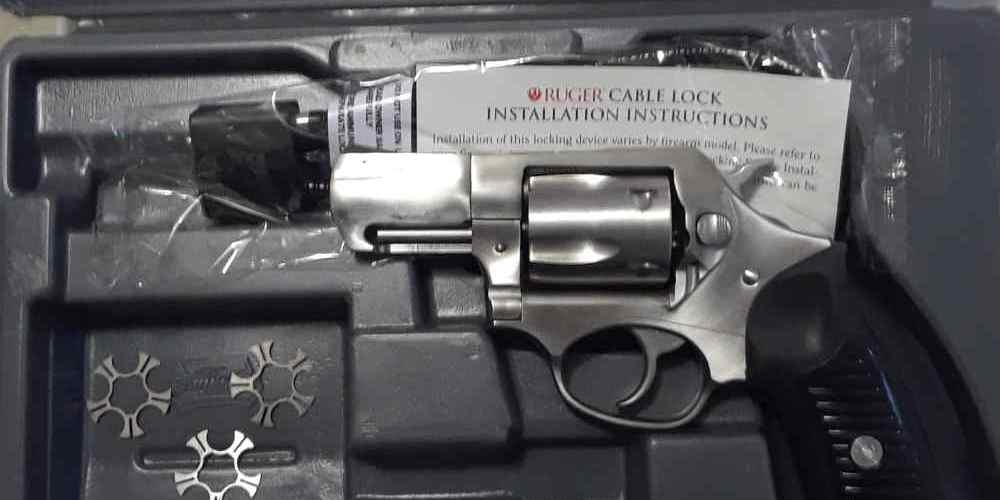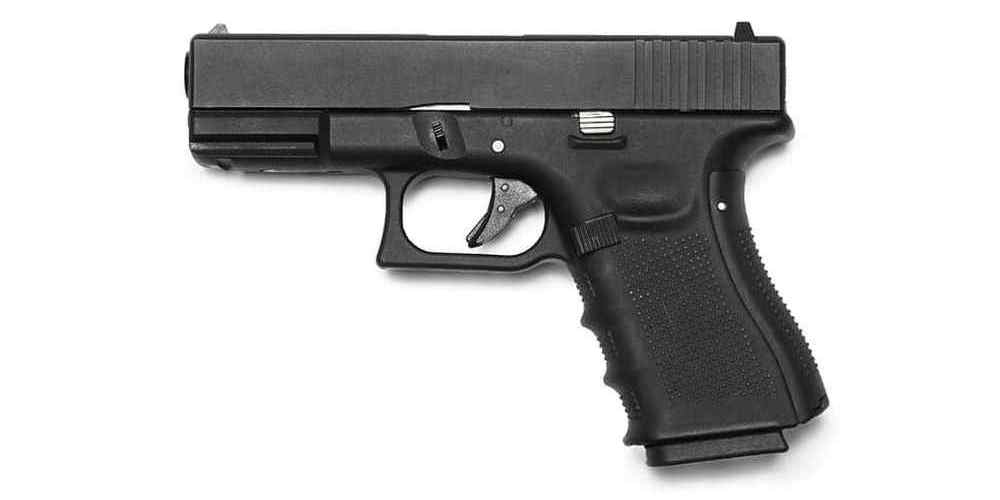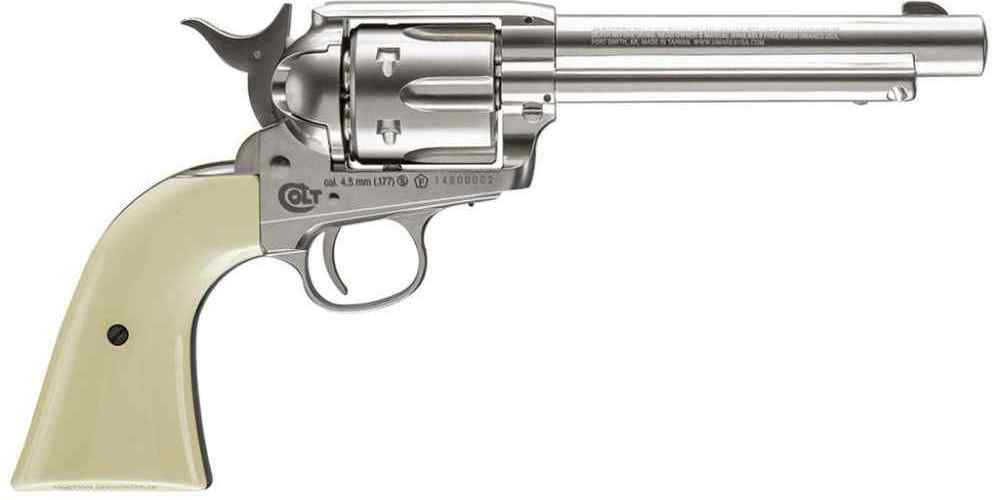
Safe handgun ownership starts long before you ever step onto a range or carry for personal protection. It begins with a habit: a consistent, repeatable safety check that removes guesswork and keeps you aware of your firearm’s condition every single day. Whether your handgun stays in a bedside safe, a range bag, or a concealed carry holster, a few deliberate minutes can make the difference between confident handling and a preventable mistake.
For generations, responsible gun owners have relied on simple routines rather than complicated procedures. That tradition exists for a reason. Firearms are mechanical tools, and like any tool, they deserve regular inspection, proper storage, and disciplined handling. The daily check outlined below is designed to be practical, easy to remember, and useful for both experienced shooters and newer owners who want to build safe habits from the start.
The Daily Handgun Safety Check You Need
A daily handgun safety check should always begin with the basics: assume the firearm is loaded until you personally verify otherwise. Point the handgun in a safe direction, keep your finger completely off the trigger, and remove the magazine if the model uses one. Then open the action and visually and physically inspect the chamber, the magazine well, and the breech area. This is not a shortcut or a “quick glance.” It is a deliberate confirmation that the handgun is unloaded and safe to handle.
Once the firearm is cleared, examine it for any obvious issues. Look for dirt, lint, debris, oil buildup, cracks, unusual wear, or signs that a part may be loose. Handguns carried daily, especially concealed carry pistols, collect pocket lint, sweat, and residue that can affect reliability over time. Check the sights, slide, frame, and controls to make sure nothing has shifted or damaged the firearm since the last use. If the handgun has a manual safety, decocker, or striker status indicator, verify that each control is functioning as intended.
The final part of the daily check is confirming how the handgun will be stored or carried. If it is being loaded for lawful defensive use, follow your state and local laws, use the correct ammunition, and ensure it is seated properly in the magazine and chamber according to the manufacturer’s guidance. If it is going into storage, unload it completely, secure it in a safe or lockbox, and keep ammunition separate when appropriate and lawful. A quality trigger lock, cable lock, or biometric safe can support this routine, but no storage device replaces careful handling and a consistent inspection habit.
A Simple Routine for Safer Handling
A simple routine works best when it becomes automatic. Many responsible gun owners use a four-part habit: safe direction, finger off the trigger, unload and verify, then inspect and store. That sequence is easy to remember and aligns with the core firearm safety rules that have guided shooters for decades. The point is not speed; the point is consistency. A routine repeated the same way every time reduces the chance of skipping a step when you are tired, distracted, or in a hurry.
It also helps to build the safety check into everyday activities. For example, check the handgun when you return home, before cleaning, before dry-fire practice, after a range session, and before placing it into a safe for the night. If the firearm has been exposed to rain, dust, temperature changes, or sweat during concealed carry, add a quick external inspection. In colder climates, watch for condensation when moving a handgun from a cold vehicle to a warm house. Small environmental factors can affect both safety and reliability, and a daily routine keeps those concerns visible.
Finally, good handgun safety includes training your household and staying within the law. Keep firearms inaccessible to unauthorized users, especially children, guests, and anyone prohibited from possessing a gun. Learn your state’s rules on transport, storage, and carry, and stay current on any changes. If you are new to handguns, consider professional instruction from a certified trainer or range officer. The most effective safety routine is not the one that feels impressive; it is the one you actually perform, every time, with calm attention and respect for the responsibility that comes with ownership.
A daily handgun safety check is one of the simplest and most valuable habits a responsible owner can develop. It takes only a few moments, but it reinforces muzzle discipline, trigger discipline, and awareness of your firearm’s condition. That combination protects you, the people around you, and the handgun itself.
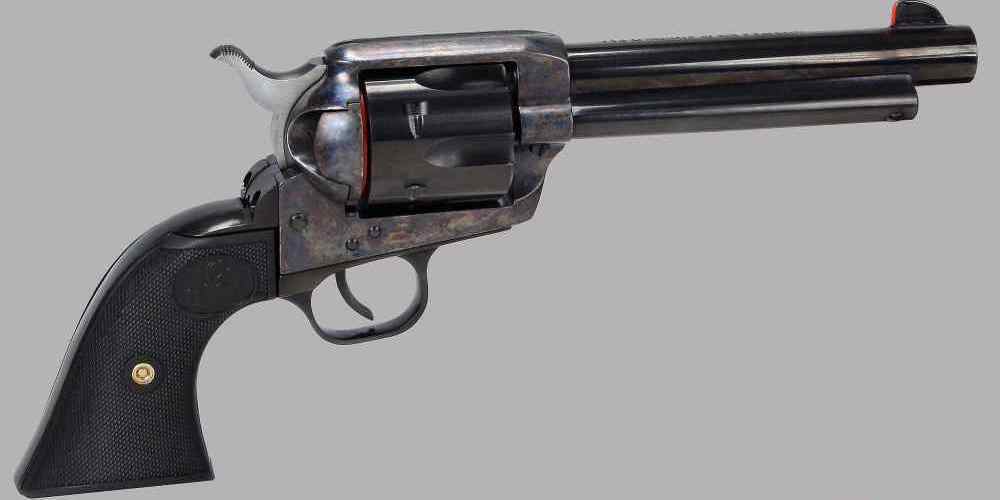
The best part is that this routine does not require special equipment or advanced skill. It requires consistency, patience, and a commitment to doing the same careful steps every day. Whether you are a seasoned shooter or a first-time owner, that mindset is the foundation of safe firearm handling and confident use.