Even seasoned shooters can get comfortable with routine, and that’s exactly when small safety lapses tend to creep in. The habits that feel automatic on a quiet range day can become dangerous when a mag change, a new firearm, a different holster, or a distraction enters the picture. One of the most overlooked range safety practices is not a piece of gear or a fancy accessory—it’s the discipline of doing a deliberate final check every single time you handle a firearm, especially before loading, before firing, and before setting the gun down.
For many experienced gun owners, safety rules are second nature: keep the muzzle pointed in a safe direction, keep your finger off the trigger, and know your target and what’s beyond it. But there’s another layer of responsibility that often gets missed: verifying the firearm’s exact condition right now, not assuming it is in the condition it was a moment ago. That pause takes only seconds, yet it can prevent negligent discharges, range violations, and costly mistakes that happen when familiarity replaces verification.
The Range Safety Habit Even Veterans Forget
The habit most experienced shooters still miss is the deliberate “state check” of the firearm before each major transition. That means confirming whether the gun is loaded, unloaded, on safe, pointed in a safe direction, and ready for the specific action you are about to take. Veterans often trust muscle memory, but firearms do not care how experienced the user is; what matters is the actual condition of the chamber, magazine, safety selector, and trigger discipline at that moment.
Historically, firearms training emphasized repetition because repetition builds competence. That remains true, but older generations of instructors also understood that routine can dull attention. On hunting camps, military ranges, and police training lines, the safest shooters were often the ones who developed a ritual of checking, then checking again, before any handling step. In modern range environments—where people may swap pistols, use optics, change ammo, or share benches—the need for a conscious verification habit is even greater.
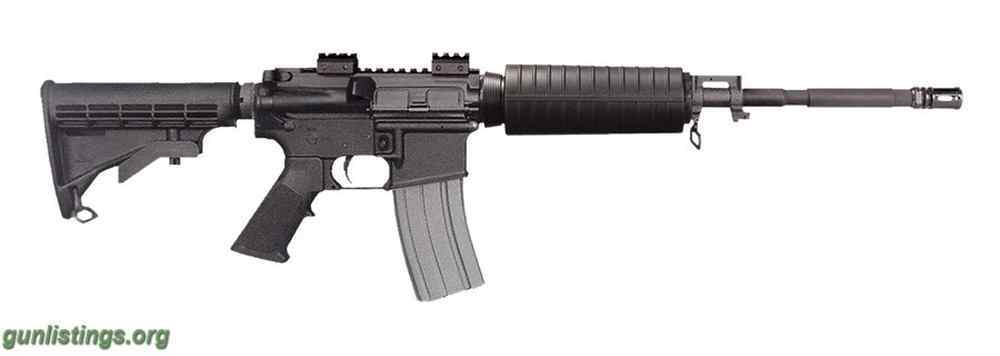
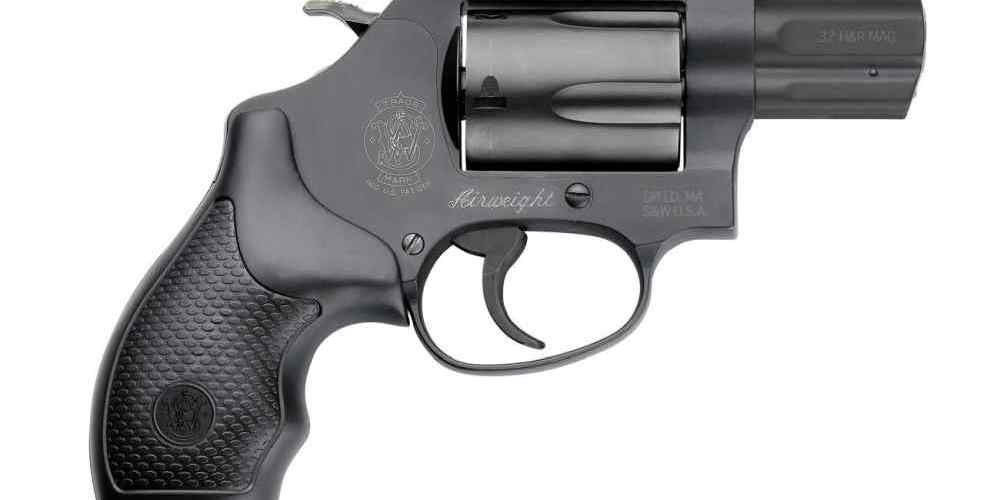
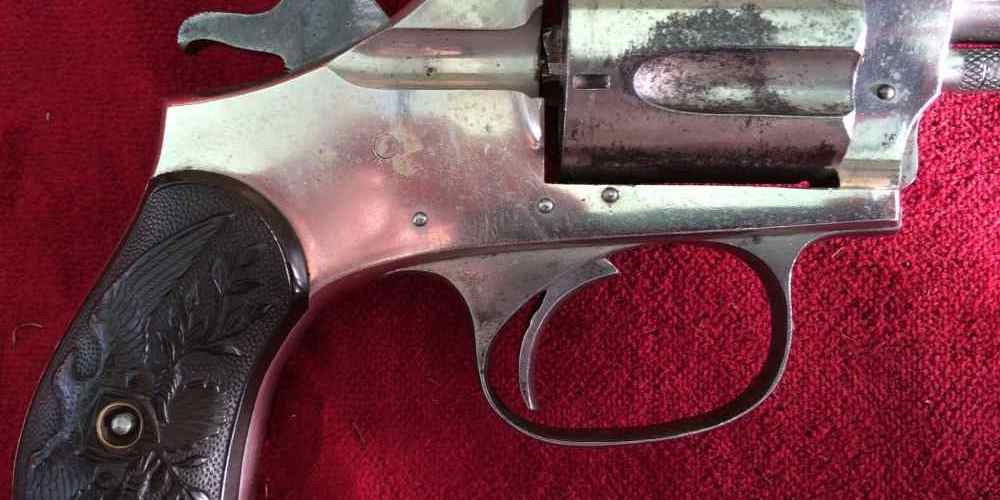
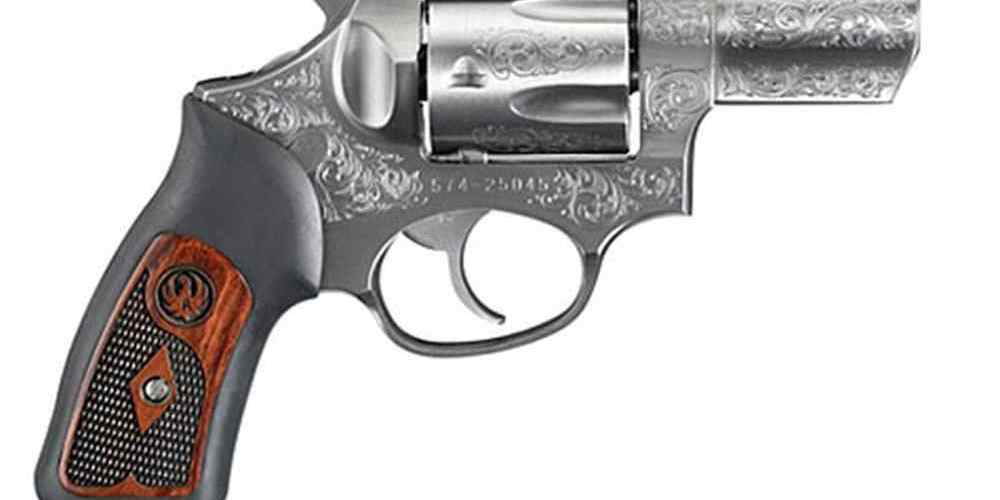
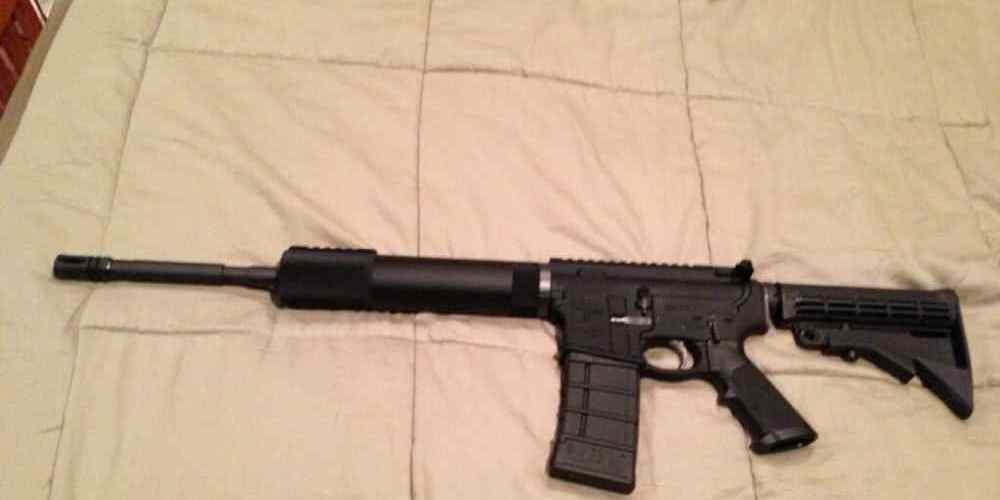
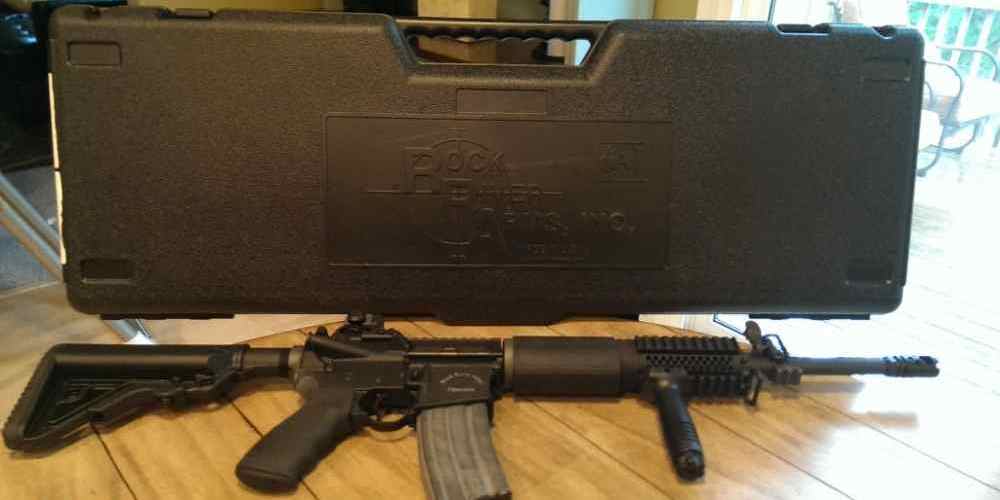
This is especially important with today’s variety of firearm platforms. A striker-fired pistol, a hammer-fired pistol, a revolver, and an AR-pattern rifle each present different visual and mechanical cues. Some have loaded chamber indicators, some do not. Some have manual safeties, some rely entirely on trigger control and safe handling. Experienced shooters sometimes assume they “know the gun,” but every platform deserves the same disciplined pause before action, because design differences can mask assumptions and assumptions are where mistakes begin.
A Simple Check That Prevents Costly Mistakes
A practical way to build safer habits is to use a short, repeatable verification routine every time you pick up, transfer, or lay down a firearm. First, muzzle in a safe direction. Then keep your finger indexed high and outside the trigger guard. Next, visually and physically confirm the firearm’s condition according to the platform’s design—chamber, magazine well, cylinder, bolt position, and safety status. Finally, announce or mentally confirm the next action: loading, clearing, holstering, transporting, or resting the firearm on the bench.
This simple check is useful because it creates a pause between intent and movement. That pause matters when you’re fatigued, talking with friends, responding to range commands, or handling multiple firearms during a session. Many accidental discharges and range incidents happen not because someone forgot the basic rules, but because they skipped the final confirmation step after assuming the gun was already clear. A quick chamber check, especially before cleaning, handing a firearm to another person, or returning it to a case, can prevent an expensive mistake—or worse, a catastrophic one.
It also helps to support the habit with the right equipment and setup. A reliable chamber flag, a well-organized range bag, eye-and-ear protection within reach, and a clean work area all reinforce safe handling. On the technical side, understand how your firearm signals its status: some pistols have tactile and visual chamber indicators, while rifles may require lock-back inspection and a physical chamber check. No product replaces awareness, but tools that make verification easier can reduce error, especially when you are tired, switching between firearms, or helping new shooters learn proper procedures.
Experienced shooters are often the best ambassadors for safety because newer gun owners watch what veterans do more closely than what they say. That’s why the overlooked final check matters so much: it turns safety from a slogan into a visible, repeatable habit. The most responsible shooters aren’t the ones who never make mistakes; they’re the ones who build systems that keep small mistakes from becoming serious incidents.
If there’s one takeaway, it’s this: never rely on memory alone when handling firearms. Verify the gun’s condition every time, use the same safe routine consistently, and treat every transition as a moment that deserves your full attention. In a community built on skill, discipline, and respect for the craft, that extra second of confirmation is one of the simplest ways to protect yourself, your shooting partners, and everyone around you.