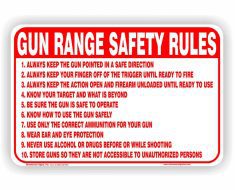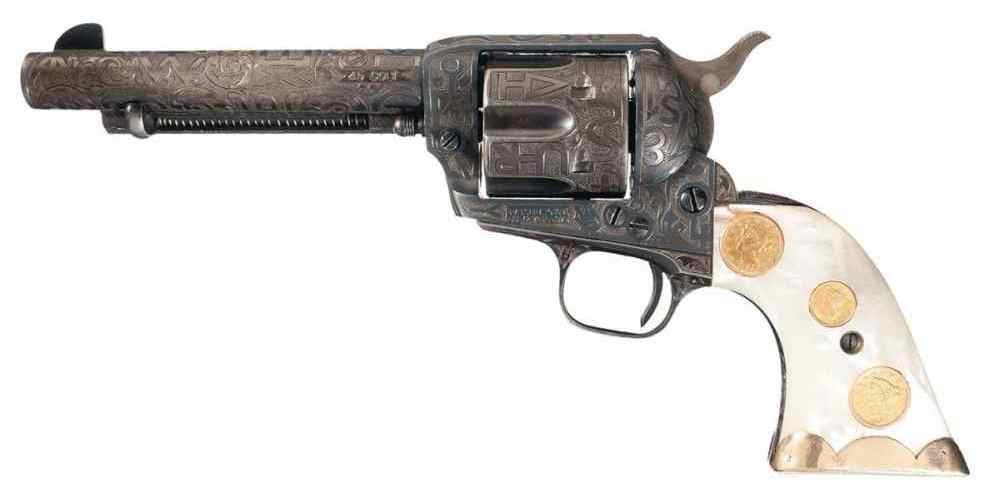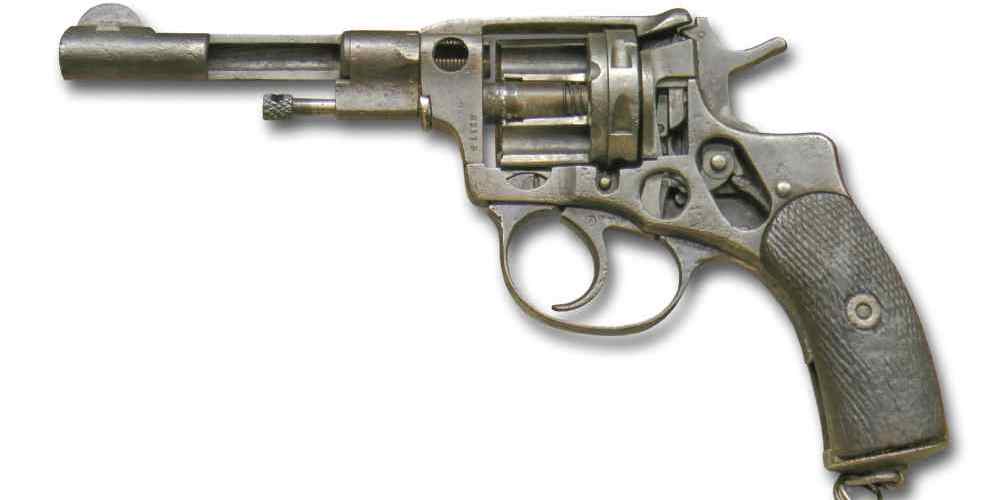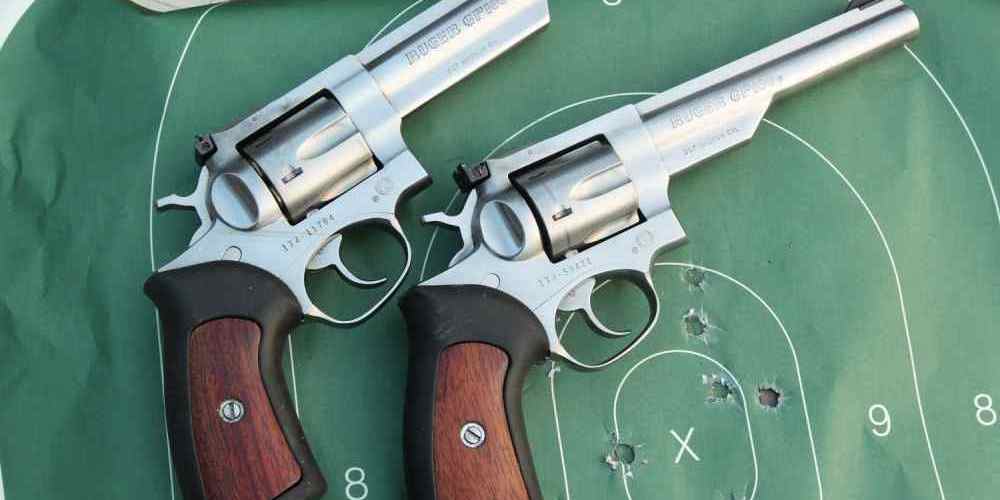
Most people who own firearms, train occasionally, or carry for personal protection believe they are better prepared than they really are. That confidence is not always arrogance; often it comes from limited exposure to realistic stress, controlled training environments, and the natural human tendency to judge ourselves by our intentions rather than our performance. In defensive contexts, that gap can matter. Responsible gun ownership starts with honest self-assessment, because skill with a firearm is not just about marksmanship on a calm range day. It also includes judgment, legal knowledge, safety discipline, manipulation under pressure, and the ability to make sound decisions in seconds.
Why People Misread Their Defensive Readiness
A major reason people overestimate their defensive skills is that they confuse familiarity with competence. Someone may shoot regularly at a static range, clean their firearm carefully, and know the basic parts of their handgun or rifle, yet still be unprepared for the complexity of a defensive encounter. Defensive readiness is not simply whether you can hit a paper target at 10 yards. It includes movement, target identification, low-light awareness, stress management, and the ability to avoid making deadly mistakes. Historical lessons from law enforcement and civilian incidents alike show that real confrontations are fast, loud, confusing, and physically taxing in ways that square-range practice cannot fully replicate.
Another reason is the powerful effect of self-selection bias. People who buy defensive gear, attend a few classes, or spend time watching instructional content often feel motivated and informed, so they assume they are “above average.” In reality, many gun owners have modest training histories and limited exposure to scenario-based decision-making. A well-fitted holster, a reliable striker-fired pistol, or a quality red-dot sight can improve readiness, but equipment does not replace skill. The best gear still requires competent use under stress, with safe muzzle discipline, trigger control, and a deep understanding of when not to draw or fire.
Finally, many people assess themselves against the wrong standard. They compare their abilities to untrained individuals rather than to the demands of a genuine defensive event. That is a dangerous metric. A defensively competent gun owner should understand the legal and moral boundaries of force, know how to identify threats accurately, and be able to keep composure while communicating, retreating if possible, or seeking cover. The most responsible carriers and home defenders are often the ones who stay humble, train consistently, and treat every improvement—whether in grip, reload efficiency, or decision-making—as part of a lifelong process rather than proof of mastery.
The Skill Gaps That Training Often Hides
Traditional training can hide important skill gaps because it often removes the very factors that expose weakness. On a clean, well-lit range with clear commands and no time pressure, many shooters perform adequately. But defensive use may involve awkward angles, imperfect clothing, reduced visibility, adrenaline, and the need to process rapidly changing information. A shooter may have excellent group size on paper yet struggle with safe one-handed manipulation, clearing a malfunction, or making a clean, legally justified decision under pressure. This is why reputable instructors emphasize fundamentals, repetition, and increasingly realistic drills rather than “gaming” a qualification.
Technical proficiency also gets overstated when people practice only what feels comfortable. Many gun owners shoot their favored caliber, from their preferred stance, at predictable distances, using a full magazine and ample time. That kind of practice has value, but it can conceal weaknesses in recoil control, drawstroke efficiency, magazine changes, and presentation from concealment. Product choices matter here: a dependable belt, a quality holster with full trigger protection, and optics or night sights that match the user’s skill level can improve performance, but they must be integrated into training. Safe dry-fire practice, conducted with strict clearing procedures and no live ammunition present, can reveal manipulation flaws that live fire may not.
The hardest skill gap is often mental, not mechanical. Defensive gun use is as much about judgment as it is about shooting. Can you identify a true threat quickly? Can you avoid escalating a non-deadly encounter? Do you know your state and local laws regarding use of force, carry, storage, and transport? Can you articulate why a decision was necessary afterward? Many people never test these questions until it is too late. Serious practitioners improve by taking vetted defensive courses, reviewing legal guidance from qualified attorneys in their jurisdiction, using safe storage solutions at home, and training for de-escalation as deliberately as they train for shooting. Real preparedness is measured by how well you manage risk, not by how confident you feel before anything happens.
Overestimating defensive skill is easy because confidence feels like readiness, and familiarity feels like mastery. But responsible firearm ownership demands more than optimism. It requires honest evaluation, ongoing training, sound equipment choices, and a clear understanding of both safety and legality. The most capable gun owners are usually not the loudest or most certain; they are the ones who keep learning, keep measuring, and keep their standards high. In the end, humility is not a weakness in defensive training—it is one of its strongest protections.