Negligent discharges are rarely the result of “bad luck.” More often, they trace back to a simple failure of ownership: not truly knowing, maintaining, and respecting the firearm in your hands. The habit that prevents most negligent discharges is consistent, attentive ownership—treating your gun as a precision tool that demands familiarity, routine inspection, and disciplined handling every single time. For responsible gun owners, that mindset is not optional; it is the foundation of safety, confidence, and long-term reliability.
The Ownership Habit That Stops Negligent Discharges
The most effective habit is also the most overlooked: regularly verifying the status, condition, and controls of your firearm until safe handling becomes second nature. That means knowing whether the chamber is clear, understanding how the trigger, safety, magazine release, decocker, or manual safety actually function, and making a habit of checking before storage, transport, and use. A gun owner who truly “owns” the gun in the practical sense—not just legally—knows its operation intimately and never relies on assumptions.
This matters because many negligent discharges happen during moments of routine overconfidence. A person may believe a firearm is unloaded, forget a round in the chamber, or mishandle a gun while cleaning, holstering, or passing it to another person. Consistent ownership habits interrupt that chain of mistakes. Simple steps like visually and physically verifying the chamber, keeping the muzzle pointed in a safe direction, and removing ammunition from the workspace during maintenance dramatically reduce risk.
Good ownership also includes preventive maintenance and equipment awareness. Worn holsters, damaged magazines, improper aftermarket parts, or debris in the action can all create dangerous handling problems. Responsible owners inspect their firearms, learn their manufacturer’s recommendations, and use quality gear that matches the platform. If you carry daily, hunt seasonally, or shoot for sport, the same principle applies: know your firearm, maintain it properly, and never let familiarity turn into complacency.
Why Consistent Gun Ownership Saves Lives
Consistent gun ownership saves lives because it builds reliable habits that work under stress. When a firearm is used for self-defense, there is no time to “figure it out” in the moment. A person who has practiced safe loading, unloading, storage, and trigger discipline is far less likely to make a fatal mistake in the dark, under pressure, or while distracted. Safety is not just about avoiding accidents at the range—it is about creating a dependable system of behavior that holds up in real life.
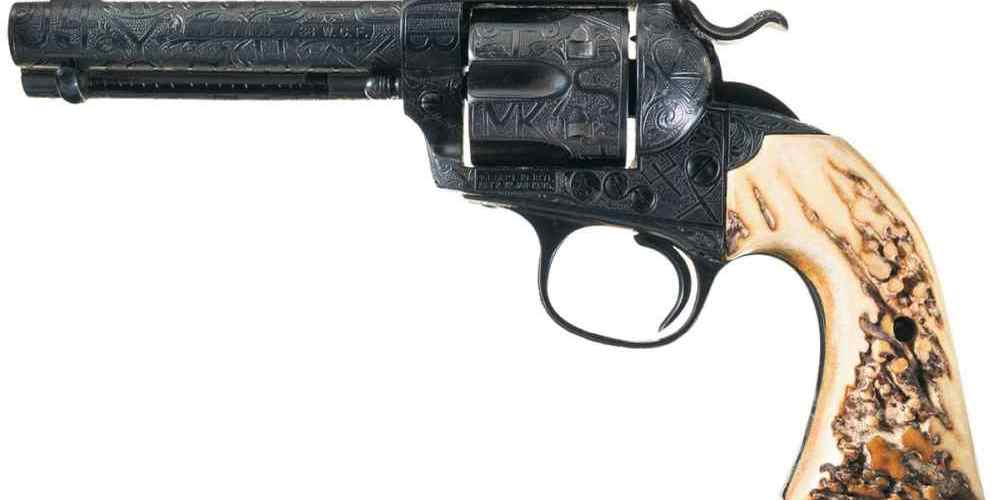
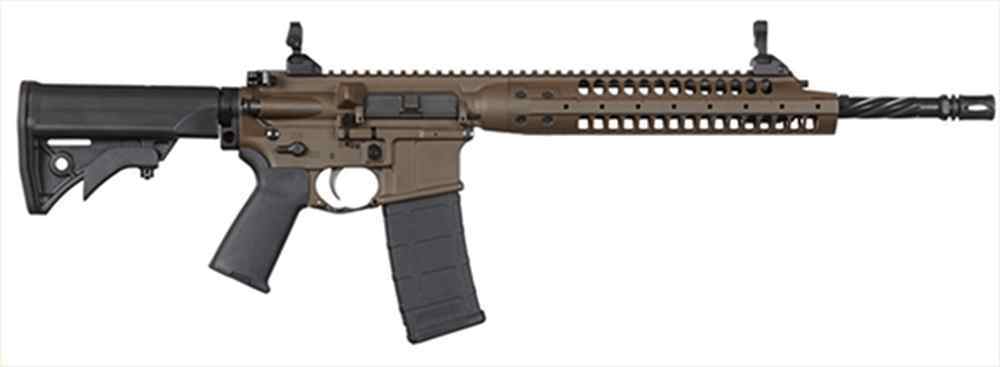
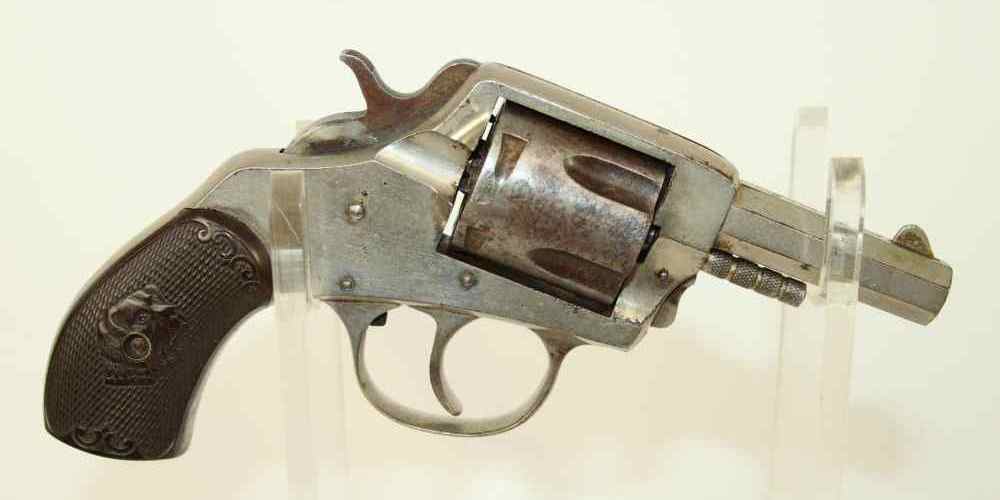
Historical firearms use supports this idea. In the earlier days of widespread revolver and rifle ownership, people who depended on their guns for hunting, livestock protection, or frontier defense knew their tools intimately because failure had immediate consequences. Modern gun owners inherit that same responsibility, even if their use is different. Today’s firearms may be more advanced, but the need for disciplined handling has not changed. A modern striker-fired pistol, a hunting shotgun, or a precision rifle all demand the same core virtues: awareness, training, and respect.
For practical ownership, that means building a routine you can repeat without hesitation. Store firearms securely, train regularly with qualified instruction, keep ammunition organized separately when appropriate, and ensure every person in the home understands safe handling rules. If your firearm uses a manual safety, learn when and how to engage it without relying on it as a substitute for discipline. If it does not, your trigger management and handling habits matter even more. Responsible ownership saves lives because it turns safety from a slogan into a habit—and habits are what prevent tragedy.
In the end, the habit that prevents most negligent discharges is not a gadget, a gimmick, or a shortcut. It is ownership in the deepest sense: knowing your firearm, maintaining it, respecting it, and handling it consistently as if safety depends on your attention—because it does. Whether you are a hunter, concealed carrier, competitive shooter, or lifelong enthusiast, the same principle applies. Own the gun well, and the gun is far more likely to serve you safely, reliably, and responsibly for years to come.