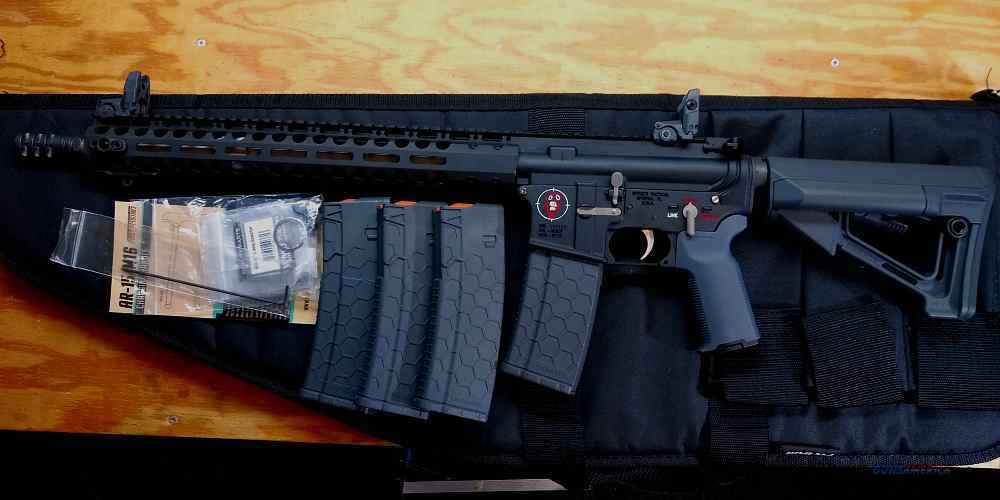
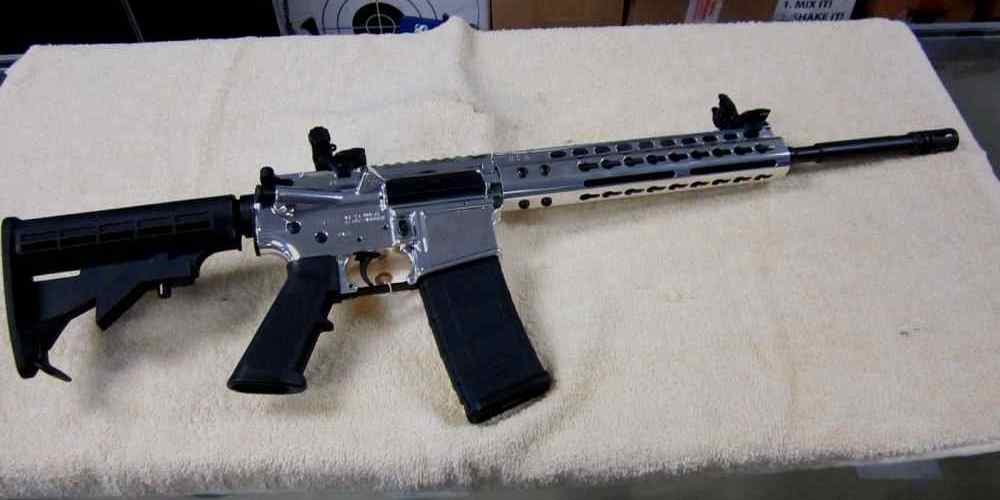
An AR-15’s balance is one of those details you don’t fully appreciate until you spend real time behind the rifle. A gun that feels nose-heavy can be fatiguing during long range sessions, slow to transition between targets, and awkward to carry in the field. On the other hand, a setup that sits naturally in the hands can feel faster, steadier, and more controllable without changing the rifle’s core reliability or purpose.
One of the simplest ways to influence that feel is with handguard length. While many shooters focus on barrels, optics, or stocks, the handguard quietly affects how the rifle distributes weight and where your support hand naturally lands. In practical terms, choosing the right length can make an AR-15 feel noticeably better almost immediately.

That’s why this “handguard length trick” gets so much attention among serious shooters: it’s not a gimmick, but a smart way to tune handling for your body, your gear, and your use case. As always, any changes to a firearm should be made with safety, legal compliance, and proper installation in mind.
Why Handguard Length Changes AR-15 Balance
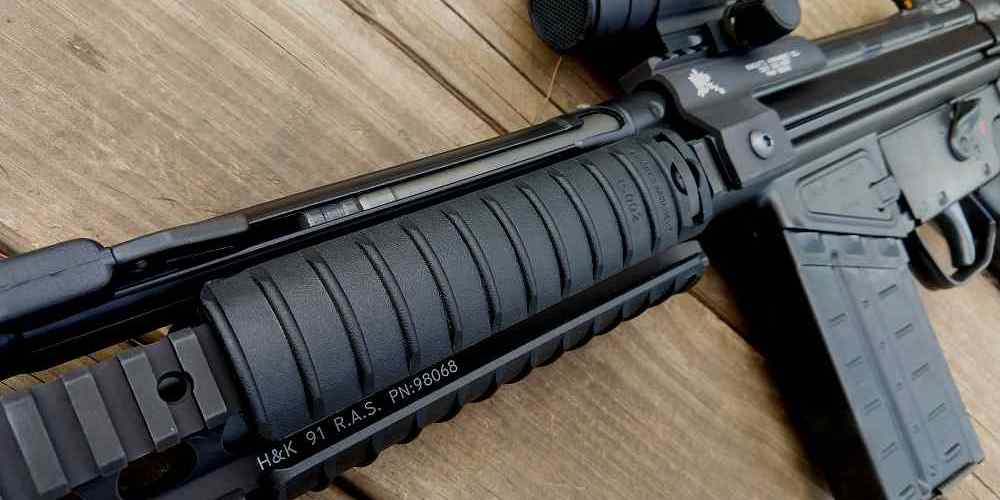
Handguard length changes balance because it shifts mass along the rifle’s front end and alters where your support hand can interface with the gun. A longer handguard typically adds a bit more forward weight, especially once you account for accessories like lights, lasers, bipods, or sling attachments. That extra length can make the rifle feel more stable for some shooters, but it can also create a front-heavy sensation if the setup is already weighted toward the muzzle.
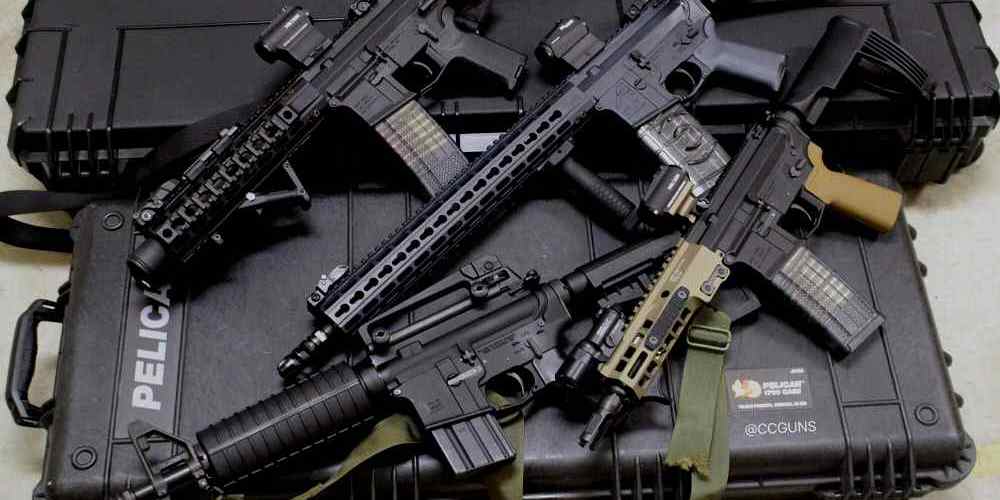
Historically, the AR platform evolved from the original fixed-length service rifle into a modular system where handguards could be tailored to mission needs. As free-float handguards became more common, shooters gained more control over accessory placement and support-hand position. That modularity is one reason the AR-15 remains so adaptable: a small change in rail length can meaningfully change how the firearm behaves in the hands.
The balance effect is especially noticeable because the AR-15 is often configured with modern accessories. An optic, weapon light, suppressor, backup sights, and even a loaded magazine can all influence the center of gravity. Handguard length won’t fix poor setup choices, but it can help “tune” the rifle so the weight feels intentional instead of lopsided.
Choosing the Right Length for Faster Handling
The right handguard length depends on how you use the rifle. For close-range defensive use or general-purpose carbines, many shooters prefer a handguard that lets them extend the support hand comfortably without making the rifle feel overly long. That extra reach can improve control during recoil and make transitions feel smoother, especially when paired with a modern, thumb-forward grip.
If your goal is faster handling, think in terms of practical movement rather than appearance. A handguard that’s too short can force a cramped support-hand position and limit accessory placement, while one that’s too long can slow target transitions and make the rifle feel more cumbersome. The best length is usually the one that allows a stable grip, proper trigger control, and comfortable manipulation without excess bulk.
A good rule is to match handguard length to your barrel, intended role, and body mechanics. Hunters often appreciate a setup that balances well while remaining easy to carry through brush. Self-defense practitioners may value a slightly longer handguard for better control and light placement. Range shooters experimenting with speed should test different lengths carefully, making sure the rifle remains safe, reliable, and properly zeroed after any modifications.
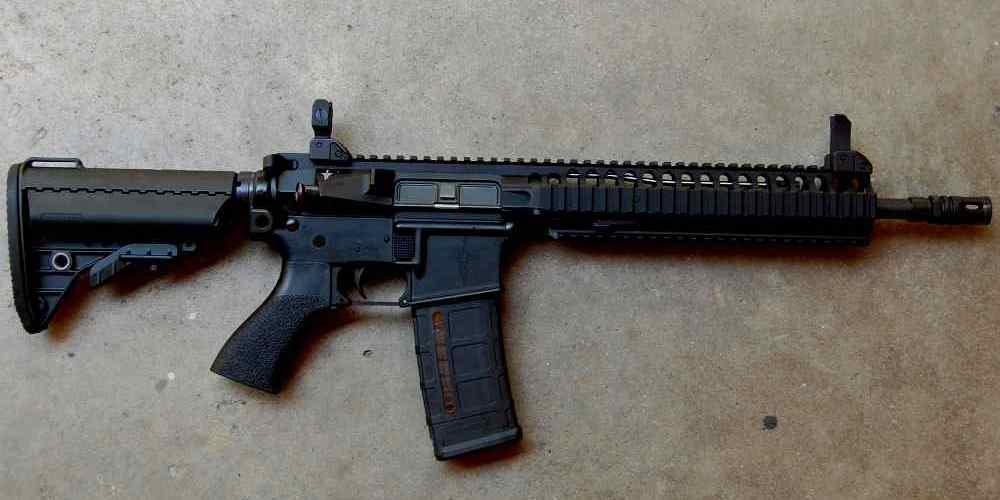
The real “trick” behind better AR-15 balance is understanding that small changes can have a big effect. Handguard length influences where the rifle wants to sit in your hands, how fast it moves, and how tiring it feels over time. When chosen thoughtfully, it can make an AR-15 feel more responsive and more natural almost immediately.
Still, the best setup is always the one that fits your needs, your training, and your legal environment. Before changing any component, verify compatibility, follow manufacturer instructions, and ensure any work is performed safely. A well-balanced rifle is only an advantage when it remains dependable, responsibly handled, and used within the bounds of the law.
For firearm owners who care about practical performance, handguard length is worth serious attention. It’s one of the easiest ways to improve comfort and handling without reinventing the rifle. Spend the time to choose wisely, train safely, and your AR-15 will reward you with a feel that’s steadier, quicker, and better suited to the way you actually shoot.