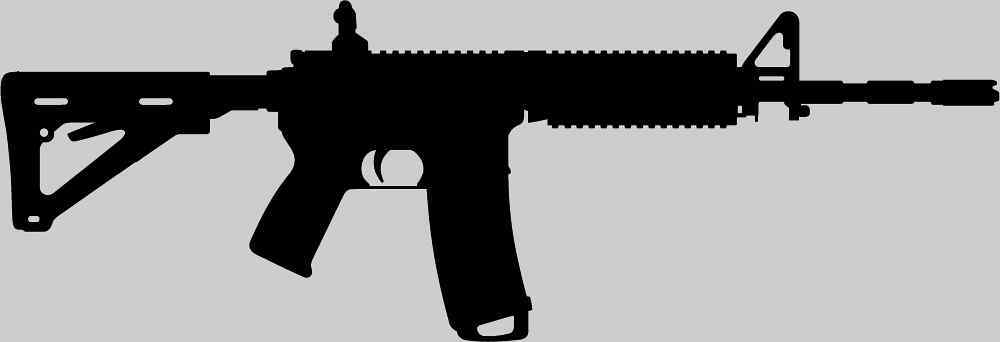
A well-tuned AR-15 is a pleasure to shoot, and much of that comfort comes down to how the rifle cycles. The right buffer and spring combination can reduce harsh recoil impulse, smooth out bolt movement, and make the entire shooting experience feel more controlled. For owners who value reliability, consistency, and responsible use, this is one of the simplest upgrades worth understanding.
While the AR-15’s direct-impingement system is known for manageable recoil, it still depends on balanced timing between gas pressure, buffer weight, spring tension, and ammunition. When those parts work together properly, the rifle feels softer, runs cleaner, and is less likely to suffer feeding or extraction issues. That is why so many experienced shooters pay close attention to the buffer system before chasing more complicated fixes.

Why This Buffer-Spring Combo Cuts Recoil
The AR-15 does not “recoil” in the same way as larger rifles, but the shooter still feels the action cycle. A buffer spring combo helps tame that movement by slowing rearward bolt carrier travel and easing the carrier back into battery with less abrupt force. Instead of a sharp, snappy impulse, the rifle feels more linear and controlled.
Historically, the AR platform was designed around a carefully balanced reciprocating system. That balance is part of why the rifle became so popular with military users and later with civilians, hunters, and competition shooters. When a buffer and spring are matched correctly to the gas system and ammunition, the rifle’s movement feels noticeably smoother because the action is no longer slamming through its cycle with unnecessary speed.
For practical shooters, the benefit is easy to notice at the range. Muzzle rise can feel more manageable, sight recovery is quicker, and follow-up shots tend to be more consistent. Just as important, a properly chosen combo can reduce wear on internal parts, which supports long-term reliability and helps the rifle stay in serviceable condition with routine maintenance.
How It Helps AR-15s Run Smoothly Every Time
A smooth-cycling AR-15 is usually a reliable AR-15, and that is where the buffer-spring combo really earns its keep. By moderating bolt carrier speed, it helps the rifle feed, extract, and eject in a more predictable pattern. That consistency matters whether you are zeroing optics, training for self-defense, or simply trying to avoid malfunctions during a long day at the range.
There are also practical tuning benefits for different setups. Short-barreled rifles, suppressed rifles, and carbines with different gas lengths often run best with a buffer and spring selected for that specific configuration. The goal is not to chase the heaviest parts possible, but to match the system so the rifle cycles with enough energy to function reliably without being overdriven.
Of course, responsible gun ownership means verifying any change with safe testing. After installing a new buffer spring combo, check function with the ammunition you plan to use, confirm proper bolt lock-back, and inspect for unusual wear patterns. Follow the manufacturer’s guidance, keep the firearm unloaded during adjustments, and remember that smooth cycling is valuable only when it supports safe, legal, and dependable operation.
The appeal of this buffer-spring combo is straightforward: it helps the AR-15 feel calmer, cycle more smoothly, and operate with greater consistency. For many owners, that means improved comfort at the range and better confidence in the rifle’s performance. It is a small upgrade with an outsized impact when chosen correctly.
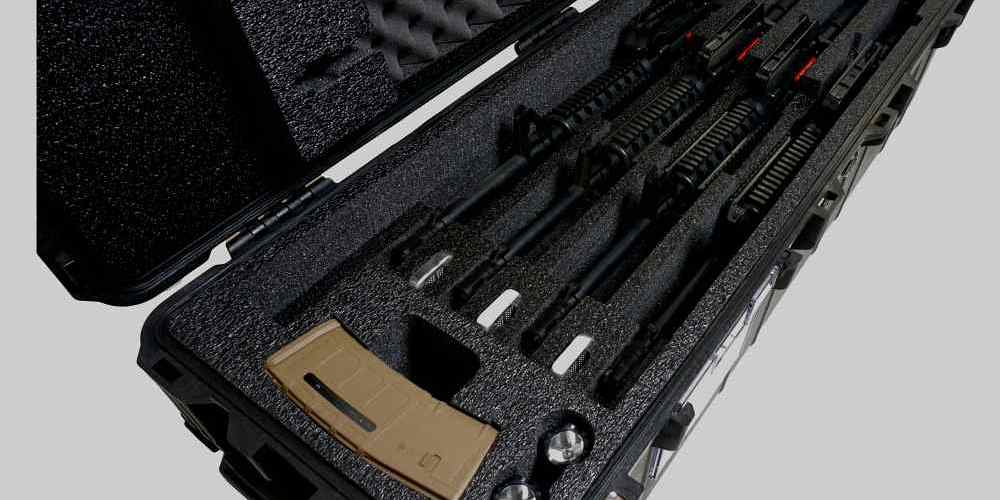
As with any firearm component, the best results come from a thoughtful match between parts, ammunition, and intended use. Whether you are building a lightweight carbine, a hunting rifle, or a dependable defensive setup, the buffer system deserves careful attention. In the end, smoother cycling is not just about performance; it is about making a trusted rifle safer, more predictable, and better suited to responsible shooting.