The Story Behind the M1 Garand Rifle
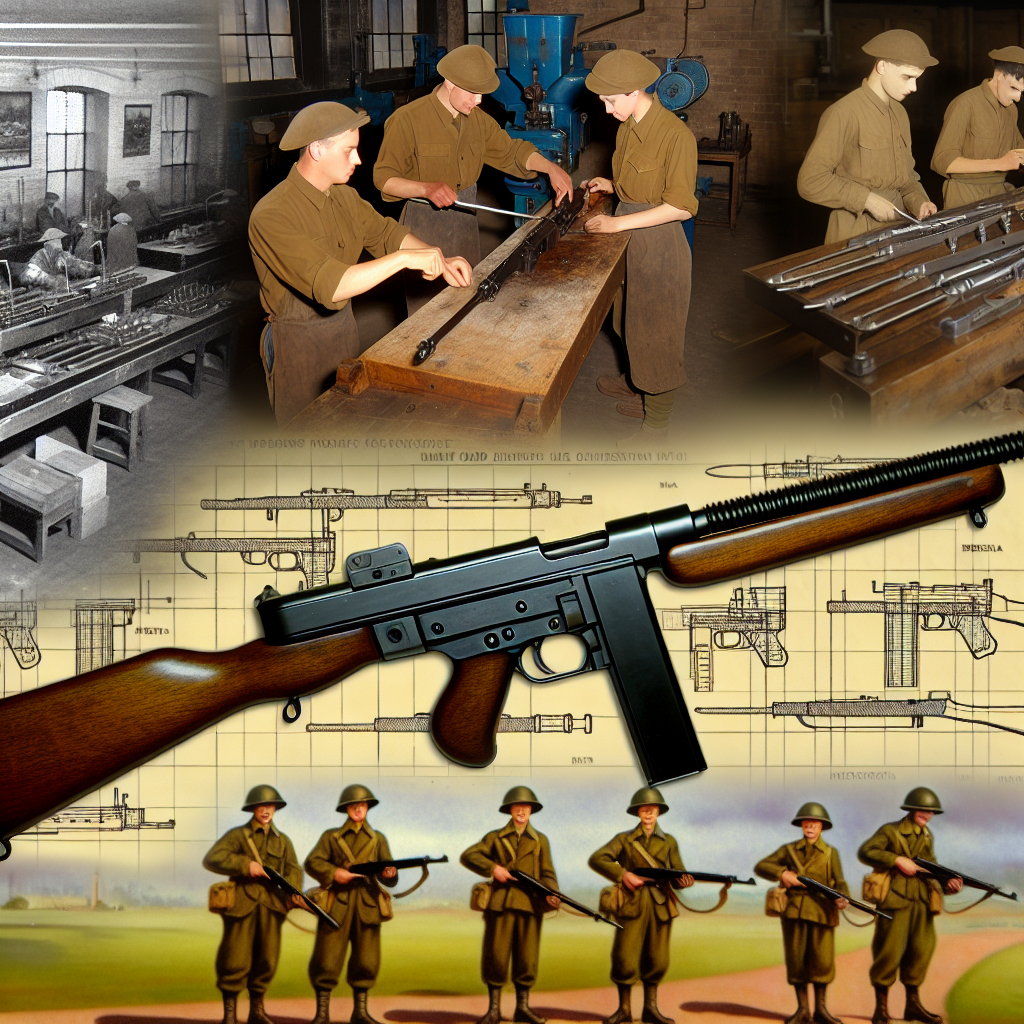
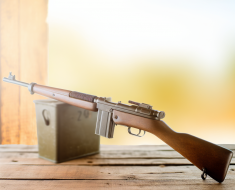
The M1 Garand rifle stands as one of the most iconic firearms in American military history. Revered for its innovation, reliability, and impact on warfare, this semi-automatic rifle played a pivotal role in shaping the outcome of World War II and beyond. But behind every legendary weapon lies a fascinating story of invention, development, and deployment. This article delves deep into the origins, design, and legacy of the M1 Garand rifle, providing a comprehensive understanding of why it remains a symbol of American ingenuity and military prowess.
Origins and Development: From Concept to Reality
The inception of the M1 Garand rifle dates back to the early 20th century when militaries around the world sought to improve infantry firepower. Prior to its introduction, most armies primarily relied on bolt-action rifles, which required manual cycling after each shot. These weapons were accurate but limited in rate of fire.
In 1924, John C. Garand, a Canadian-born firearms designer working for the Springfield Armory in Massachusetts, was tasked with creating a semi-automatic rifle for the U.S. Army. His goal was to develop a weapon that could provide soldiers with faster follow-up shots without sacrificing accuracy or reliability.
- Early Prototypes: Garand’s initial designs underwent rigorous testing and revisions throughout the late 1920s and early 1930s.
- Challenges: Developing a gas-operated mechanism that could reliably cycle rounds without frequent jams was a significant hurdle.
- Army Trials: In 1936, after extensive evaluations against competing designs like those from Pedersen and others, Garand’s rifle was officially adopted as the “United States Rifle, Caliber .30, M1.”
This marked a revolutionary step forward for infantry weapons worldwide—ushering in an era where semi-automatic rifles became standard issue for frontline troops.
Design Features: Innovation That Changed Warfare
The M1 Garand’s design combined simplicity with cutting-edge technology of its time. It featured several key innovations that made it stand out from its contemporaries:
- Semi-Automatic Operation: Utilizing a gas-operated system with a rotating bolt, the rifle automatically ejected spent cartridges and loaded fresh rounds from an eight-round en-bloc clip.
- Robust Construction: Made primarily from steel and wood, it was durable enough to withstand harsh battlefield conditions.
- Sights: Equipped with adjustable rear aperture sights for accuracy at various ranges up to 600 yards.
- Clip System: The en-bloc clip allowed rapid reloading; once emptied, it would eject with an audible “ping” sound—a characteristic feature well known among soldiers.
This combination allowed U.S. soldiers to fire more rounds per minute compared to enemy forces equipped mostly with bolt-action rifles such as the German Kar98k or Japanese Arisaka Type 99. The increased rate of fire offered significant tactical advantages during engagements.
M1 Garand in Combat: Impact During World War II and Beyond
The real test for any weapon is performance under combat conditions. The M1 Garand proved itself decisively during World War II after being issued widely starting in 1937. It became standard infantry gear for American troops across multiple theaters including Europe, North Africa, and the Pacific.
Some key points about its combat effectiveness include:
- Tactical Superiority: Soldiers armed with M1s could lay down sustained suppressive fire more effectively than those using bolt-action rifles—greatly increasing squad-level firepower.
- User Feedback: General George S. Patton famously called the M1 “the greatest battle implement ever devised.” Many infantrymen praised its reliability under extreme weather conditions and ease of maintenance.
- Korean War Usage: The rifle continued to serve prominently during the Korean War despite emerging competition from newer designs like the M14 and later assault rifles.
The M1’s presence fundamentally changed infantry tactics by enabling faster target engagement and better battlefield adaptability. Its use contributed substantially to Allied successes during key battles such as Normandy (D-Day), the Battle of the Bulge, and island-hopping campaigns in the Pacific.
The Legacy of John C. Garand: Inventor Behind The Rifle
John Cantius Garand’s name might not be as famous as some military leaders or politicians from his era, but his contribution is immortalized through this revolutionary firearm. Born in Canada in 1888, Garand immigrated to America where he began working at Springfield Armory shortly after graduating from college.
- Lifelong Dedication: Over three decades at Springfield Armory saw him improve various weapon designs before perfecting his semi-automatic rifle concept.
- Award Recognition: Although he never became wealthy from his invention (he received no royalties), Garand was honored with medals including an honorary promotion by President Franklin D. Roosevelt in recognition of his service.
- Post-War Life: He retired quietly but remained respected among firearms engineers and historians for decades until his death in 1974.
The enduring respect for John C. Garand reflects the profound impact his innovation had on military firearms, shaping modern infantry tactics. His legacy continues to inspire engineers and enthusiasts alike.