The Story of the Colt Python Revolver
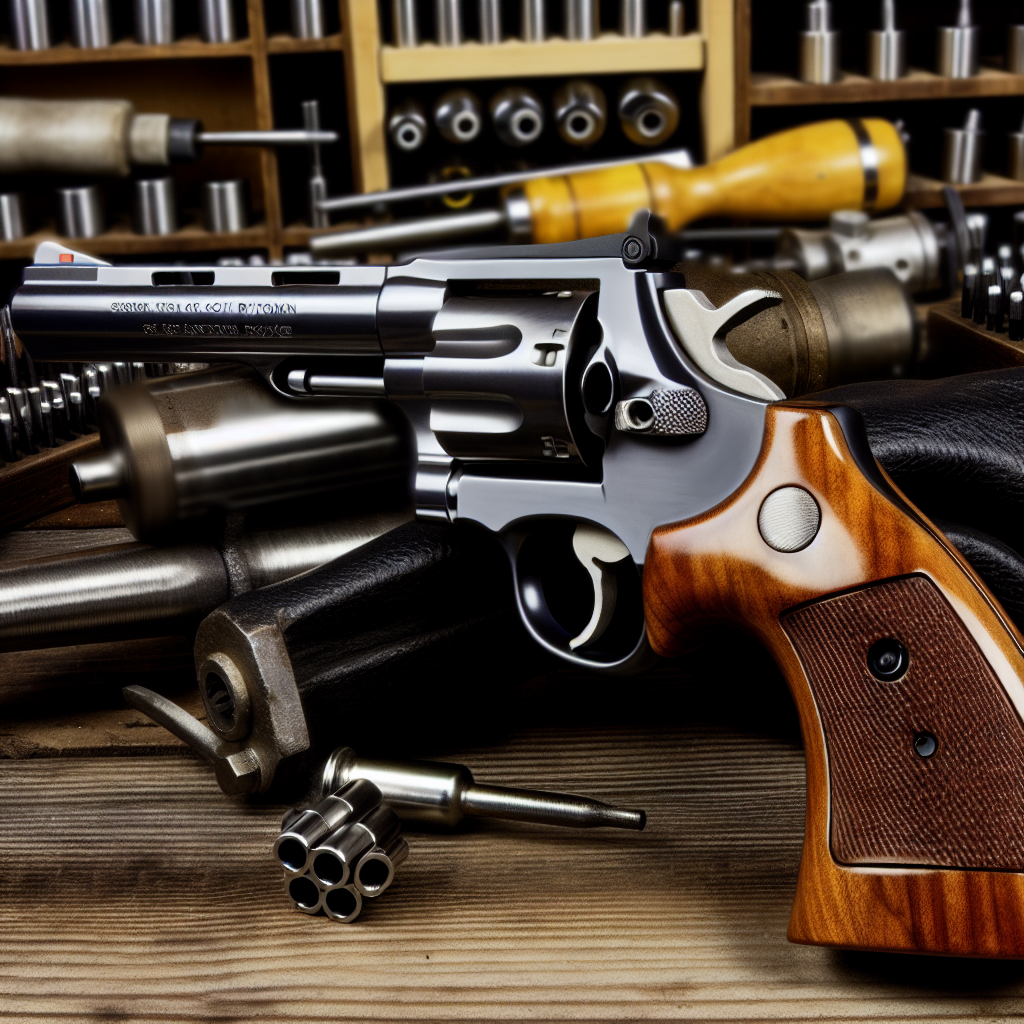
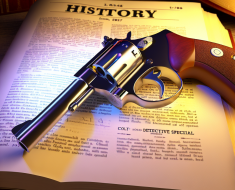
The Colt Python revolver stands as one of the most iconic firearms in American history, revered for its precision engineering, aesthetic beauty, and exceptional performance. Often dubbed the “Rolls-Royce of revolvers,” the Colt Python has captivated collectors, law enforcement professionals, and shooting enthusiasts alike since its introduction in the mid-20th century. This article delves into the fascinating story of the Colt Python revolver—its origins, design innovations, cultural impact, and enduring legacy.
Origins and Development: The Birth of a Legend
The Colt Python was introduced by Colt’s Manufacturing Company in 1955 during a period when revolvers dominated the handgun market in the United States. The post-World War II era saw increasing demand for high-quality sidearms among law enforcement agencies and civilian shooters who sought both reliability and accuracy.
Colt’s engineers aimed to create a revolver that combined advanced manufacturing techniques with superior craftsmanship. The result was a .357 Magnum revolver that boasted a robust yet elegant design. It was built on Colt’s large “I-frame” platform but incorporated numerous refinements to enhance performance.
- Design Goals: To produce a premium revolver capable of handling high-pressure .357 Magnum rounds while offering smooth trigger pull and exceptional accuracy.
- Initial Release: The first Colt Pythons were chambered in .357 Magnum with barrel lengths ranging from 2.5 inches to 6 inches, catering to both concealed carry and target shooting needs.
- Target Market: Law enforcement officers looking for reliable sidearms as well as sport shooters seeking precision handguns.
The name “Python” itself reflected the sleek yet powerful nature of the firearm, evoking imagery of a deadly snake capable of swift and precise strikes. This clever branding helped cement its place in firearm lore from day one.
Design Innovations and Features: What Set the Colt Python Apart?
The Colt Python distinguished itself through several innovative features that combined form with function. These design elements contributed to its reputation as an exceptionally refined and accurate revolver.
- Polished Stainless Steel Finish: Early models featured a highly polished blued steel finish that gave them an attractive mirror-like sheen, enhancing their visual appeal and corrosion resistance.
- Tight Cylinder Lockup: The Python’s cylinder lockup was incredibly tight, reducing play between cylinder and barrel—an essential factor contributing to consistent accuracy shot after shot.
- Smooth Trigger Action: The double-action trigger mechanism was finely tuned to provide a smooth pull without excessive weight or creep. Many users praised it for its crisp single-action trigger break as well.
- Ventilated Rib Barrel: A distinctive ventilated rib ran along the top of many barrel lengths, reducing glare while adding aesthetic distinction reminiscent of high-end shotguns.
- Adjustable Sights: Fully adjustable rear sights allowed shooters to fine-tune point-of-impact for precision target shooting or practical applications.
This combination made the Colt Python not just a tool but also a collector’s piece worthy of admiration—combining artistry with mechanical excellence.
Cultural Impact: The Colt Python in Popular Media and Law Enforcement
The Colt Python quickly became more than just another firearm; it became an icon embedded within popular culture, movies, television shows, and law enforcement history. Its sleek lines and powerful reputation made it a favorite among actors portraying tough detectives or military personnel.
- Cinematic Appearances: The Python appeared prominently in films such as “Dirty Harry” (1971), where Clint Eastwood’s character wielded various handguns symbolizing authority and precision. Though Eastwood primarily used a Smith & Wesson Model 29 in that film, later detective-themed movies often featured Pythons due to their distinctive look.
- Television Fame: TV shows during the 1970s through 1990s frequently showcased characters carrying Colt Pythons—helping popularize their image among viewers nationwide.
- Law Enforcement Use: Several police departments adopted or tested the Colt Python due to its stopping power and reliability; however, its higher cost compared to other service revolvers limited widespread adoption. Despite this, many specialized units prized it for undercover work or off-duty carry because of its balance between concealability and firepower.
The cultural cachet earned by the Colt Python only increased collector demand over time—a trend that continues today with vintage models commanding premium prices at auctions worldwide.
The Decline and Revival: From Discontinuation to Modern Rebirth
Despite its popularity, production of the original Colt Python ceased in 2005 after nearly five decades on the market. Several factors contributed to this decline:
- Evolving Market Preferences: Semi-automatic pistols gained dominance in law enforcement circles due to higher ammunition capacity and faster reload times.
- Cost Constraints: The intricate machining processes required to make Pythons contributed to higher retail prices compared to simpler revolvers or semi-autos.
-
Curtailment of Revolver Production at Colt: As Colt shifted focus toward semi-automatic handguns like the M1911, the Python was left behind in a rapidly changing market.
Today, the Colt Python remains a symbol of craftsmanship and a sought-after piece for collectors and enthusiasts alike.