The Role of Competitive Shooting in Law Enforcement Training
In the realm of law enforcement, proficiency with firearms is not just a skill—it’s a necessity that can determine life or death outcomes. Officers must be prepared to handle high-pressure situations with precision, calmness, and effectiveness. One increasingly recognized method to enhance these skills is through competitive shooting. This article explores the pivotal role competitive shooting plays in law enforcement training, examining its benefits, challenges, and real-world implications.
Understanding Competitive Shooting: More Than Just a Sport
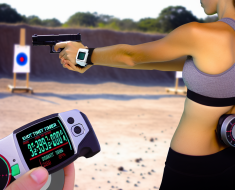
Competitive shooting involves participants engaging in timed shooting exercises designed to test accuracy, speed, and decision-making under pressure. While often viewed as a sport or hobby, competitive shooting shares many parallels with tactical firearm use required by law enforcement officers.
Unlike casual target practice, competitive shooting emphasizes:
- Rapid target acquisition: Quickly identifying and engaging multiple targets.
- Precision under stress: Maintaining accuracy despite time constraints and distractions.
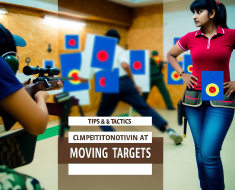
- Dynamic movement: Shooting while moving or changing positions.
- Equipment familiarity: Mastery of firearms and gear customization for optimal performance.
For law enforcement officers, these skills are directly transferable to real-life scenarios where split-second decisions and controlled firearm use are critical.
The Benefits of Competitive Shooting in Law Enforcement Training
The integration of competitive shooting into police training programs offers numerous advantages that contribute to the overall preparedness of officers. Some of the most notable benefits include:
1. Enhanced Firearm Proficiency
Competitive shooting demands consistent practice and refinement of marksmanship skills. Officers participating in competitions often report improvements in their ability to shoot accurately under pressure. According to a study by the National Institute of Justice (NIJ), officers who engage in regular tactical shooting drills demonstrate up to 30% higher hit rates during simulated engagements than those who do not participate in such training.
2. Stress Management and Mental Conditioning
Shooting competitions simulate stress through timed stages and unexpected challenges, helping officers acclimate to high-pressure environments. This mental conditioning aids officers when facing real-life confrontations where adrenaline spikes can impair judgment and motor control.
3. Encouragement of Continuous Learning and Improvement
The competitive aspect fosters a culture of continuous improvement among officers. Tracking scores, comparing results with peers, and striving for personal bests create motivation for ongoing skill development beyond mandatory training sessions.
4. Building Camaraderie and Teamwork
Law enforcement agencies benefit from team-based competitions which enhance communication skills and unit cohesion. Officers learn to support one another during competitions—a dynamic that translates into better coordination during field operations.
Case Studies: Real-World Applications of Competitive Shooting Skills
The practical impact of competitive shooting on law enforcement effectiveness can be illustrated through several notable examples:
The FBI’s Hostage Rescue Team (HRT)
The FBI HRT incorporates elements of competitive shooting into their rigorous firearms training regimen. Members regularly participate in timed drills that mimic competition stages to sharpen their abilities under simulated operational pressures. The FBI credits this approach with maintaining the team’s exceptional marksmanship standards during critical missions worldwide.
NYPD’s Tactical Training Initiatives
The New York Police Department has integrated practical shooting competitions into their annual firearms qualification process. Officers who excel at these events are often selected for specialized tactical units such as the Emergency Service Unit (ESU). Feedback from NYPD officers indicates that competition-based training improves confidence when responding to active shooter situations.
Australian Federal Police (AFP) Experience
The AFP introduced practical shooting competitions as part of their ongoing professional development program following research indicating improved response times and accuracy among officers trained with competitive methodologies. The AFP’s data showed a 25% reduction in misfires during field exercises after six months of incorporating competition-style drills.
Key Elements That Make Competitive Shooting Effective for Law Enforcement
<pWhile competitive shooting offers clear benefits for law enforcement training, certain key elements ensure its effectiveness when integrated into official programs:
- Tactical Relevance: Competitions must simulate realistic scenarios faced by law enforcement rather than purely sport-oriented challenges.
- Diverse Skill Sets: Training should encompass various firearm types (handguns, rifles, shotguns) used by officers on duty.
- Mental Resilience Training: Incorporating psychological preparation helps officers manage stress alongside physical skills.
- Qualified Instructors: Experienced trainers familiar with both competitive shooting techniques and law enforcement needs are crucial for effective knowledge transfer.
- Regular Practice Opportunities: Ongoing participation ensures skills remain sharp rather than deteriorating over time.
- Feedback Mechanisms: Using video analysis or electronic scoring systems enables precise evaluation and targeted improvement plans for individual officers.
Challenges and Considerations in Implementing Competitive Shooting Training
No training method is without limitations or obstacles. When adopting competitive shooting within law enforcement agencies, several challenges must be addressed:
- Resource Allocation: Competitive training requires investment in facilities, ammunition, qualified instructors, and time—resources that may compete with other departmental priorities.
-
Adequate planning and prioritization are essential to ensure that competitive shooting training is integrated effectively into existing programs.
Ultimately, the benefits of such training can enhance officer performance and public safety.