The Legal Process for Obtaining a Firearm Permit
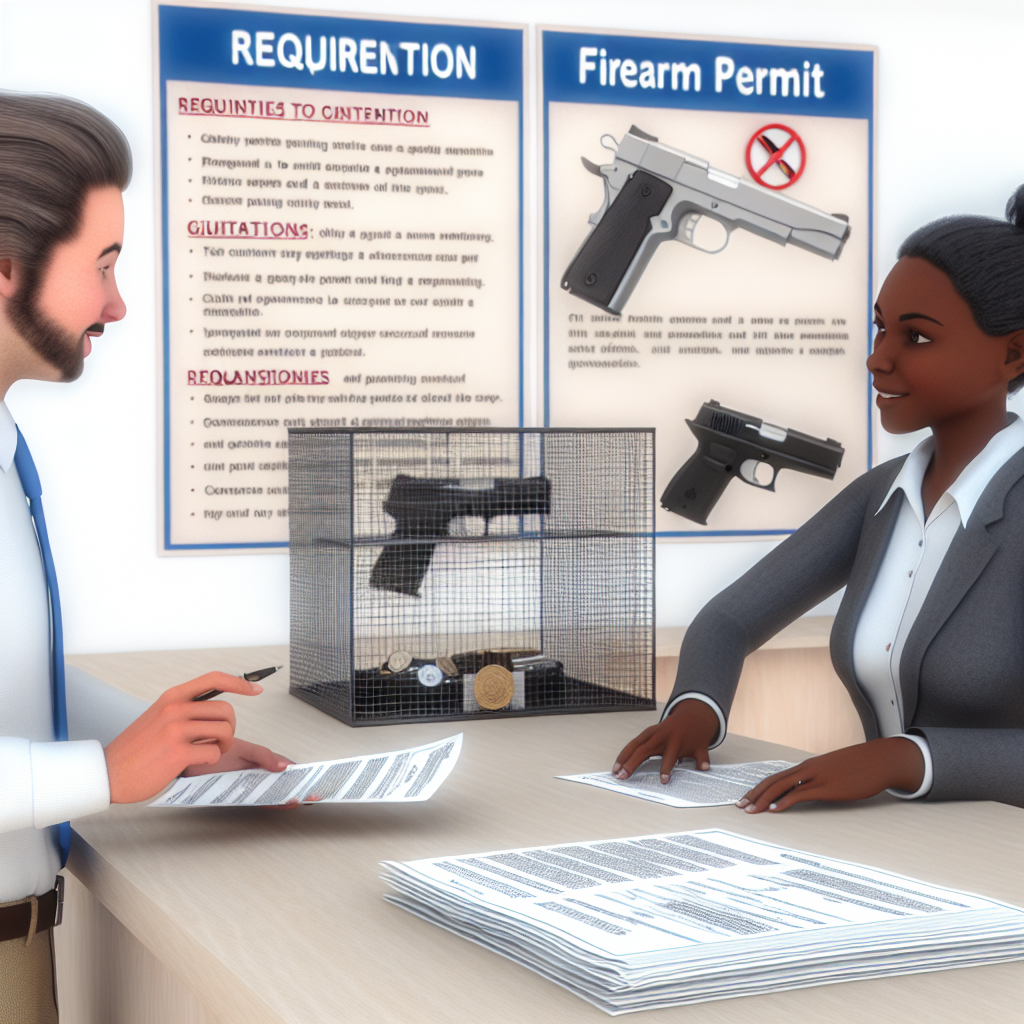
The right to own and carry firearms is a deeply debated topic worldwide, with many countries implementing varying degrees of regulation to balance individual rights with public safety. Central to responsible gun ownership is the legal process for obtaining a firearm permit, which ensures that only qualified individuals are granted access to firearms. This article explores the comprehensive legal framework surrounding firearm permits, highlighting the steps involved, requirements, challenges, and important considerations for prospective gun owners.
Understanding the Purpose of Firearm Permits
Firearm permits serve as official authorization allowing an individual to legally purchase, own, or carry a firearm. Governments implement these permits primarily to:
- Regulate access to firearms and prevent illegal possession.
- Ensure that only responsible and qualified individuals have guns.
- Enhance public safety by conducting background checks and imposing training requirements.
- Reduce gun-related crimes and accidental shootings.
According to the Small Arms Survey, countries with strict licensing regimes tend to report lower rates of firearm-related violence. For example, Japan’s rigorous firearm licensing process correlates with one of the lowest gun homicide rates in the world (0.02 per 100,000 people), demonstrating how regulation can impact societal safety.
Step-by-Step Legal Process for Obtaining a Firearm Permit
The specific legal process varies by jurisdiction but generally follows a structured path designed to evaluate an applicant’s suitability. Below is an outline of typical steps involved in obtaining a firearm permit:
- Application Submission: The applicant submits a formal application form at a designated authority such as the police department or licensing board.
- Background Checks: Comprehensive background checks are conducted to verify criminal records, mental health history, and any restraining orders or domestic violence allegations.
- Firearm Safety Training: Many jurisdictions require applicants to complete certified firearm safety courses covering proper handling, storage, and applicable laws.
- Interviews or Character References: Some areas mandate personal interviews or submission of character references to assess responsibility and intent behind owning a firearm.
- Waiting Periods: A mandatory waiting period may be imposed between application approval and firearm acquisition to allow cooling-off time and prevent impulsive purchases.
- Permit Issuance: Upon successful completion of all requirements, the permit is issued authorizing the holder to legally purchase or carry firearms under specified conditions.
This process is designed not only to ensure legal compliance but also promote responsible gun ownership practices through education and evaluation.
Key Requirements and Eligibility Criteria
The eligibility criteria for firearm permits aim at filtering out individuals who might pose risks if granted access to guns. Commonly enforced requirements include:
- Age Restrictions: Most jurisdictions set minimum age limits (usually 18 or 21 years) for applicants.
- No Criminal Record: Applicants must have no felony convictions or significant misdemeanor offenses related to violence or firearms.
- Mental Health Evaluation: Some states require proof of mental fitness through evaluations or declarations from medical professionals.
- No History of Domestic Violence: Restrictions are often placed on individuals with restraining orders or domestic abuse convictions.
- Residency Requirements: Applicants must typically reside within the jurisdiction issuing the permit for a specified period.
A study published by the Journal of Law and Economics found that states in the U.S. with stricter eligibility criteria for handgun permits experienced reductions in violent crime rates by up to 5%, underscoring the effectiveness of these measures in enhancing public safety.
The Role of Background Checks in Firearm Licensing
A crucial component of obtaining a firearm permit is undergoing rigorous background checks designed to uncover disqualifying information about an applicant. These checks often include reviewing:
- Criminal History Databases: To identify prior arrests or convictions that may prohibit gun ownership.
- Mental Health Records: Accessing databases related to involuntary commitments or mental illness diagnoses that raise concerns about safe firearm handling.
- NICS (National Instant Criminal Background Check System): In the U.S., this system provides real-time information on prohibited persons attempting firearm purchases.
The efficiency of background checks can be seen in statistics from the FBI’s National Instant Criminal Background Check System: over 3 million attempts by prohibited persons were blocked between 1998 and 2020. However, challenges remain as incomplete records sometimes allow disqualified individuals to obtain firearms illegally—highlighting areas for improvement in data sharing between agencies.
The Importance of Firearm Safety Training and Testing
An essential prerequisite in many licensing processes is completing formal safety training courses aimed at educating applicants about responsible gun ownership.
These courses typically cover topics such as the fundamentals of safe handling and storage techniques, an overview of applicable local and federal laws governing firearms, the use of firearms in self-defense scenarios within legal boundaries, and the risks associated with improper use or careless behavior around guns. A study conducted by Johns Hopkins Bloomberg has shown that proper training significantly reduces the likelihood of firearm accidents.
In conclusion, understanding the legal process and the importance of safety training is crucial for responsible firearm ownership.