How New Legislation Could Impact Your Right to Bear Arms
The right to bear arms has long been a contentious and deeply rooted issue in many countries, especially in the United States where the Second Amendment guarantees this right. However, evolving social dynamics, rising concerns over gun violence, and political shifts have led to new legislative efforts that could significantly impact how citizens exercise this right. This article explores the potential effects of new gun laws on your ability to own, carry, and use firearms legally.
Understanding the Current Legal Landscape of Gun Rights
The foundation of gun ownership rights in the U.S. is primarily based on the Second Amendment of the Constitution, which states: “A well regulated Militia, being necessary to the security of a free State, the right of the people to keep and bear Arms, shall not be infringed.” Despite this clear wording, interpretations have varied widely over time.
In recent decades, key Supreme Court rulings have shaped current legal standards:
- District of Columbia v. Heller (2008): The Court affirmed an individual’s right to possess firearms for self-defense within the home.
- McDonald v. City of Chicago (2010): Incorporated Second Amendment protections to apply at state and local levels.
Despite these rulings protecting individual rights, federal and state governments maintain significant authority to regulate firearms — including restrictions on types of weapons, background checks, waiting periods, and concealed carry licenses.
Key Elements of Proposed Gun Legislation
New legislative proposals often aim to balance public safety concerns with constitutional rights. Recent bills introduced at various government levels tend to focus on:
- Universal Background Checks: Expanding mandatory background checks for all firearm sales and transfers, including private transactions.
- Red Flag Laws: Allowing law enforcement or family members to petition courts for temporary removal of firearms from individuals deemed a risk to themselves or others.
- Bans on Assault Weapons: Restricting ownership or sale of semi-automatic rifles classified as “assault weapons.”
- Waiting Periods: Imposing mandatory delays between purchase and possession to reduce impulsive acts of violence or suicide.
- Age Restrictions: Raising minimum age requirements for purchasing certain types of firearms.
The impact of these measures varies depending on their scope and enforcement mechanisms but collectively could reshape how guns are accessed and used by ordinary citizens.
The Potential Impact on Gun Owners’ Rights and Responsibilities
If enacted, new legislation could alter several aspects of gun ownership:
- Increased Compliance Requirements: Universal background checks would require all firearm transactions — including private sales between individuals — to undergo official scrutiny. This could reduce “gun show loopholes” but may also impose additional paperwork and costs on sellers.
- Temporary Seizure Risks Under Red Flag Laws: While designed as a preventive tool against potential violence, these laws could lead to disputes about due process if firearms are removed without sufficient evidence or clear timelines for return.
- Narrowed Access to Certain Firearms: Bans on assault weapons would prevent new purchases of specified models but might grandfather in existing owners or require buybacks depending on state policies.
- Delays in Obtaining Firearms: Waiting periods may frustrate buyers who need immediate access for self-defense but are intended to prevent impulsive acts like suicides or crimes of passion.
- Youth Restrictions: Raising age limits affects younger adults who previously could legally purchase firearms but may reduce risks associated with early access.
The cumulative effect could mean more rigorous gatekeeping around firearm ownership but also greater public safety through reduced unauthorized access and better monitoring of potentially dangerous individuals.
Case Studies: How Recent Laws Have Changed Gun Ownership Dynamics
A few examples from states that recently enacted stricter gun laws provide insight into practical outcomes:
- California’s Universal Background Checks (2011): California requires background checks for all firearm sales. Studies show a significant reduction in gun-related homicides and suicides following implementation. However, critics argue some buyers still circumvent regulations through unregulated channels.
- Iowa’s Red Flag Law (2020): Iowa implemented Extreme Risk Protection Orders allowing temporary firearm removal. Early data suggests a decrease in firearm-related suicides among those subject to ERPOs but raised concerns about potential misuse against individuals without proper evidence-based hearings.
- NYS Assault Weapons Ban Expansion (2013): New York expanded its ban after the Sandy Hook tragedy. A decline in mass shooting incidents involving assault-style rifles has been reported; however, enforcement challenges remain regarding illegal trafficking from neighboring states with looser laws.
These case studies highlight both benefits and challenges associated with stronger gun regulations — underscoring the importance of balanced policies respecting rights while enhancing safety measures.
The Broader Societal Implications: Safety vs. Rights Debate
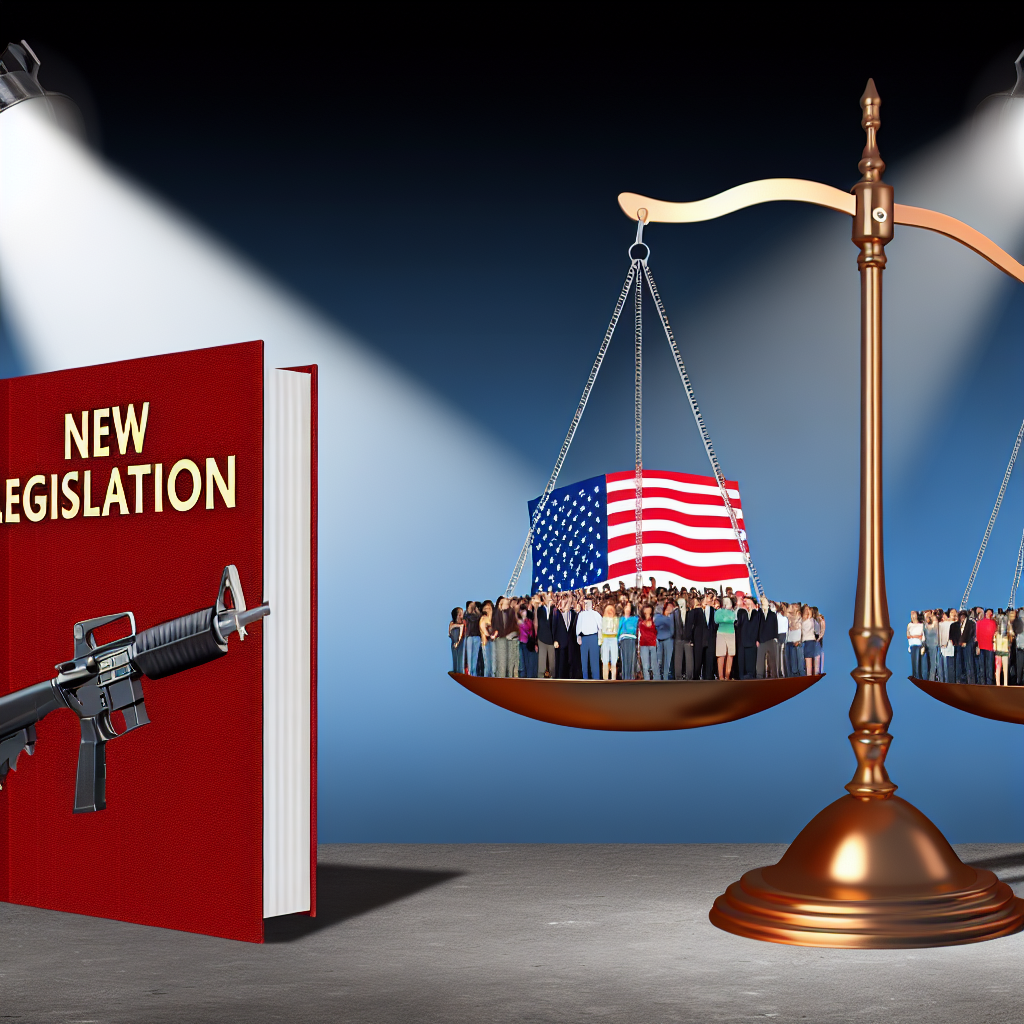
The debate over new gun legislation encapsulates broader societal tensions between individual freedoms and collective security. Advocates argue that reasonable restrictions can prevent tragedies without undermining constitutional rights.
Opponents worry about the potential infringement on personal liberties and the effectiveness of such measures in truly enhancing public safety.
Ultimately, finding a balance between rights and safety remains a critical challenge for lawmakers and society as a whole.