The Importance of Physical Fitness in Self-Defense
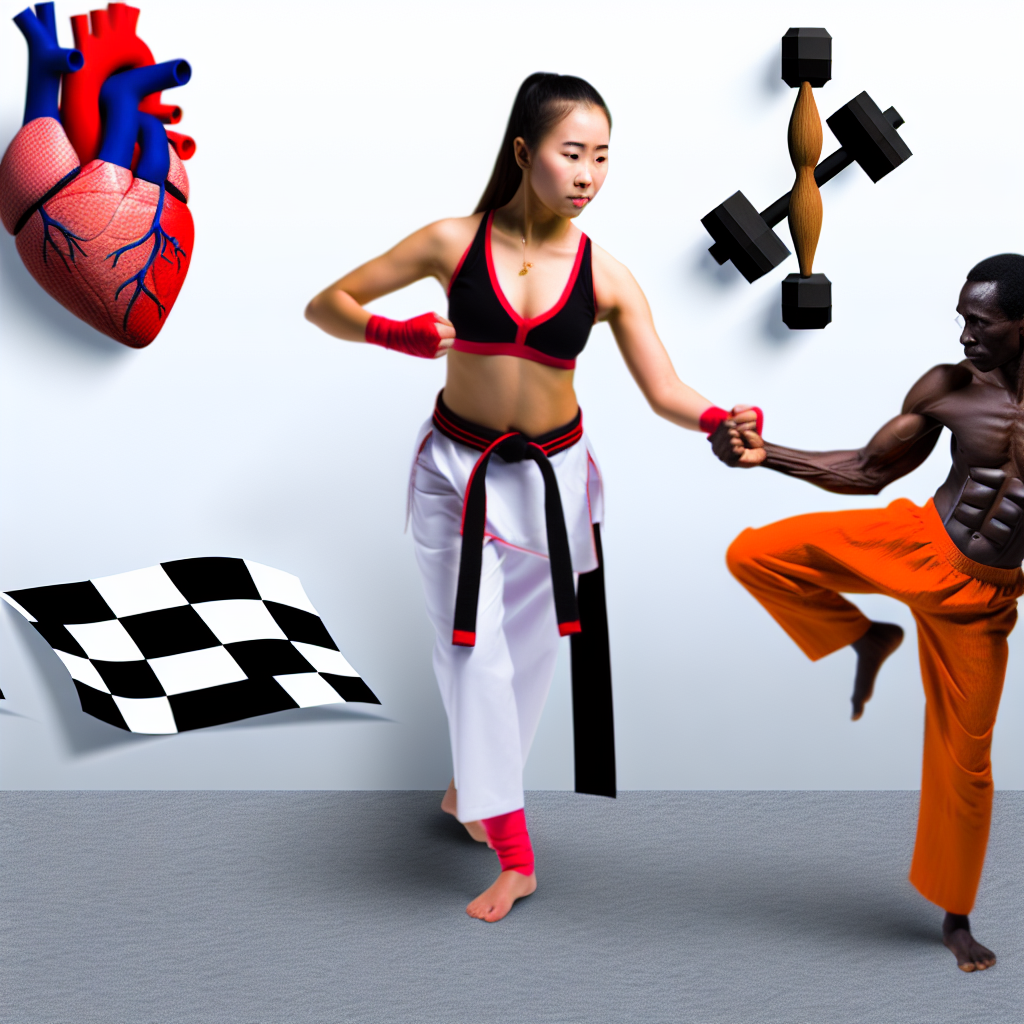
In today’s unpredictable world, self-defense has become an essential skill for people from all walks of life. While many focus on learning techniques and strategies to fend off attackers, one fundamental aspect often overlooked is physical fitness. The ability to effectively defend oneself is not solely dependent on knowledge of martial arts or self-defense tactics but also significantly influenced by physical conditioning. This article delves into why physical fitness is crucial for self-defense, exploring its benefits, real-world applications, and how it can be developed to maximize personal safety.
Understanding the Connection Between Physical Fitness and Self-Defense
Self-defense involves protecting oneself from harm through a combination of mental alertness, tactical awareness, and physical capability. While mental preparation and awareness are vital components, the physical demands of defending oneself can be intense. Physical fitness directly enhances the body’s ability to respond quickly and effectively in dangerous situations.
Research indicates that individuals with higher levels of strength, endurance, flexibility, and coordination tend to perform better in self-defense scenarios. For example, a study published in the Journal of Strength and Conditioning Research found that muscular strength correlates strongly with the ability to deliver powerful strikes and resist being overpowered.
- Strength: Enables powerful strikes, grappling control, and the ability to break free from holds.
- Endurance: Helps sustain energy during prolonged confrontations or escapes.
- Flexibility: Reduces injury risk and allows for a wider range of motion during defensive maneuvers.
- Coordination: Enhances timing and precision when executing techniques.
Without adequate physical fitness, even the most skilled martial artist might struggle to apply their knowledge under stress or fatigue. Thus, fitness forms the foundation upon which effective self-defense is built.
The Role of Cardiovascular Endurance in Self-Defense
Cardiovascular endurance refers to the efficiency with which your heart, lungs, and muscles work together during sustained physical activity. In a self-defense situation, endurance is critical because confrontations are often unpredictable in duration and intensity.
A person with good cardiovascular fitness can maintain high levels of exertion without succumbing quickly to fatigue. This stamina allows for several advantages:
- Sustained effort: Being able to run away or fight off an attacker without tiring rapidly increases chances of survival.
- Improved recovery: Faster recovery between bursts of activity means better performance during repeated efforts like striking or escaping holds.
- Mental clarity: Fatigue negatively affects cognitive function; good endurance helps maintain focus under pressure.
A case study involving law enforcement officers showed that those with higher cardiovascular capacity had improved arrest rates and reduced injury incidents during physical altercations. This underscores how endurance training can translate into practical benefits beyond general health.
Strength Training: Building Power for Defense
Muscular strength plays an indispensable role in self-defense. Whether it’s delivering effective strikes, lifting or pushing an attacker off you, or breaking free from restraints, strength is a key enabler.
An illustrative example comes from a study conducted on mixed martial arts (MMA) fighters which found that fighters with greater upper body strength had a distinct advantage in grappling exchanges and controlling opponents on the ground. Similarly, lower body strength aids in maintaining balance and executing powerful kicks.
- Punching power: Stronger muscles contribute directly to more forceful punches and blocks.
- Grappling control: Strength helps hold or escape grips effectively.
- Balance maintenance: Leg strength prevents being easily knocked down or pushed over.
Strength training does not necessarily mean becoming bulky; functional strength tailored for self-defense emphasizes explosive power and muscular endurance rather than just size. Exercises like push-ups, pull-ups, squats, deadlifts, and kettlebell swings are excellent for developing relevant strength attributes.
The Importance of Flexibility and Mobility
An often underestimated aspect of physical fitness for self-defense is flexibility — the ability to move joints through their full range of motion without pain or restriction. Flexibility complements strength by allowing smoother execution of techniques such as kicks, escapes from holds, or evasive maneuvers.
Lack of flexibility can lead to injuries like muscle strains or joint sprains during sudden movements common in confrontations. More importantly, flexible practitioners have been shown to react faster because their bodies are less constrained by stiffness.
- Kicking range: Greater hip flexibility enables higher and more effective kicks against attackers.
- Evasive movement: Flexibility aids quick dodges or rolls that avoid strikes.
- Injury prevention: Reduced risk of tears or sprains during intense physical activity improves long-term sustainability in training and real situations.
A notable example comes from practitioners of Brazilian Jiu-Jitsu (BJJ), who prioritize flexibility as part of their regimen due to the sport’s heavy reliance on joint locks and submissions requiring precise positioning.
Mental Resilience Through Physical Conditioning
Mental toughness often distinguishes successful defenders from victims in threatening encounters.
Interestingly, physical fitness contributes significantly to overall self-defense capabilities. A well-conditioned body enhances not only physical performance but also mental resilience, equipping individuals to handle confrontations more effectively.