Best Practices for Cleaning Vintage Firearms
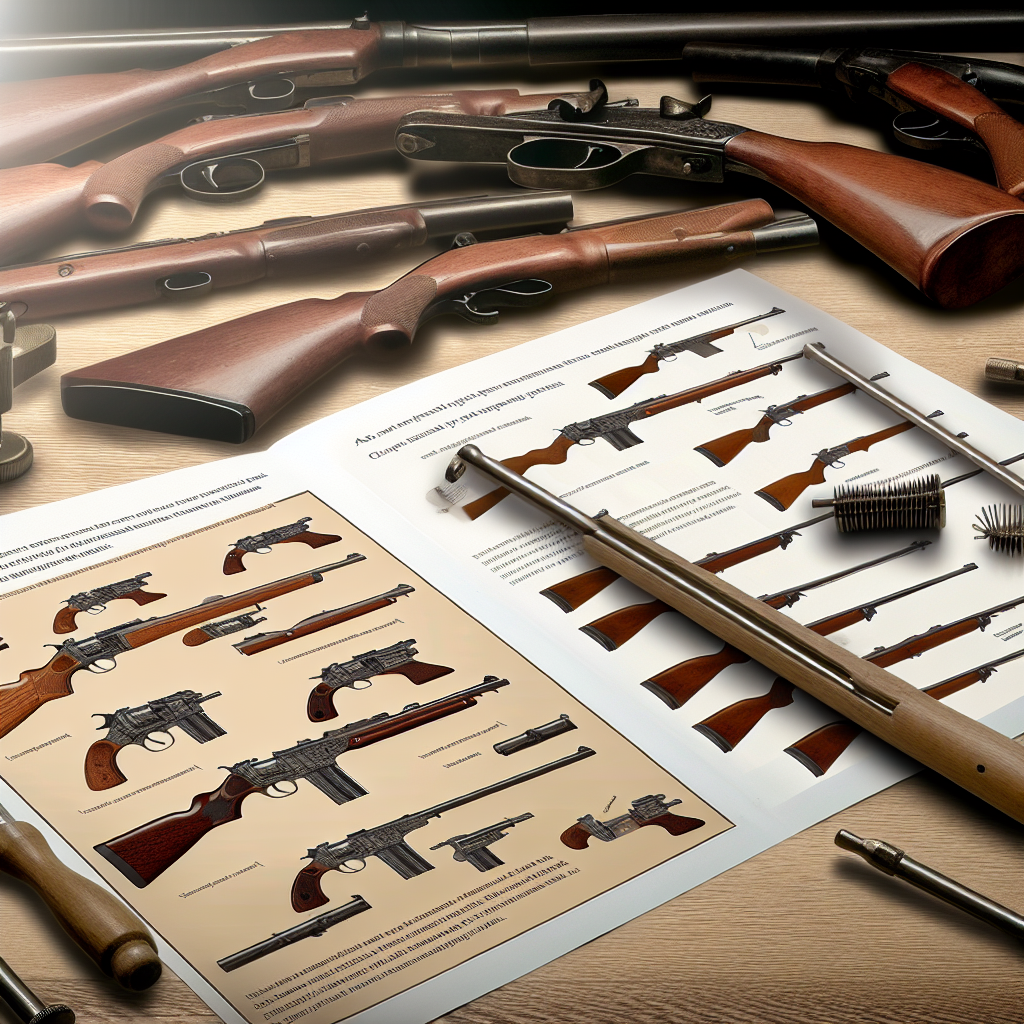
Vintage firearms are more than just weapons; they are cherished artifacts that represent history, craftsmanship, and sometimes family heritage. Whether you own a Civil War-era rifle, a World War II pistol, or a classic Colt revolver from the early 1900s, maintaining these firearms properly is crucial to preserving their functionality and value. Cleaning vintage firearms requires special attention compared to modern guns due to their delicate materials, aged mechanisms, and historical significance.
This comprehensive guide explores best practices for cleaning vintage firearms, highlighting the methods, tools, and precautions necessary to ensure these treasured pieces remain in excellent condition for generations to come.
Understanding the Unique Challenges of Vintage Firearms
Before delving into cleaning techniques, it’s essential to understand what makes vintage firearms distinct from contemporary models. These differences directly impact how you approach maintenance and cleaning:
- Materials and Finish: Many vintage firearms use materials like blued steel, case-hardened surfaces, walnut stocks, and early alloys that are sensitive to harsh chemicals and abrasive tools.
- Aged Mechanisms: Springs, pins, and screws in older guns may be more brittle or corroded due to decades of exposure to moisture or improper storage.
- Historical Value: Over-cleaning or using inappropriate solvents can strip patina or damage markings that contribute to a firearm’s collectible value.
- Lack of Modern Protective Coatings: Unlike modern firearms with advanced corrosion-resistant coatings, vintage guns rely heavily on proper lubrication and gentle care.
A study by the National Rifle Association’s Museum revealed that improper cleaning techniques have caused irreversible damage to over 20% of historically significant firearms in private collections over the past decade. This statistic underscores the importance of using tailored methods when handling vintage pieces.
Essential Tools and Materials for Cleaning Vintage Firearms
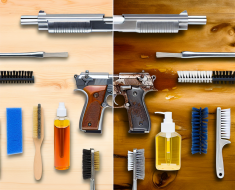
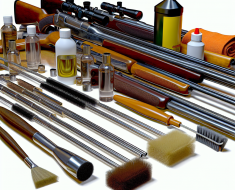
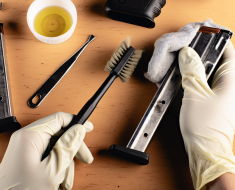
The right tools make all the difference when caring for vintage guns. Using harsh abrasives or strong solvents can degrade finishes or harm wood stocks. Below is a curated list of recommended items:
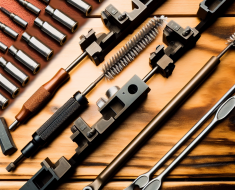
- Cleaning Rods: Use non-marring rods made of coated brass or nylon rather than steel rods which can scratch delicate bores.
- Bore Brushes: Soft-bristled brushes designed specifically for antique calibers help remove fouling without damaging rifling.
- Cotton Patches: High-quality lint-free patches are essential for wiping bores clean without leaving fibers behind.
- Mild Solvents: Use solvent blends designed for older firearms or natural oils like CLP (Clean-Lubricate-Protect) with minimal chemical additives.
- Gun Oil and Lubricants: Opt for light oils such as Rem Oil or Ballistol which provide protection without gumming up aging parts.
- Wood Stock Cleaners: Specialized wood conditioners such as Murphy’s Oil Soap help preserve walnut or maple stocks without stripping finish.
- Nylon Brushes & Toothbrushes: For gently cleaning tight spaces without scratching metal surfaces.
A notable example comes from a case study involving a late-19th-century Winchester Model 1873 rifle. The owner successfully restored its bore condition by switching from steel brushes to soft brass ones combined with Ballistol oil—resulting in a fully functional firearm while preserving its original finish.
Step-by-Step Guide: How to Clean Your Vintage Firearm Safely
The cleaning process involves several careful stages designed to minimize risk while maximizing preservation. Follow these detailed steps for optimal results:
1. Ensure Safety First
-
Verify that the firearm is unloaded before handling.
-
Remove ammunition from the cleaning area entirely.
2. Disassemble Carefully
-
If you’re unfamiliar with your firearm’s mechanics, consult manuals or seek professional assistance—vintage guns often have fragile parts prone to breakage during disassembly.
-
Avoid forcing components; use appropriate screwdrivers or punches designed for antique screws to prevent stripping heads.
3. Clean the Bore Gently
-
Dip a brass bore brush in solvent and run it through the barrel slowly several times—never apply excessive force.
-
Follow with dry cotton patches until no residue remains on patches after wiping.
4. Clean Metal Surfaces Using Mild Solvents
-
Dab solvent onto nylon brushes or soft cloths; gently scrub areas with dirt or rust spots.
-
Avoid steel wool or abrasive pads unless absolutely necessary—and only under expert guidance—as they can remove bluing and patina irreversibly.
5. Lubricate Moving Parts Lightly
-
Add small amounts of light gun oil on hinges, triggers, and springs ensuring smooth operation without excessive buildup that attracts dirt later on.
6. Clean & Condition Wood Stocks</
Clean and condition wood stocks using a soft cloth and a suitable wood preservative to restore luster and protect against moisture.
By following these best practices, you can ensure the longevity and functionality of your vintage firearms while preserving their historical value.