The Basics of USPSA and IPSC Shooting Competitions
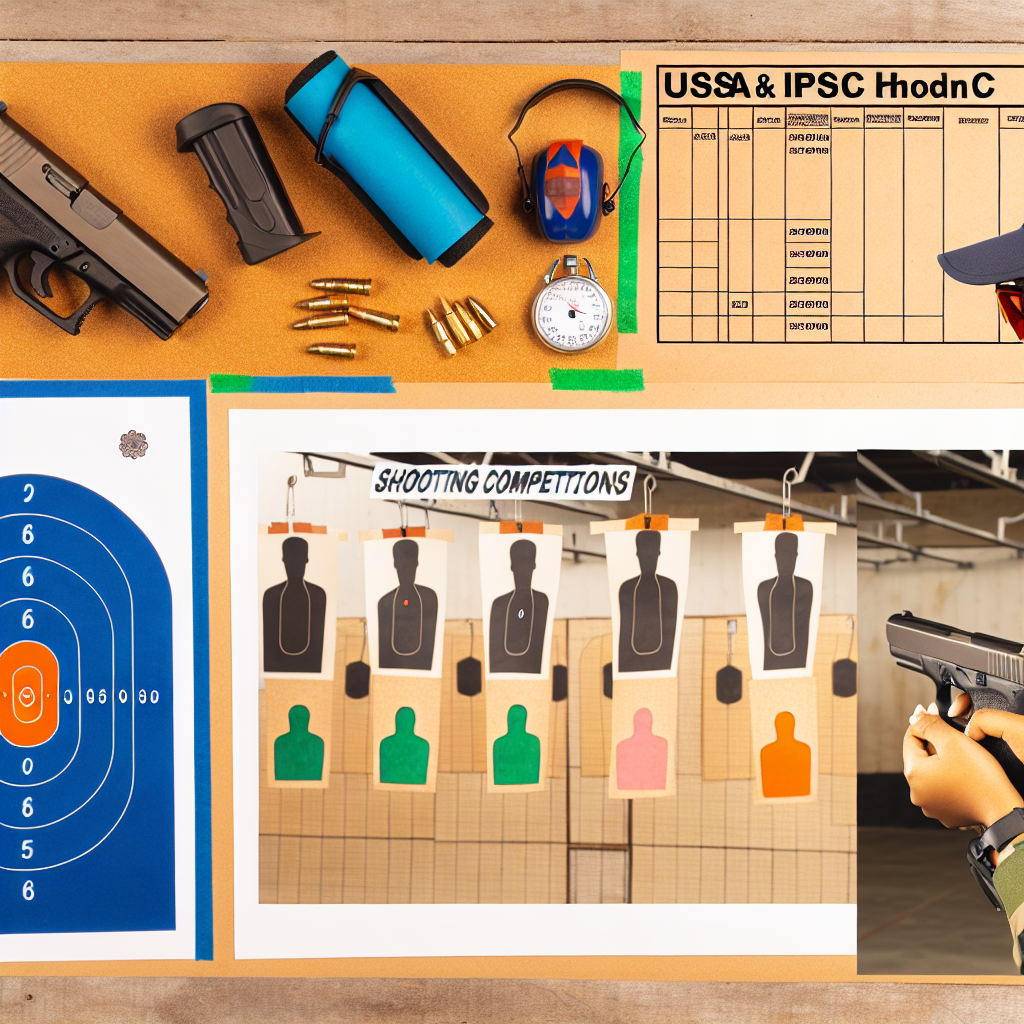
Shooting sports have evolved significantly over the past century, with various disciplines attracting enthusiasts worldwide. Among the most popular and dynamic are USPSA (United States Practical Shooting Association) and IPSC (International Practical Shooting Confederation) competitions. These shooting sports emphasize speed, accuracy, and power, challenging competitors to navigate complex courses while engaging multiple targets under time pressure. This article explores the fundamentals of USPSA and IPSC, their similarities and differences, competition formats, scoring systems, and what makes these sports captivating for shooters globally.
Understanding USPSA and IPSC: Origins and Organizational Structure
The origins of practical shooting date back to the 1950s when shooting enthusiasts sought a competitive format that mimicked real-world scenarios requiring quick decision-making, movement, and marksmanship. This led to the establishment of IPSC in 1976 by Jeff Cooper, a key figure in modern firearms training.
IPSC is recognized as the global governing body for practical shooting. It operates internationally with regional affiliates in over 100 countries. The sport emphasizes three core principles often called the “DVC” triad:
- D – Accuracy (precision of shots)
- V – Power (caliber and stopping power of ammunition)
- C – Speed (time taken to complete stages)
The United States Practical Shooting Association (USPSA) is the official regional body representing IPSC in the United States but has evolved its own unique rule set tailored to American competitors. Founded in 1984, USPSA is currently the largest practical shooting organization in the US, boasting over 35,000 active members as of recent statistics.
While USPSA follows many IPSC principles, it has distinct classifications and divisions catering specifically to American shooters’ preferences and equipment trends.
Core Elements of USPSA/IPSC Competitions: How They Work
Both USPSA and IPSC competitions are designed around courses called “stages” that test a shooter’s ability to engage targets efficiently while moving through a course of fire. Stages vary widely in layout complexity but share fundamental components:
- Multiple Targets: Paper or steel targets placed at varying distances and angles.
- Movement: Shooters move between shooting positions or “shooting boxes.”
- Reloading: Competitors must reload magazines tactically during stages.
- Shooters may engage targets from behind cover or barriers.
A typical match consists of several stages—usually between 6 to 12—each lasting about one to two minutes. Competitors receive a stage briefing explaining target engagement order, minimum rounds required, penalties for misses or procedural errors, and safety instructions.
The dynamic nature of these stages ensures no two matches are alike; competitors must adapt quickly to different scenarios while maintaining composure under pressure.
Diverse Divisions: Catering to Different Firearms & Skill Levels
A significant aspect that makes USPSA/IPSC accessible yet challenging is its division system. Divisions group competitors based on firearm type, modifications allowed, and caliber restrictions to ensure fair competition among similar equipment classes.
Common Divisions in USPSA
- Open Division: The most permissive category allowing optical sights (red dots), compensators, high-capacity magazines, and other modifications. This division attracts top-level competitors seeking maximum performance enhancements.
- Limited Division: No optical sights or compensators allowed; however, high-capacity magazines are permitted. Firearms must have iron sights only.
- Production Division: Focuses on factory-stock pistols with minimal modifications allowed. Magazines are limited in capacity (usually ten rounds), emphasizing skill over equipment advantages.
- Single Stack Division: Revolves around classic single-stack pistols like the iconic Colt 1911 platform with ten-round magazines or fewer allowed.
- Revolver Division: For traditional revolvers with specific restrictions on caliber size and capacity.
Diversity in IPSC Divisions
The IPSC division structure mirrors USPSA’s but includes additional international variations such as Classic Division (similar to Single Stack) and Production Optics (allowing optical sights on production guns). The differences reflect regional preferences for firearms technology and competitive styles globally.
The Scoring System: Balancing Speed, Accuracy & Power
The scoring methodology used by both organizations is one reason these competitions remain engaging for participants and spectators alike. The scoring system combines accuracy with time-based performance using a formula known as Comstock scoring:
- Total Points Earned = Hit Factor × Time Taken
The hit factor itself is calculated as:
- Hit Factor = Points Scored ÷ Time Taken (seconds)
Shooters earn points by hitting various scoring zones on paper targets or steel plates; hits closer to center rings score higher points than peripheral hits. Penalties are subtracted for misses or procedural errors such as shooting out of sequence or failing to engage mandatory targets.
This scoring system encourages shooters to develop both their speed and accuracy, making every second and shot count. Overall, USPSA and IPSC competitions offer a dynamic and challenging environment for shooting enthusiasts.