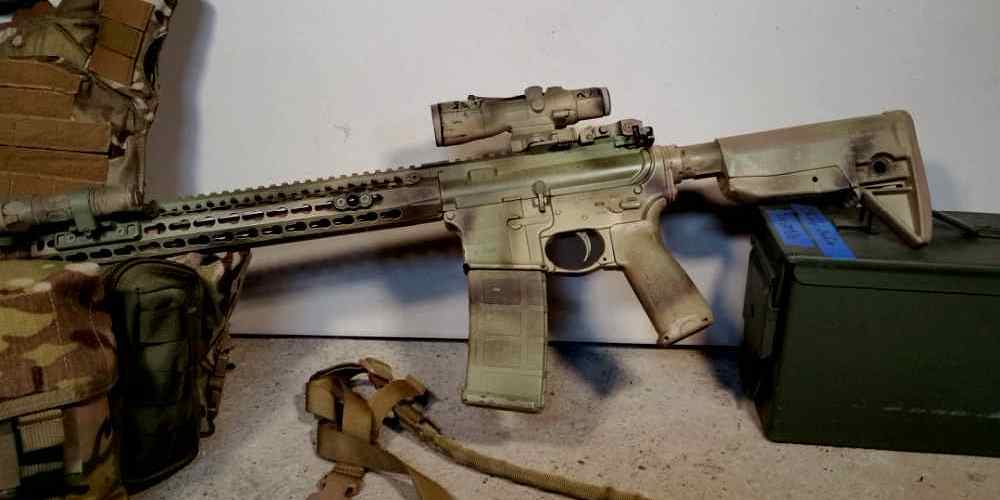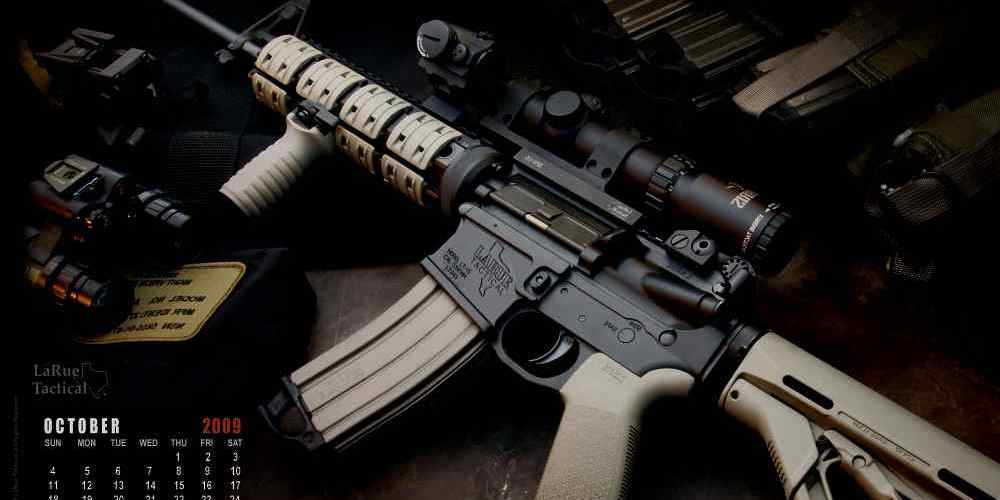
The AR-15 platform has earned its place as one of the most adaptable rifle systems in modern shooting, but not every factory setup feels equally natural in every hand. For shooters with smaller hands, the pistol grip can be the difference between a rifle that feels awkward and one that feels controlled, balanced, and intuitive. A well-chosen grip does more than improve comfort—it supports safer handling, steadier trigger discipline, and more confident shooting in the field, on the range, or during home defense training. ===
Why Smaller Hands Need Better AR-15 Grip Control
The standard AR-15 pistol grip was designed around a general use case, but hand size, finger length, and wrist angle vary widely from one shooter to another. For smaller hands, a grip that is too thick, too steep, or too slick can force the firing hand into an unnatural position. That often affects how easily the trigger can be reached, how securely the rifle is held, and how much tension builds in the wrist during extended shooting sessions. In practical terms, an ill-fitting grip can make even a lightweight rifle feel less manageable than it should.

Control matters because the pistol grip is one of the shooter’s primary contact points with the rifle. It helps stabilize the firing hand, supports consistent trigger placement, and contributes to safe manipulation when the rifle is being loaded, cleared, or carried. Shooters with smaller hands often benefit from grips that reduce circumference, offer a more vertical angle, and include texturing that prevents slipping without feeling abrasive. These features can make it easier to maintain a firm but relaxed hold, which is important for precision and repeatable handling.
There is also a historical reason grip ergonomics have evolved. Early AR-style rifles were often criticized for their fixed geometry, but decades of aftermarket innovation have shown that a one-size-fits-all approach is not ideal. Today, reputable manufacturers offer grips with reduced reach, interchangeable backstraps, or contouring that better accommodates smaller hands. For responsible firearm owners, choosing a grip that fits well is not about convenience alone—it is about improving control while reinforcing safe, deliberate use of the rifle.
Choosing a Grip That Improves Comfort and Handling
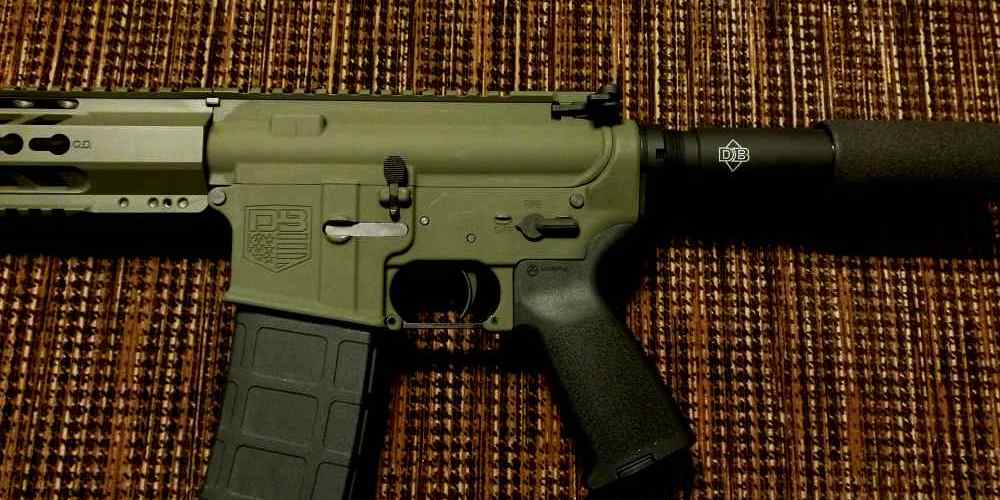
When selecting an AR-15 pistol grip for smaller hands, start by considering size and angle. A grip with a slimmer front-to-back profile can help the shooter reach the trigger without overextending the finger, which encourages better trigger control and reduces fatigue. Many smaller-handed shooters also prefer a grip with a more vertical angle, especially on modern AR configurations, because it can align the wrist more naturally and reduce strain during standing or supported shooting positions. Comfort should never come at the expense of secure control, so test different shapes whenever possible.
Material and texture are equally important. A grip should provide enough traction to stay stable in the hand, but not so much that it creates pressure points during longer sessions. Rubberized surfaces, high-quality polymer, and intelligently placed stippling or texturing can all improve feel, though the best choice depends on the shooter’s preferences and environment. Hunters may favor a grip that stays comfortable in cold weather and wet conditions, while home-defense users may prioritize quick hand placement and consistent indexing under stress. In every case, the grip should support a natural, repeatable hold.
It is also worth looking at practical features that improve real-world use. Some grips include storage cores for batteries or small maintenance items, while others focus purely on ergonomics and omit extra bulk. For smaller hands, simpler often means better, especially if added compartments increase thickness unnecessarily. Before purchasing, check legal compatibility with your rifle setup and local regulations, then install and test the grip safely at the range. A properly fitted AR-15 pistol grip can transform handling, but it should always be paired with responsible training, proper safety habits, and familiarity with your firearm’s manual of arms.
For shooters with smaller hands, the right AR-15 pistol grip is more than an accessory—it is a control enhancement that can improve comfort, confidence, and safe handling across many shooting applications. By choosing a grip that fits the hand, supports a natural wrist angle, and provides dependable texture, owners can make their rifles more usable without compromising reliability. The best setup is the one that encourages disciplined, safe, and consistent firearm handling every time the rifle is picked up. ===