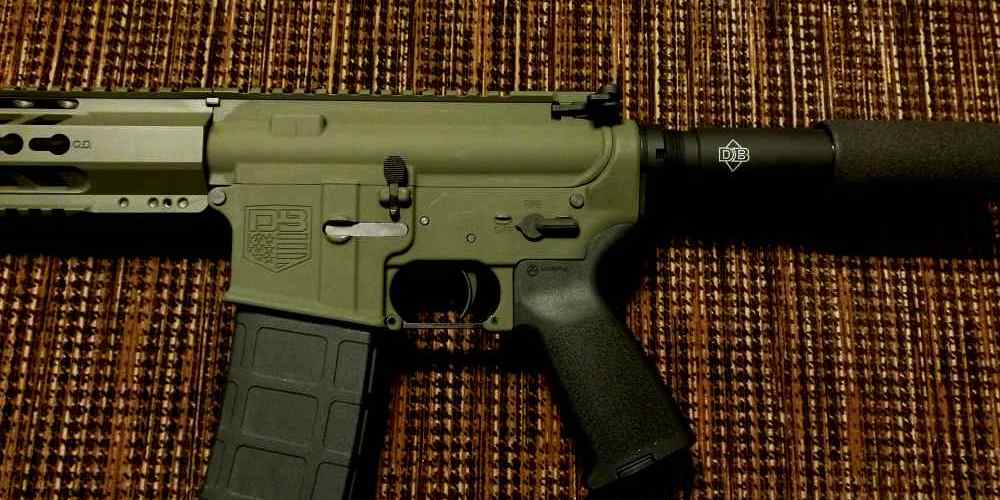
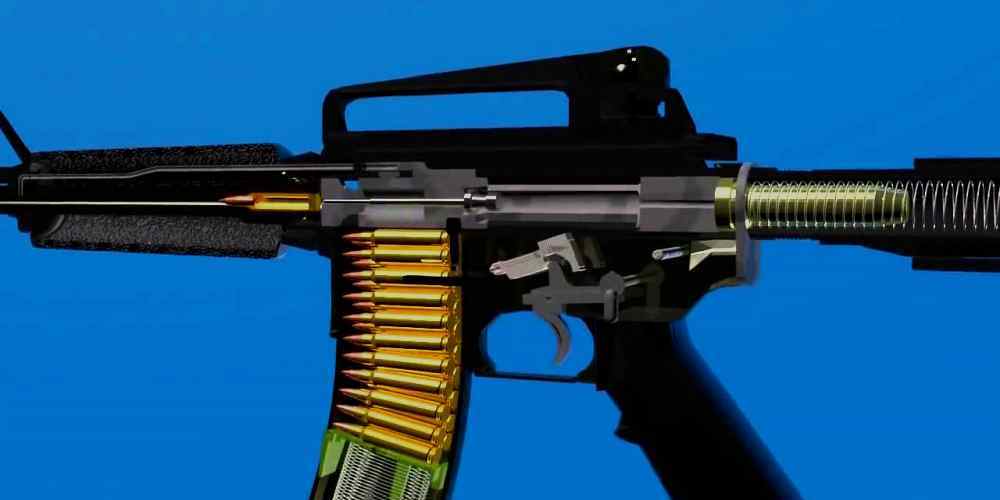
The AR-15 platform has earned its reputation because it is modular, adaptable, and surprisingly forgiving in many builds. But “forgiving” does not mean “anything goes.” One of the most common mistakes builders make is assuming all lower receivers are effectively the same, when in reality a small dimensional spec can influence how parts fit, how the rifle feels, and how reliably it performs over time. That detail is often overlooked because it is easy to miss on paper and even easier to ignore during a first or second build.
At armsparts.com, we believe responsible firearm ownership starts with understanding the details before they become problems. A proper build is not just about choosing quality parts; it is about making sure those parts work together as intended, with attention to safety, legality, and function. If you are assembling an AR-15 for sport, hunting, or defensive use, knowing the spec that most builders get wrong can save you frustration, money, and unnecessary rework.

The Lower Receiver Spec Builders Overlook Most
The lower receiver spec most builders get wrong is the pivot and takedown pin hole location and diameter relationship, often discussed more broadly as receiver dimensional consistency. In practice, this means the holes and surrounding features that connect the upper and lower receivers must be machined correctly for proper alignment. When these dimensions are off, even slightly, the rifle can show annoying play between the upper and lower, a stiff takedown pin, or a mismatch that affects how smoothly the rifle cycles and locks up. It is a small area of the receiver, but it is the backbone of the entire rifle’s fit.
Historically, the AR-15 evolved through military and commercial production lines, and that heritage created a platform with broad compatibility but not absolute uniformity. Most modern parts are built to common standards, but small differences still exist between manufacturers, and lower receivers can vary in machining quality, hole placement, anodizing thickness, and tolerance stacking. Builders often focus on features like flared magwells, trigger guard design, or markings, while overlooking the actual geometry that determines whether the upper and lower sit together properly.
The practical advice is simple: do not assume a lower is correct just because it is marketed as “mil-spec” or because it is from a known brand. Inspect the receiver carefully, confirm that pins fit without forcing, and test-fit the upper before finishing a build. If something feels unusually tight or loose, stop and evaluate rather than “working it in” with excess force. A proper fit should require normal hand pressure, not abuse, and any issue with alignment should be addressed before live-fire use.
Why This Small Detail Changes Fit and Function
When the receiver geometry is right, the rifle feels solid, the controls work smoothly, and the upper and lower mate with confidence. When it is wrong, even a minor dimensional error can create a cascade of small problems: inconsistent lockup, shifting point of impact, extra wear on pins and lugs, and a general sense that the rifle is not as refined as it should be. None of these issues always make the gun unsafe by themselves, but they can reduce reliability and make troubleshooting much harder later on.
This detail matters even more in defensive or field-use rifles, where dependability is non-negotiable. Hunters and self-defense practitioners alike need a rifle that runs consistently under stress, with no surprises from a sloppy fit or a pin that binds at the wrong moment. A lower that is dimensionally correct helps preserve the intended relationship between the fire control group, buffer system, and upper receiver. That consistency supports better performance, easier maintenance, and more predictable operation across a wide range of conditions.
The best way to avoid problems is to build deliberately. Choose reputable parts, verify compatibility, and follow manufacturer specifications for assembly and torque where applicable. If you are unsure about a lower’s machining quality or whether a component is out of spec, consult a qualified gunsmith or the manufacturer rather than forcing a solution. Responsible ownership means taking the time to get the details right, because the small things are often what separate a frustrating build from a reliable rifle you can trust.
The AR-15 is popular because it rewards careful builders, but it also exposes careless assumptions quickly. The lower receiver spec many people overlook is not glamorous, yet it has an outsized effect on fit, function, and long-term reliability. Understanding that detail helps you make better purchasing decisions, spot problems early, and assemble a rifle that performs the way it should.
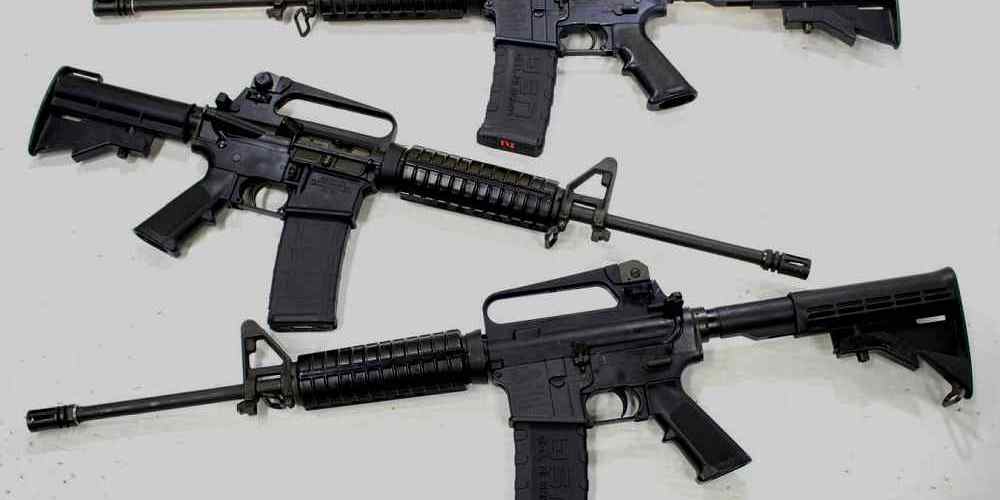
If you build with patience, inspect your components, and prioritize safety and legality at every step, you will get more from the platform and avoid many of the common headaches that frustrate new owners. For enthusiasts, that means more time shooting and less time troubleshooting. For responsible gun owners, it means a rifle that reflects both craftsmanship and good judgment.