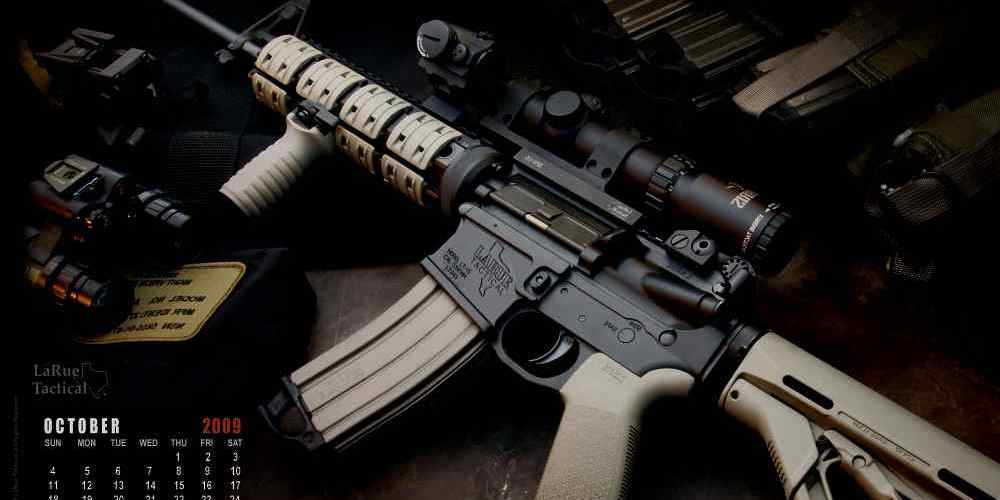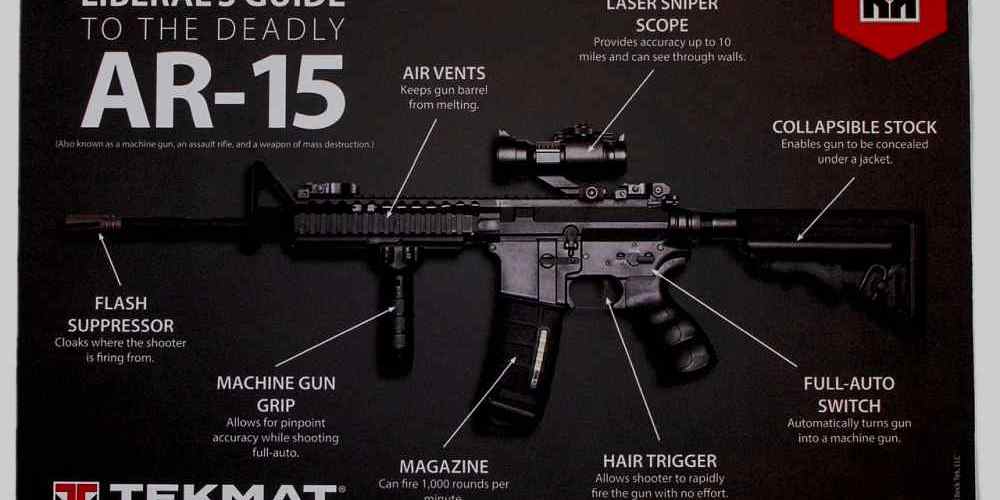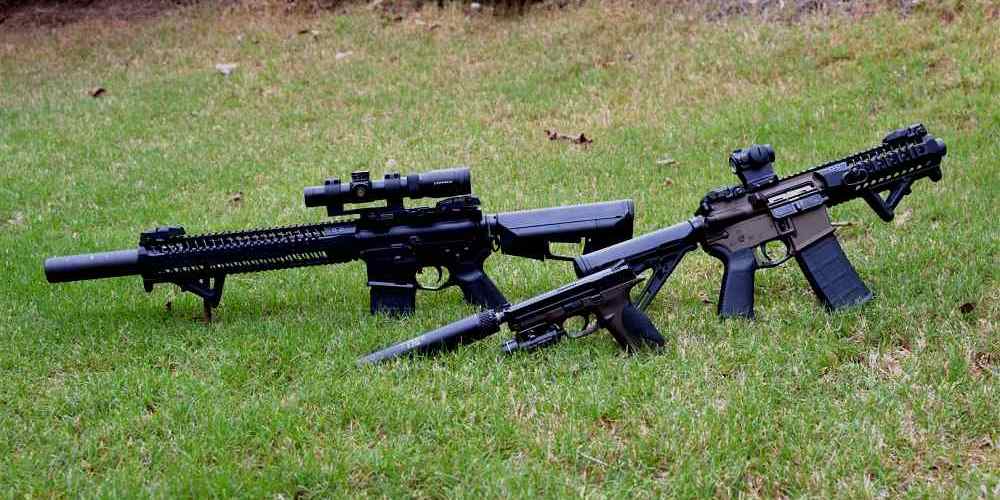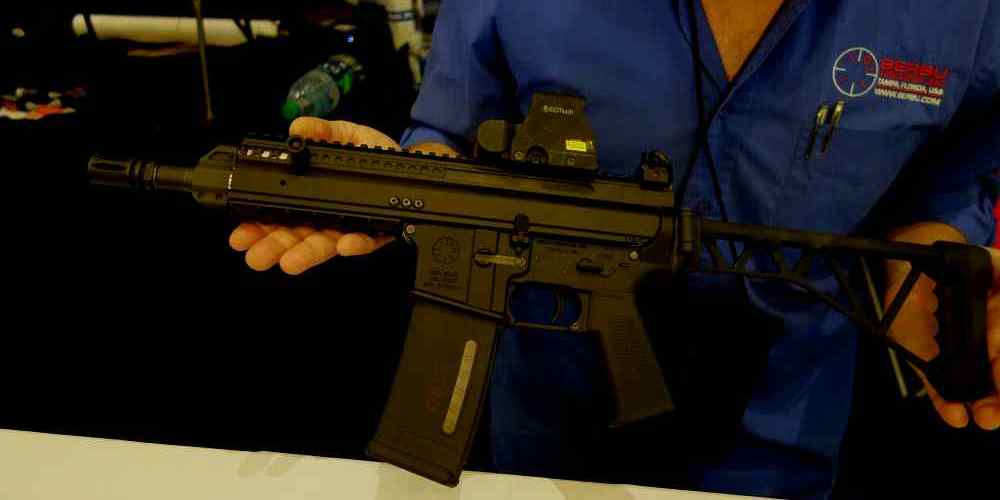
When AR-15 owners talk about accuracy, the conversation usually goes straight to barrels, triggers, optics, and ammunition. Those parts matter, but there’s one build mistake that can quietly sabotage precision before a single round is ever fired: improper alignment and tension at the receiver-to-barrel interface, especially when the upper is assembled carelessly or the barrel nut setup is off. A rifle can look perfectly finished on the bench and still be fighting itself mechanically the moment you shoulder it. For shooters who care about dependable performance—whether for hunting, training, competition, or home defense—getting the foundation right is every bit as important as choosing quality parts.
In the AR-15 platform, accuracy starts with consistency. The rifle was designed around modularity, but modular does not mean forgiving of sloppy assembly. A misaligned barrel extension, uneven barrel nut torque, a gas system under stress, or an optic mounted on a receiver that isn’t paired with a stable front end can all introduce subtle problems that show up as inconsistent groups. The frustrating part is that many of these issues don’t announce themselves with a dramatic failure; they simply erode precision and reliability over time. That’s why careful build habits matter just as much as premium components.

For responsible gun owners, the goal is not just to make a rifle run, but to make it run safely, predictably, and accurately. That starts long before you head to the range. Understanding the most common build errors—and how to recognize them early—can save time, money, and frustration, while also helping you maintain the standard of safe firearm ownership that every serious shooter should expect of themselves.
The Build Mistake That Hurts Accuracy Early
The biggest accuracy-killing mistake in an AR-15 build is poor barrel installation, usually caused by improper barrel nut torque, uneven fit, or failure to ensure the barrel extension seats cleanly and consistently in the upper receiver. The AR platform depends on the barrel being anchored in a repeatable position. If the barrel is stressed by over-torquing, under-torquing, or a canted fit, the harmonics of the rifle change and point of impact can wander. Even if the rifle functions, it may never shoot as tightly as it should.
This issue has roots in the way the AR-15 was engineered. Eugene Stoner’s original design emphasized straight-line recoil and modular assembly, but that modularity demands attention to detail. A properly installed barrel nut should clamp the barrel without distorting the system. When builders rush the process, skip proper lubrication, or tighten components without following a sensible torque pattern, they can create minute misalignment that translates into visible spread on target. On a rifle built for accuracy, tiny mechanical inconsistencies matter more than many new builders realize.
Other parts of the build can magnify the problem. If the handguard puts pressure on the barrel, if the gas tube is binding because the barrel nut is clocked poorly, or if the optic is mounted on a setup that shifts under recoil, the rifle will never deliver its best potential. These are not cosmetic flaws; they are mechanical stress points. In practical terms, a well-made barrel and good ammunition cannot fully overcome a bad foundation, which is why experienced builders treat the upper receiver assembly as the heart of the accuracy system.
How to Spot It Before You Fire a Round
The good news is that many of these problems can be identified before live fire. Start with a careful visual inspection of the assembled upper. The barrel should seat fully and squarely in the receiver, the handguard should not contact the barrel, and the gas tube should move freely through the carrier key path without rubbing or binding. If anything looks forced, misaligned, or uneven, stop and correct it before firing. A rifle should not require pressure from the handguard or odd contact points to function correctly.
Next, check the build for mechanical consistency. Confirm that the barrel nut is properly torqued according to the manufacturer’s guidance, and verify that the gas system and muzzle device are installed without introducing stress. Make sure the optic is mounted securely and that the mount bridges only surfaces intended for that purpose. If the rail or upper receiver shows obvious gaps, uneven seating, or shifting under hand pressure, that is a warning sign. For precision-oriented rifles especially, these small checks can reveal a problem long before the first shot.
Finally, use a disciplined test process once you do reach the range. Start with safe, controlled function checks and a few slow shots rather than assuming the rifle is sound because it cycles. Watch for strange point-of-impact shifts, erratic groups, or inconsistent zero retention. If the rifle is behaving unpredictably, revisit the assembly before blaming ammunition or optics. A quality AR-15 build should inspire confidence from the first inspection onward, and the habits that catch problems early are the same habits that support safe, responsible ownership over the long term.
The AR-15 is one of the most versatile rifles ever adopted by American shooters, but its performance depends heavily on how carefully it is assembled. The mistake that ruins accuracy before you even shoot is usually not dramatic—it’s the quiet consequence of a barrel system installed with too much force, too little care, or no attention to alignment. That kind of error can turn a promising build into a frustrating one, and it’s often preventable with patience and proper procedure.
For gun owners, hunters, and defensive shooters alike, the lesson is simple: accuracy begins with the foundation. Take time to inspect the receiver, barrel, handguard, and gas system before ever loading a magazine. Follow the manufacturer’s instructions, use the right tools, and don’t be afraid to pause and correct a problem rather than hoping it will “shoot in.” Responsible firearm ownership includes building and maintaining your rifle with the same discipline you bring to the range.
When the foundation is right, everything else becomes easier. The rifle zeroes more predictably, groups tighten, and confidence grows because the platform is doing what it was meant to do. A careful build is not just about better performance—it’s about safety, reliability, and respect for the tool itself.